
Hegseth visits Guantanamo as US-Cuba tensions escalate
 2 Min Read
US Secretary of War Pete Hegseth visits Guantanamo Bay amid heightened tensions with Cuba, tougher sanctions on Havana, and growing concerns over future US policy.
-
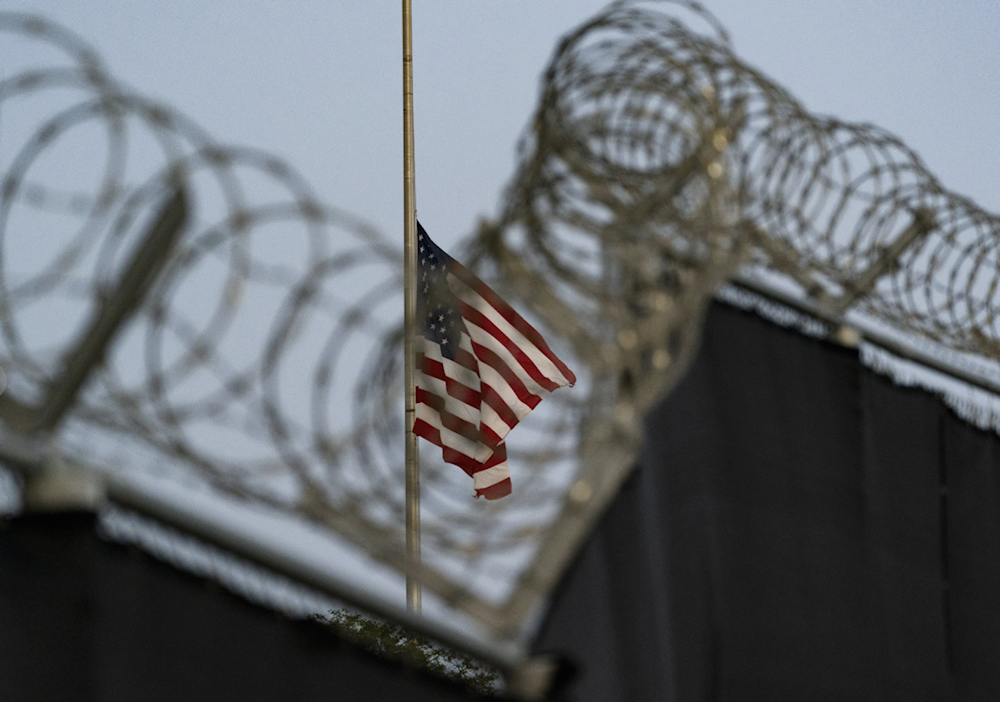
In this Aug. 29, 2021, file photo reviewed by U.S. military officials, a flag flies at half-staff as seen from Camp Justice in Guantanamo Bay Naval Base, Cuba. (AP)
US Secretary of War Pete Hegseth visited the US naval base at Guantanamo Bay Naval Base on Wednesday, as tensions between Washington and Havana continue to mount amid expanding sanctions and growing pressure on Cuba.
According to the Pentagon, Hegseth is scheduled to meet military personnel stationed at the base as well as members of United States Central Command before continuing his trip to Florida.
Visit follows rare US-Cuban military contacts
The visit comes just days after the commander of United States Southern Command, General Francis Donovan, traveled to Guantanamo Bay and held a rare meeting with senior Cuban military officials near the base.
Donovan discussed operational security matters briefly with a Cuban delegation that included Cuban General Roberto Legra Sotolongo, first deputy minister and chief of the General Staff, according to US Southern Command statements posted on X.
Donovan’s meeting in Cuba marks the first visit in recent memory by a head of US Southern Command. The engagement comes amid heightened concerns in Cuba over a possible US military attack on the island, according to regional assessments.
Guantanamo's strategic role
The Pentagon described Guantanamo Bay as a key logistical and operational hub supporting US imperialism and aggression across the Western Hemisphere.
The naval base, located in southeastern Cuba, has remained under US control since 1903 under a lease agreement signed following the Spanish-American War. Cuba has consistently rejected the continued US presence at the site and considers the territory occupied.
The remarks come as the Trump administration continues to tighten sanctions on Cuba, including measures targeting fuel supplies, which have contributed to severe energy shortages and deepened the country's economic crisis.


