
IAEA reports manufacturing basis for war, Iran's Baghaei says
 2 Min Read
The Iranian Foreign Ministry spokesperson warns that IAEA reports are actively blurring the line between nuclear oversight and justification for military action.
-
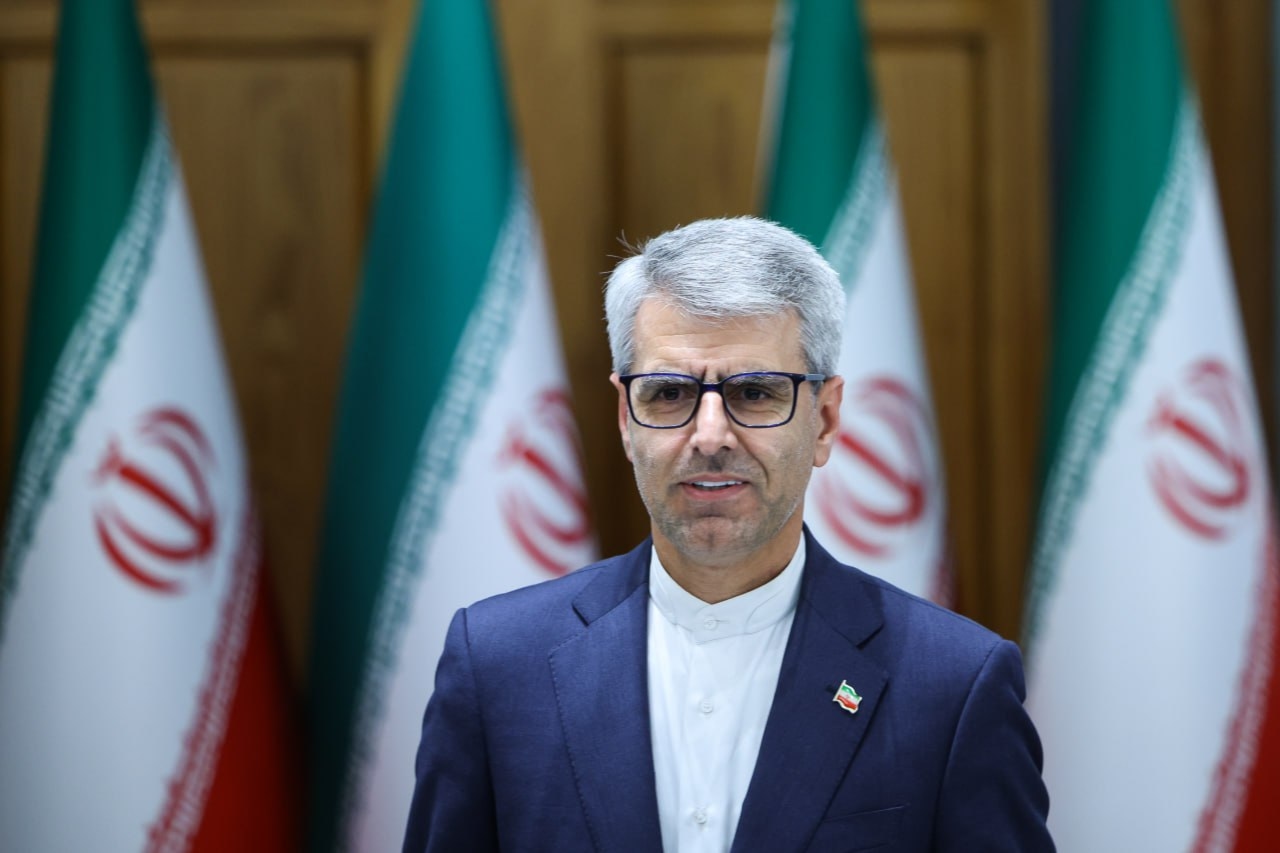
Photo published on July 17, 2025, of Iran's Foreign Ministry spokesperson Esmail Baghaei standing in front of flags of the Islamic Republic (X/@IRIMFA_SPOX)
Reports issued by the International Atomic Energy Agency (IAEA) have turned into raw material for narratives portraying Iran as a threat, Iranian Foreign Ministry spokesperson Esmaeil Baghaei said Friday.
According to Baghaei, IAEA Director General Rafael Grossi has effectively turned the agency into a link in a chain connecting technical reports to political justification and, ultimately, war.
The agency’s reports, he added, have become a “basis for building a case against a country,” warning that the distinction between technical oversight and laying the groundwork for military aggression is becoming dangerously blurred.
Baghaei further stressed that an institution entrusted with contributing to international peace and security “should not become part of the mechanism used to fabricate a pretext for war.”
IAEA refers Iran nuclear file to UNSC
His remarks came after the agency's Board of Governors voted to refer Iran's nuclear file to the United Nations Security Council, alleging that Tehran had failed to comply with its nuclear obligations.
The resolution was adopted with 23 votes in favor and eight abstentions, while Russia, China, and Niger voted against it.
Iran slams the 'politically motivated' vote
In response, Iran's mission slammed the decision as biased and politically motivated. Iran's representative in Vienna, Reza Najafi, said that the circumstances resulting from US and Israeli attacks had made the practical implementation of Tehran's safeguards-related obligations impossible.
He also described the US-sponsored draft resolution as a political and misleading instrument that disregards the attacks on Iran's nuclear facilities to exert pressure on the country and force it into submission.
For his part, Iranian Deputy Foreign Minister Kazem Gharibabadi stressed that Western parties had attacked nuclear facilities subject to safeguards and disrupted the normal verification process, before using that very disruption as a pretext to secure the resolution at the IAEA Board of Governors.
Gharibabadi stressed that these parties could not compensate for the failure of their policies and actions by creating an artificial atmosphere, maintaining that no outcome against Iran could be achieved at the UN Security Council.


