
IEA warns prolonged Hormuz disruption could affect oil, gas markets
 3 Min Read
The IEA warns global oil and gas supplies could face growing risks if flows through the Strait of Hormuz fail to improve as US-Iran tensions escalate.
-
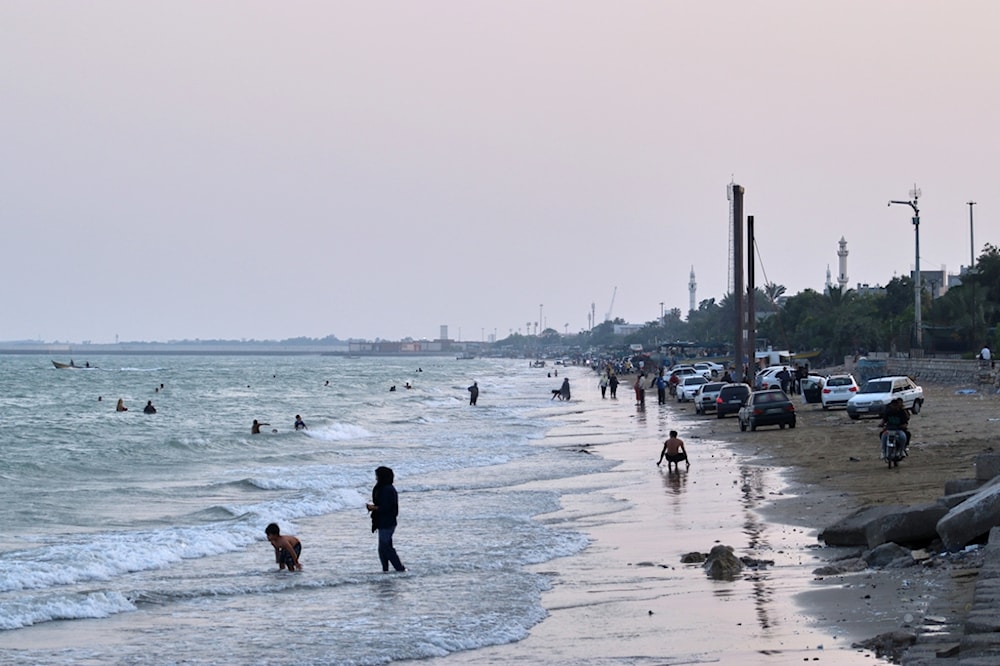
People swim and spend time along the shore of the Strait of Hormuz, off Bandar Abbas, Iran, Sunday, July 12, 2026 (ISNA)
The International Energy Agency (IEA) warned on Thursday that global oil and gas markets could face mounting risks if the flow of energy shipments through the Strait of Hormuz does not improve in the coming weeks.
"We should be concerned about oil and gas if their flows through the Strait of Hormuz do not improve over the coming weeks," the agency said, highlighting growing uncertainty surrounding one of the world's most strategic energy chokepoints.
The warning comes as regional tensions continue to escalate following US aggression on Iran, which has targeted military installations and civilian infrastructure across the country in recent days.
Iranian officials have repeatedly warned that any continued US aggression would be met with retaliation, while senior military and political figures have stressed that Tehran will not allow Washington to impose its will in the Strait of Hormuz. Iranian officials have also warned that the waterway could become a focal point of confrontation if the conflict expands.
Energy markets shrouded with uncertainty
An analysis published by the Atlantic Council argues that escalating tensions surrounding the Strait of Hormuz are likely to prolong uncertainty in global energy markets, while criticizing the Trump administration's war on Iran.
Written by David L. Goldwyn and Andrea Clabough, the opinion piece contends that the breakdown of a ceasefire and the absence of a lasting political settlement have left the strategic waterway at the center of an increasingly volatile regional standoff.
The authors argue that repeated cycles of military escalation followed by negotiations have failed to produce a durable resolution, leaving oil markets vulnerable to renewed disruptions.
According to the analysis, energy producers and consumers should no longer expect a return to what the authors describe as "normal" market conditions, warning that instability in the Strait of Hormuz could persist for the foreseeable future.
Strait of Hormuz remains central to regional confrontation
The Atlantic Council analysis argues that the Strait of Hormuz will remain a principal point of friction as long as regional tensions persist.
The authors contend that renewed US naval measures and continued attacks on Iran risk increasing pressure on commercial shipping and energy exports.
The article also argues that any expansion of the confrontation to additional maritime routes, including the Bab al-Mandab Strait, where Ansar Allah has previously carried out operations in support of the Palestinian people throughout the war on Gaza, could place further strain on international energy markets.
The authors conclude that regional energy producers are increasingly investing in alternative export routes because they do not anticipate a durable political solution in the near future.


