
Inflation surges, US growth slows as Iran war pressures Trump economy
 3 Min Read
US inflation accelerated in April while economic growth slowed, as rising energy costs linked to the Iran war deepen pressure on President Donald Trump ahead of midterm elections.
-
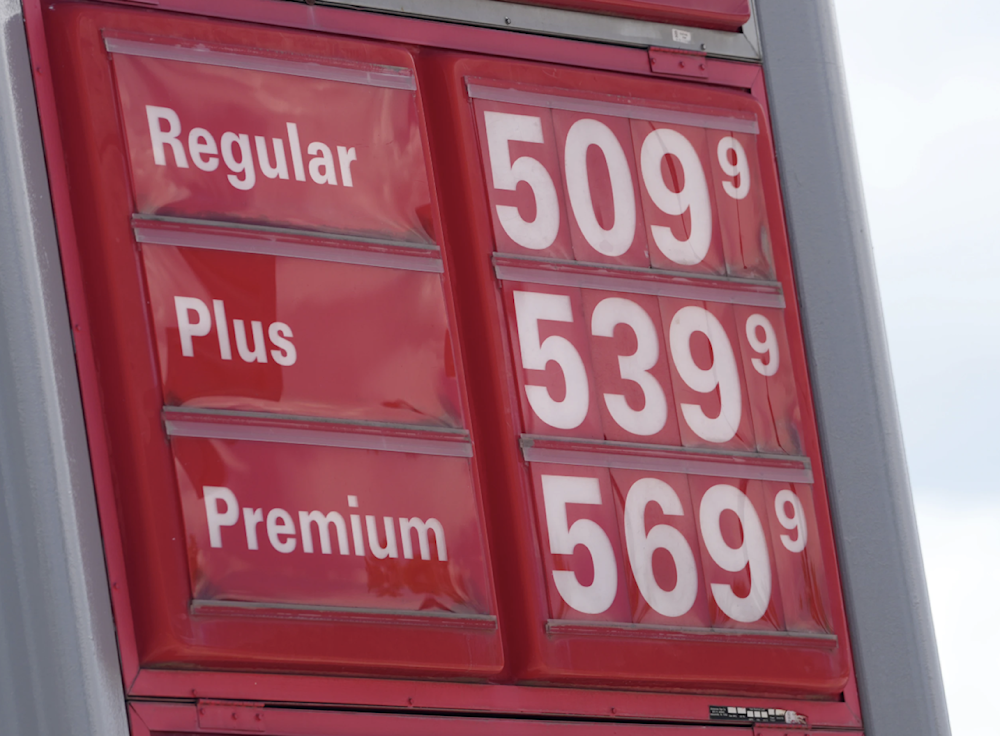
The per-gallon prices for the various grades of gasoline available at a gas station are displayed on a sign above the pumps, Sunday, May 24, 2026, in southeast Denver. (AP)
Rising inflation and slowing economic growth are adding new pressure on US President Donald Trump’s administration as the economic fallout from the war on Iran continues to weigh on US consumers and financial markets.
New data released on Thursday by the Commerce Department showed that the personal consumption expenditures index (PCE), the Federal Reserve’s preferred inflation measure, rose at an annual rate of 3.8% in April, marking the highest level since Trump returned to office. The increase was largely driven by surging energy prices linked to the US-Israeli war on Iran.
Core PCE, which excludes volatile food and energy prices, climbed at an annual rate of 3.3%, while the department also revised first-quarter US economic growth downward to 1.6% from a previous estimate of 2%.
Although the monthly inflation figures came in slightly below economists’ expectations, analysts warned that price pressures remain deeply entrenched.
“I would not take much solace from today’s result,” Omair Sharif of Inflation Insights said in a note to clients. “Core inflation is likely to be firmer next month, and risks to the upside from the lagged impact of the energy surge remain in place.”
Energy costs and debt concerns weigh on economy
The worsening economic outlook comes as fuel prices across the US remain elevated due to the war on Iran, with gasoline prices staying above $4 per gallon for weeks, according to AAA.
At the same time, yields on long-term government debt and mortgage rates have continued climbing as investors react to persistent inflation, rising energy costs, and growing concerns over expanding US government debt.
Despite the mounting pressures, several major economic indicators remain relatively strong. Unemployment levels remain low, stock markets continue posting gains, and major corporations have broadly exceeded Wall Street expectations in recent earnings reports. Still, public confidence in the economy has deteriorated sharply.
The Conference Board reported this week that consumer confidence weakened further as inflation linked to the war on Iran continued to affect household spending expectations. Meanwhile, the University of Michigan’s closely watched consumer sentiment survey showed confidence falling to a record low, dipping below levels seen during the COVID-19 pandemic and the post-pandemic inflation crisis.
Democrats target Trump over economic strain
The economic slowdown is increasingly becoming a central issue ahead of the upcoming midterm elections, with Democrats accusing Trump and Republicans of failing to address the rising cost of living.
“Americans are struggling, but Trump and Republicans in Washington can’t be bothered to help,” Representative Brendan Boyle said following the release of the inflation report.
“Unless you can cut a check for his ballroom, Trump clearly couldn’t care less about you," Boyle added.


