
Iran, Oman agree on framework for Strait of Hormuz navigation
 3 Min Read
Tehran and Muscat outline a phased plan for Hormuz navigation, including a temporary maritime corridor, mine clearance, and talks on permanent arrangements.
-
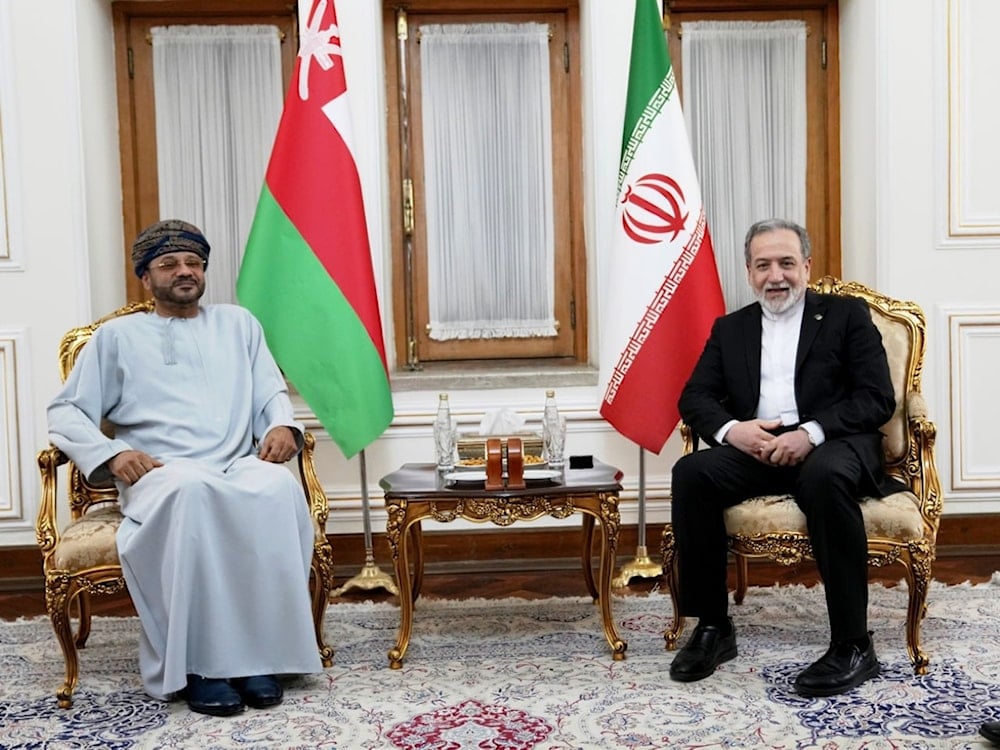
In this photo released by the Iranian Foreign Ministry, Foreign Minister Abbas Araghchi, right, meets his Omani counterpart, Badr al-Busaidi in Tehran, Iran, Tuesday, Aug. 25, 2026. (Iran's Foreign Ministry, via AP)
Iran and Oman have agreed on a phased framework that could provide a practical and implementable basis for maritime navigation through the Strait of Hormuz, according to a joint statement issued by the two countries.
The framework includes establishing a temporary joint maritime navigation corridor through the strategic waterway, alongside measures aimed at ensuring safe maritime traffic.
The agreement comes as Tehran and Muscat pursue regional mechanisms for managing navigation and security in the Strait of Hormuz, one of the world’s most strategically significant maritime passages.
#بيـان_مشترك بين سلطنة عُمان والجمهورية الإسلامية الإيرانية ، حول المشاورات بين وزيري خارجية سلطنة عُمان والجمهورية الإسلامية الإيرانية.
— وزارة الخارجية (@FMofOman) August 25, 2026
قام معالي السيد بدر بن حمد بن حمود البوسعيدي، وزير الخارجية، بزيارة عمل إلى الجمهورية الإسلامية الإيرانية، أجرى خلالها مشاورات بنّاءة مع… pic.twitter.com/FMG2mQ79R1
Iran, Oman agree on temporary Hormuz navigation corridor
Under the proposed framework, Iran and Oman will establish a temporary joint maritime navigation corridor through the Strait of Hormuz.
The two sides said the framework is intended to provide a practical basis for navigation while technical negotiations continue on longer-term arrangements governing maritime traffic through the strait.
The agreement places Iran and Oman at the center of efforts to develop mechanisms for navigation and security in the waterway, which connects the Persian Gulf with the Gulf of Oman.
Read more: Iranian officials tell Pakistan army chief US failed to honor MoU
Joint mine-clearing project included in framework
The framework also includes an agreement to implement a joint project to clear mines from the Strait of Hormuz.
Mine clearance forms part of the measures envisaged by the two sides to facilitate maritime navigation and address potential threats to shipping in the strategic waterway.
The joint project will require further technical coordination between Iranian and Omani authorities as the two countries work to implement the framework.
Talks to address permanent navigation and strait management
Technical negotiations between Tehran and Muscat will continue with the aim of reaching an agreement on a permanent maritime navigation corridor and arrangements for the future management of the strait.
The two sides will also continue discussions on mechanisms for information exchange, traffic management, and the provision of maritime and security services.
The negotiations are expected to continue until an agreement is reached on these mechanisms.
The phased approach allows the two countries to establish interim arrangements while continuing talks on a longer-term framework for navigation and management.
Tehran, Muscat call for regional dialogue
Iran and Oman also stressed the importance of holding joint dialogues with countries in the region bordering the Gulf waters.
"Both sides affirmed the importance of holding joint discussions with the Gulf littoral states," the statement read. "They also emphasized the necessity of adhering to the provisions of international law and respecting the sovereign rights of coastal states."
The emphasis on regional dialogue reflects the two countries’ stated interest in addressing maritime security and navigation through cooperation among the states directly connected to the region.
The Strait of Hormuz remains a critical maritime passage, making arrangements concerning navigation, security, and traffic management a matter of direct importance to the countries of the Gulf region.
The Iranian-Omani framework therefore places regional states at the center of discussions over the waterway and its future navigation arrangements.
Read more: Iran conveys Hormuz conditions to US via Pakistani mediator: Tasnim


