
Iran, Oman launch talks on Strait of Hormuz management
 4 Min Read
Iran and Oman launch talks on the management of the Strait of Hormuz, forming a joint committee to discuss navigation services, security, and future governance.
-
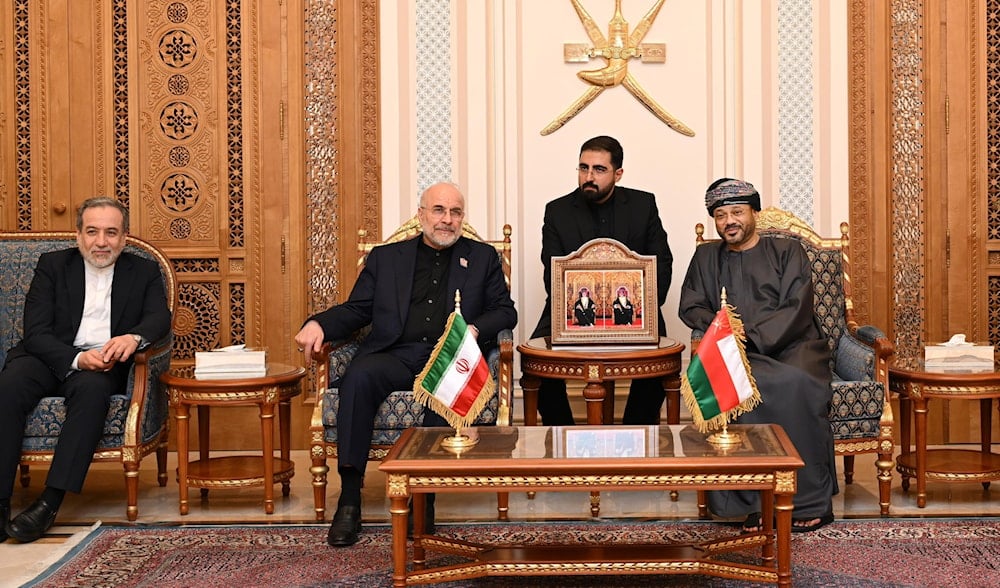
Iranian Foreign Minister Abbas Araghchi and Parliament Speaker Mohammad Bagher Ghalibaf meet with Omani Foreign Minister Badr al Busaidi in Muscat, Sultanate of Oman, June 22, 2026 (X/ @FMofOman)
Iran and Oman have agreed to launch a bilateral dialogue to determine the future management and maritime services of the strategic Strait of Hormuz, following a high-level diplomatic exchange.
Iranian Foreign Minister Abbas Araghchi confirmed the development after a telephone conversation with his Omani counterpart, Badr al-Busaidi. Araghchi stated that Tehran is determined to move forward with the process, emphasizing that the future of the waterway's administration and services will be shaped through consultation with neighboring states.
Iran is proceeding with this path in coordination and consultation with regional neighbors, Araghchi said, reaffirming the country's commitment to strengthening regional cooperation on navigation safety and the security of vital maritime corridors.
The announcement comes on the heels of a two-hour meeting in Muscat between an Iranian delegation and Omani officials. The Iranian team, which arrived in Oman on Monday evening following a diplomatic stop in Switzerland, was led by Parliament Speaker Mohammad Bagher Ghalibaf.
Discussions centered on enhancing bilateral ties between Tehran and Muscat, with future arrangements for the Strait of Hormuz management emerging as the core agenda item.
In a joint statement issued after a meeting between Sultan Haitham bin Tarik and the Iranian delegation on Tuesday, both nations agreed to continue addressing the strait's management file by establishing a joint committee comprising their respective foreign ministries. The committee's mandate is to reach a mutual understanding on future navigation management in the strait, including associated services and costs, in line with international standards.
Qatar sets out to establish new talks on Strait of Hormuz governance
Qatari Prime Minister Sheikh Mohammed bin Abdulrahman Al Thani arrived in Muscat on Wednesday for discussions with Omani officials on launching a fresh round of multilateral negotiations over the future of the Strait of Hormuz, involving Iran, Iraq, and Gulf Arab states, Reuters reported, citing a diplomat briefed on the matter.
The diplomat, speaking on condition of anonymity, said the proposed talks are distinct from ongoing US-Iran peace negotiations and existing de-mining arrangements. During the upcoming dialogue, Gulf states are expected to advocate for the abolition of transit fees through the strategic waterway, while Iran may put forward alternative charges linked to environmental protection, navigation safety, and security services, the diplomat added.
The initiative appears to operationalize a clause from a memorandum of understanding signed last week, which stipulates that Iran engage in discussions with Oman, other Gulf Cooperation Council members, and Iraq on the future governance of navigation and maritime services in the strait. Pakistan has been proposed as a mediator for the negotiations, according to the diplomat.
Separately, the diplomat confirmed plans for broader regional reconciliation talks to be hosted in Riyadh, with participation from Iran, Gulf Arab states, and potentially other countries in the region.
Iran, Oman agree on joint Strait of Hormuz navigation committee
Iran and Oman agreed on June 23 to establish a joint committee to discuss future navigation management in the Strait of Hormuz, following high-level talks in Muscat that also covered ongoing Tehran-Washington negotiations.
Sultan Haitham bin Tariq met with Iranian officials at Al Baraka Palace, where he voiced support for the Iran-US talks and expressed hope for a peaceful resolution to outstanding issues, including those related to Iran's nuclear program.
In a joint statement, both countries affirmed that all strait-related arrangements must respect the sovereignty and rights of the two coastal states under international law. Oman also reiterated its backing for the US-Iran memorandum of understanding and stressed the importance of continued dialogue.
The two sides agreed to form a joint foreign ministry committee to reach an understanding on navigation management, services, and costs per international standards, while pledging consultations with other regional states.
Both nations reaffirmed their commitment to keeping the Strait safe and open for international navigation, and emphasized sustained cooperation for maritime safety, freedom of navigation, and regional stability.


