
Iran neither optimistic nor pessimistic on US talks in Istanbul
 4 Min Read
Iran says it is neither optimistic nor pessimistic about US talks in Istanbul, stressing that its defensive capabilities are non-negotiable.
-
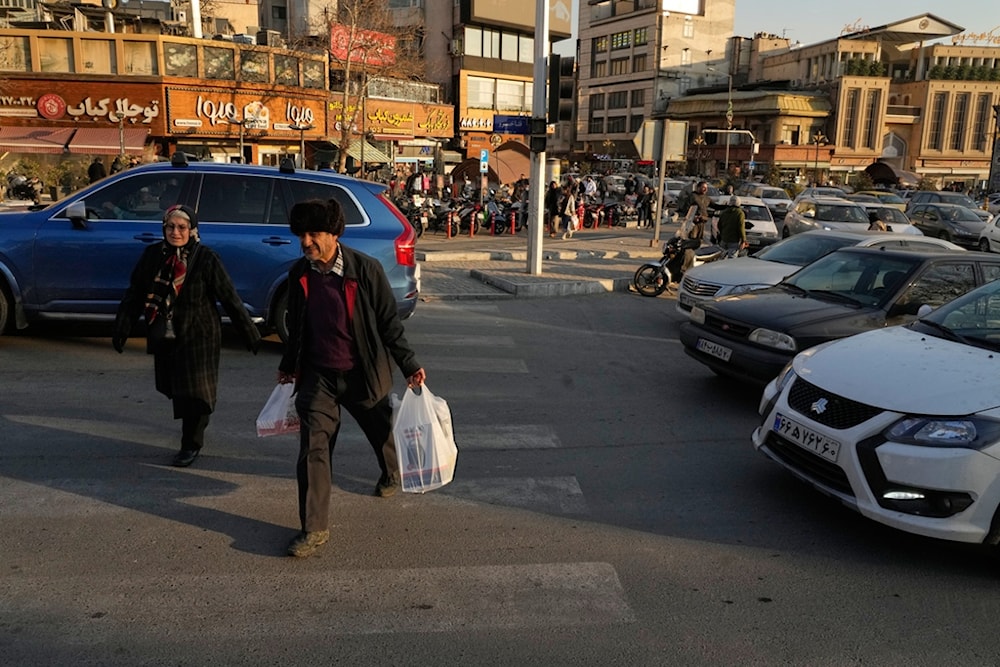
People walk at Tajrish Square in northern Tehran, Iran, Tuesday, January 27, 2026 (AP)
Iran is “neither optimistic nor pessimistic” about upcoming talks with the United States in Istanbul, an Iranian diplomatic source told Reuters on Tuesday, stressing that the meeting will test Washington’s seriousness.
Speaking ahead of the talks, the source said the Istanbul meeting would demonstrate whether the US “intends to conduct serious and result-oriented negotiations,” amid continued regional tensions and stalled diplomatic efforts.
The diplomatic source added that Tehran is currently at its “maximum defensive readiness” and is prepared for any scenario, underscoring that Iran’s defensive capabilities are non-negotiable under any circumstances.
Iran has repeatedly said its ballistic missile program is a central pillar of its national defense doctrine, framing it as essential for deterrence and security rather than a subject for negotiations.
Several regional powers to participate
Separately, a regional official told Reuters that the primary objective of this week’s talks between Iran and the US is to “avoid any conflict and reduce tensions between the two sides.”
The official said that a number of regional powers have also been invited to take part in the discussions, indicating a broader diplomatic framework aimed at de-escalation.
According to the source, countries invited to participate at the level of foreign ministers include Pakistan, Saudi Arabia, Qatar, Egypt, Oman, and the United Arab Emirates.
The regional official added that the format of the talks has not yet been finalized, but that the “main meeting” is expected to take place on Friday. He stressed that initiating dialogue between Tehran and Washington is critical to preventing further escalation.
Iran signals conditional openness to talks
Iranian President Masoud Pezeshkian said earlier this morning he has instructed Foreign Minister Abbas Araghchi to explore negotiations with the United States, responding to requests from “friendly governments in the region” following a proposal by the US president.
In a statement posted on X, Pezeshkian said the move comes after an initiative put forward by US President Donald Trump, stressing that any talks would be strictly conditional and subject to Iran’s national interests.
“I have instructed my Minister of Foreign Affairs, provided that a suitable environment exists—one free from threats and unreasonable expectations—to pursue fair and equitable negotiations, guided by the principles of dignity, prudence, and expediency,” Pezeshkian wrote.
Iran and the United States have remained without formal diplomatic relations for decades, with negotiations over Iran’s nuclear program repeatedly stalling amid disputes over sanctions, regional policies, and security guarantees. Pezeshkian’s remarks suggest Tehran is seeking assurances that any renewed talks would not be conducted under pressure or coercive demands.
US threats escalate
The comments come amid heightened regional tensions amid US threats to launch an aggression against Iran earlier this month. According to AFP, Saudi Arabia, Qatar, and Oman mounted a coordinated diplomatic effort on January 15 to dissuade US President Donald Trump from authorizing military strikes, warning that such an attack could trigger uncontrollable regional repercussions given the concentration of US military bases and strategic assets across the Gulf.
On the same day, diplomatic sources in Tehran told Al Mayadeen that a friendly regional party had informed Iran that Washington had reversed course on plans for military action following a reassessment of security and military risks, including the potential consequences of a large-scale strike and an evaluation of internal conditions inside Iran. Despite this reported pullback, Iranian authorities said they remained on full alert while keeping diplomatic channels open.
On January 18, Iranian President Masoud Pezeshkian warned that any aggression against the Leader of the Islamic Revolution would amount to an all-out war against the Iranian nation, reinforcing it as a central red line within Iran’s deterrence doctrine.


