
Iran official warns response to aggression will extend beyond Gulf
 3 Min Read
Iran says any future US-Israeli attack will trigger a wider response as reports emerge of possible strikes targeting the country's energy infrastructure.
-
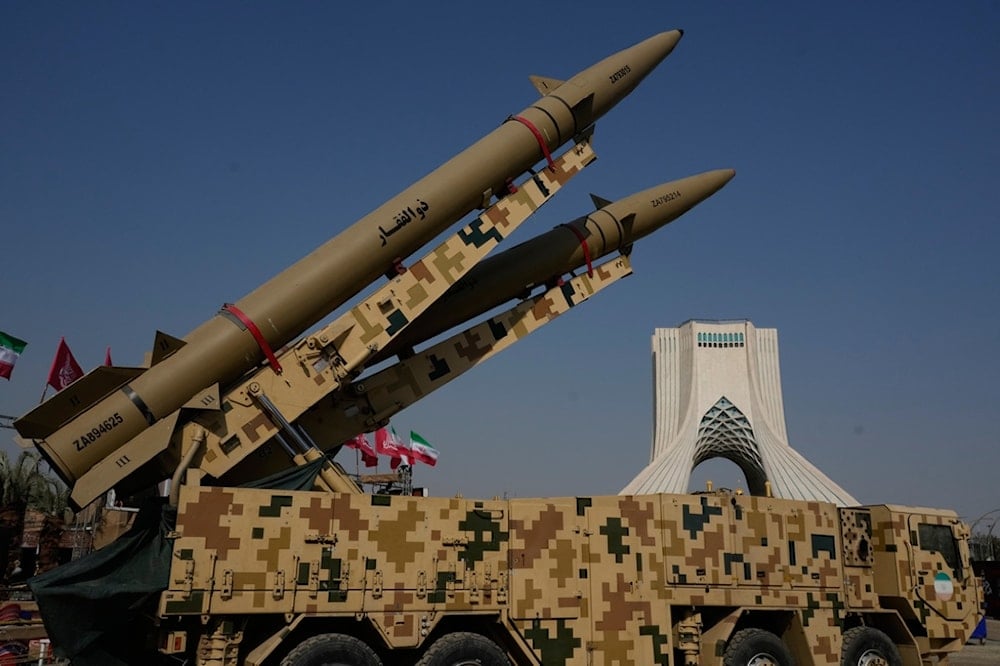
Iran's Zolfaghar and Zolfaghar Bassir missiles are displayed by the armed forces in a temporary exhibition in front of the Azadi (Freedom) monument in Tehran, Iran, Wednesday, July 29, 2026. (AP Photo/Vahid Salemi)
The spokesperson for the National Security and Foreign Policy Committee of Iran's Parliament, Ebrahim Rezaei, stated on Saturday that Iran's response will go beyond the limits of the Gulf region.
"Our response to any potential enemy attack will not be limited to the Persian Gulf region," he said in a post on X. "We will respond to all enemy bases and to the origin of the attacks from anywhere."
پاسخ به حمله احتمالی دشمن محدود به حوزه خلیج فارس نخواهد بود، به همه پایگاههای دشمن و به مبدا حملات از هر جایی پاسخ میدهیم.
— ابراهیم رضایی (@EbrahimRezaei14) August 1, 2026
Rezaei's statement comes as reports are circulating about an imminent joint US-Israeli bombing campaign against energy infrastructure in Iran.
CBS News reported that if approved, the operation would mark one of the harshest aggressions to date against Iranian power plants and refineries.
Officials told the outlet that discussions were held about trying to conclude the strikes by the time financial markets open on Monday due to concerns over economic disruption.
The reported plans come after months of US military aggression on Iran, which has been accompanied by repeated Israeli attacks and reciprocal Iranian operations targeting US military positions and strategic assets linked to the occupation.
Read more: New drone types deployed, unveiling to follow soon: Iran Army spox
Allies voice concern over prolonged war on Iran
In a related development, Washington's allies have grown increasingly anxious over the war on Iran's seemingly open-ended schedule.
Initially, US officials stated that the war on Iran would last a few days to a few weeks at best, but these promises turned out to be false as the war turned into a months-long campaign, crushing US credibility and claims of protecting regional security.
"For US allies and those who rely on the US for security, this is confirmation that you can't trust the United States." Robin Niblett, a former director of Chatham House, told The New York Times.
Even if Iran collapses, he added, "people won't forget that their security and their future were dragged into question by an unpredictable and wavering US foreign policy."
Iran calls for Islamic unity against regional aggression
As the threat of further military escalation grows, Tehran has renewed calls for greater coordination among Muslim countries in confronting Israeli aggression and foreign intervention across the region.
Iranian Foreign Ministry spokesperson Esmaeil Baghaei recently stressed that Islamic countries must adopt a united position against the Israeli occupation's continued violations and the broader destabilization affecting West Asia.
إيران أمةٌ ذاتُ حضارةٍ عريقةٍ تمتدُّ لآلاف السنين، اعتنقت الإسلام، ثم أصبحت في القرون اللاحقة إحدى أهم الركائز التي أسهمت في قيام الحضارة الإسلامية وازدهارها؛ من الفقه والحديث إلى الفلسفة والطب والرياضيات والأدب. غير أنَّ معيار التفاضل في الإسلام ليس اللغة العربية، ولا الانتماء…
— Esmaeil Baqaei (@IRIMFA_SPOX) August 1, 2026
He emphasized that regional solidarity is essential to preventing further aggression and safeguarding the legitimate rights of the Palestinian people.
Baghaei also reiterated that collective regional action is necessary to counter attempts to impose new realities through military force, warning that continued inaction would only encourage further escalation.


