
Iran refutes claims of transferring enriched nuclear materials abroad
 3 Min Read
Iran reiterates its commitment to uranium enrichment during Geneva talks with the US, stressing sanctions relief and refuting uranium transfer claims.
-
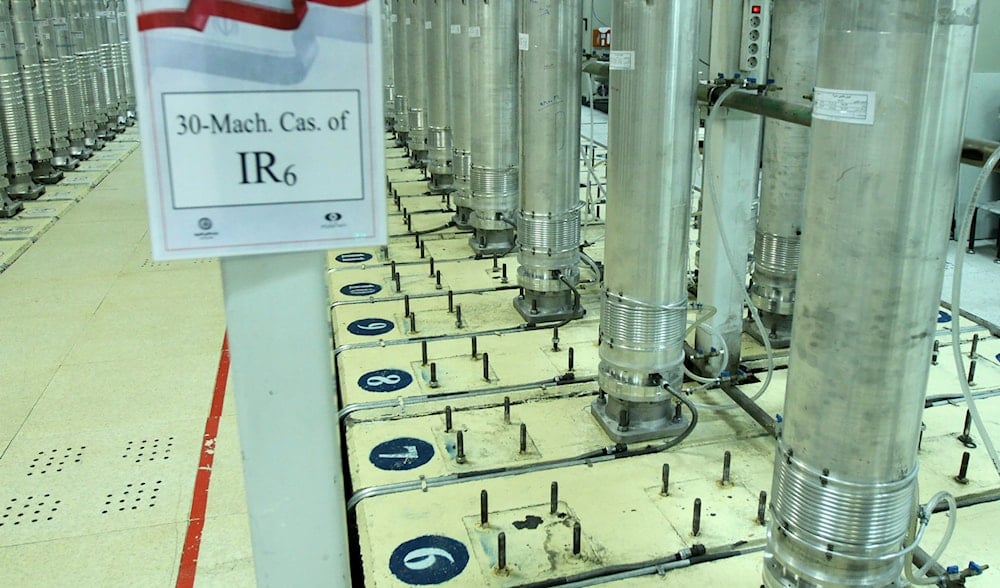
This photo released on Nov. 5, 2019, by the Atomic Energy Organization of Iran shows centrifuge machines in the Natanz uranium enrichment facility in central Iran (AP)
Iran will not abandon its principle of uranium enrichment, stated Ibrahim Azizi, Chairman of the Iranian Parliament’s National Security and Foreign Policy Committee of the Shura Council.
Speaking on the Iranian delegation’s proposal submitted in Geneva on Thursday, Azizi emphasized that all of Iran’s red lines were fully respected in the proposed plan.
He added that Iran has put forward constructive suggestions aimed at removing pretexts from the other side, noting that the proposal also addresses issues related to the lifting of sanctions, foreign investments, and the utilization of economic opportunities within Iran.
Azizi concluded that if the United States approaches the negotiations with rationality and seriousness, the Iranian proposal could lay the groundwork for a comprehensive agreement.
No direct talks, no plans to transfer uranium abroad: Iranian media
Meanwhile, Iranian state television categorically denied reports suggesting that the country plans to transfer enriched nuclear materials abroad, reaffirming that Iran retains the right to the peaceful use of nuclear energy and will maintain its nuclear fuel production capabilities.
The broadcasts highlighted that Iran is emphasizing the lifting of sanctions and the repeal of United Nations Security Council resolutions concerning the Islamic Republic during these talks, which are expected to continue for an additional one to two hours this evening.
Meanwhile, Tasnim News Agency reported that the meeting between Iran’s Foreign Minister Abbas Araghchi and US envoy Steve Witkoff followed standard diplomatic protocols similar to previous rounds of talks and was limited to a handshake and a brief initial greeting without any substantive discussions reported.
Third round of US-Iran talks enter second session
These developments closely follow the resumption of the second session of the third round of indirect talks between Iran and the United States, as confirmed by Iran’s state news agency IRNA. Both delegations arrived at the negotiations headquarters, with the Omani side maintaining a degree of optimism and positivity regarding the talks.
Al Mayadeen’s bureau chief in Geneva, Moussa Assi, reported that the current session is expected to last between two and three hours, with the possibility of extending into the following day if necessary. Western diplomatic sources told Al Mayadeen that a non-aggression pact is under consideration.
The Iranian delegation is reportedly showing considerable flexibility on the issue of uranium enrichment, a development described by the network’s Tehran correspondent as part of broader positive signals suggesting the talks are moving in the right direction.
The participation of International Atomic Energy Agency Director General Rafael Grossi in this round has also been described as significant, as it could allow for further coordination between the two delegations on technical nuclear matters.
However, a key sticking point remains, as Washington has yet to agree to a complete lifting of the sanctions imposed on Iran, a longstanding demand from Tehran in any potential agreement. Meanwhile, the United States imposed a fresh round of sanctions on Wednesday targeting Iranian oil sales and weapons networks.
Al Mayadeen’s Geneva bureau chief described the upcoming session as one of “extreme importance and difficulty,” underscoring that while the atmosphere is constructive, significant hurdles remain before any agreement can be reached.


