
Iran role in BRICS to promote 'genuine multilateralism': Gharibabadi
 3 Min Read
Iran’s deputy foreign minister says BRICS participation reflects a strategic shift toward multilateral cooperation and reform of global economic governance.
-
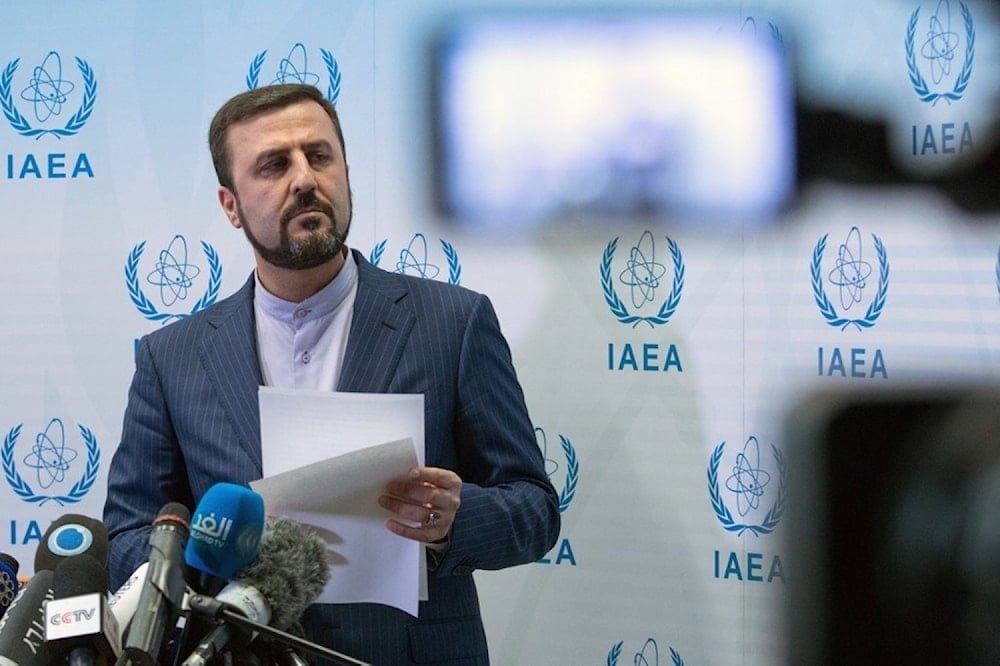
Iran's Ambassador and Permanent Representative to International Organizations in Vienna, Kazem Gharibabadi (Iranian media)
Iran’s Deputy Foreign Minister for Legal and International Affairs, Kazem Gharibabadi, has emphasized Iran’s participation in BRICS as part of a strategic shift toward strengthening multilateral cooperation and reshaping global governance structures.
In a post on X, Gharibabadi said Iran’s “active participation in mechanisms such as BRICS reflects a strategic choice to strengthen genuine multilateralism, expand equal cooperation, and take part in shaping a more just international relations system.”
He added that the BRICS Foreign Ministers’ meeting in New Delhi presents an opportunity for dialogue on expanding cooperation among Global South countries, reforming international economic governance, and advancing independent trade frameworks.
According to Gharibabadi, the discussions could also support efforts to strengthen financial and banking ties among member states while reducing reliance on “discriminatory and unilateral mechanisms.”
Iran’s role in BRICS cooperation
Gharibabadi argued that Iran’s geographic position, combined with its energy resources, transport networks, and scientific and human capital, positions it to play an active role within the BRICS framework, particularly in areas such as regional connectivity, economic stability, and balanced development.
He also reiterated criticism of US unilateral sanctions policies, saying opposition to such measures forms part of defending economic justice and the development rights of nations, which he described as being undermined by coercive restrictions.
According to Gharibabadi, BRICS’ influence would be strengthened if it evolves further into a platform grounded in mutual respect, equal partnership, and independent decision-making, while resisting what he called monopolistic practices and sanctions-based pressure.
He concluded by emphasizing that future global developments will be shaped by cooperation, justice, and expanded multilateral engagement.
دیروز و امروز نشست هماهنگ کنندگان ملی بریکس در دهلی نو برگزار شد و نشست وزرای امور خارجه نیز فردا و پس فردا برگزار خواهد شد.
— Gharibabadi (@Gharibabadi) May 13, 2026
حضور فعال جمهوری اسلامی ایران در سازوکارهایی مانند بریکس، بیانگر انتخابی راهبردی برای تقویت چندجانبهگرایی واقعی، گسترش همکاریهای برابر و مشارکت در شکل… pic.twitter.com/p8up3zkuDQ
US-Israeli war on Iran casts shadow on BRICS meetings in New Delhi
The US‑Israeli war on Iran is expected to dominate discussions at the BRICS foreign ministers meeting in New Delhi, placing pressure on the expanded bloc to find common ground on one of the world's most divisive geopolitical crises, with the sharpest disagreements reportedly emerging between Iran and the United Arab Emirates, which has aligned itself with the occupation and actively participated in the aggression against Tehran.
The two‑day gathering brings together foreign ministers and representatives from all BRICS member states, including Brazil, Russia, India, China, South Africa, Iran, Egypt, Ethiopia, Indonesia, and the United Arab Emirates. India, which holds the BRICS chairmanship for 2026, faces the difficult task of balancing competing interests within the group while attempting to secure a joint statement. Unlike many of its partners, New Delhi has cultivated close ties with both Washington and Tel Aviv, complicating its role as a neutral host.
The main differences have emerged between Iran and the United Arab Emirates, which stands on the side of the US‑Israeli aggression. The UAE has not only normalized relations with "Israel" but has also hosted American and Israeli military assets on its territory, including an Iron Dome battery with Israeli personnel. Reports have also emerged of UAE and Saudi military strikes conducted in coordination with the occupation regime.
Indian Foreign Ministry spokesperson Randhir Jaiswal had acknowledged earlier that some BRICS members were directly involved in the war, making it difficult to forge a unified position. Another Ministry official told Reuters that India remained hopeful of securing a joint declaration after the latest round of negotiations.


