
Iran sets conditions for vessel passage through Strait of Hormuz
 2 Min Read
Iran informs the IMO of new Strait of Hormuz transit rules, limiting passage to non-hostile vessels amid tensions linked to the US-"Israel" war on Iran.
-
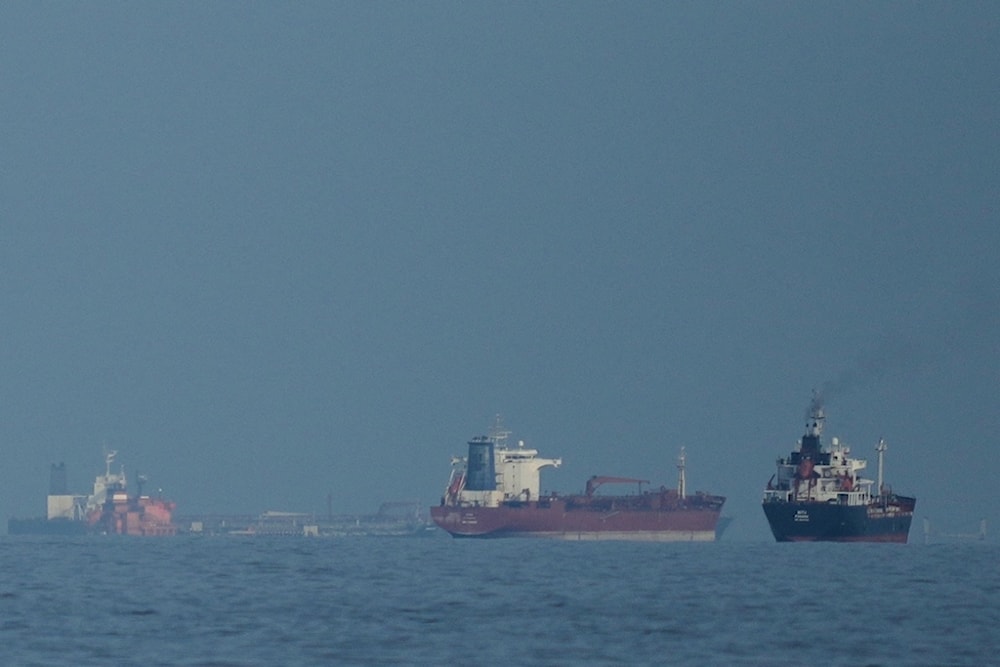
Oil tankers and cargo ships line up in the Strait of Hormuz as seen from Khor Fakkan, United Arab Emirates, Wednesday, March 11, 2026 (AP Photo/Altaf Qadri)
Iran has sent a letter to members of the International Maritime Organization outlining procedures required for vessels to pass through the Strait of Hormuz, the Financial Times reported, citing a communication from Iran’s Foreign Ministry.
According to the letter, Iran will allow only “non-hostile vessels” to transit the Strait of Hormuz, and solely “in coordination with Iranian authorities.”
The ministry stated that Iran has taken “necessary and proportionate measures to prevent aggressors and their supporters from exploiting the Strait of Hormuz to advance hostile operations.”
It added that vessels affiliated with the US, "Israel", or “other participants in the aggression” would not be granted the right to “innocent or non-hostile passage.”
Read more: IRGC turns back SELEN vessel in Strait of Hormuz over permit violation
Implications for global shipping
The Strait of Hormuz remains a critical maritime corridor, and Iran’s measures signal tighter regulation of vessel movement amid escalating tensions caused by the US-"Israel" aggression on Iran.
Recent developments indicate that the US-Israeli war on Iran has already significantly disrupted commercial shipping through the Strait, with activity falling sharply as major carriers suspend or reroute traffic over security concerns. This disruption has contributed to delays and strain on global energy and freight flows.
Shipping firms have been reported to avoid transits or seek alternate routes, while several vessels are reportedly idle or turning back due to heightened risk and lack of secure passage.
The resulting bottleneck has also pushed up freight costs and insurance premiums, as underwriters classify the waters around the strait as high‑risk, further deterring commercial movement and adding to logistical challenges for global supply chains.
Energy markets have been affected more broadly, with analysts warning that sustained instability could exacerbate global fuel price volatility and create ripple effects for trade and production worldwide.


