
Strait of Hormuz may take three months to reopen after war: CNN
 2 Min Read
The US-Israeli war on Iran has pushed US gas to $3.70 per gallon, disrupted the Strait of Hormuz, and threatens higher airfare and grocery costs.
-
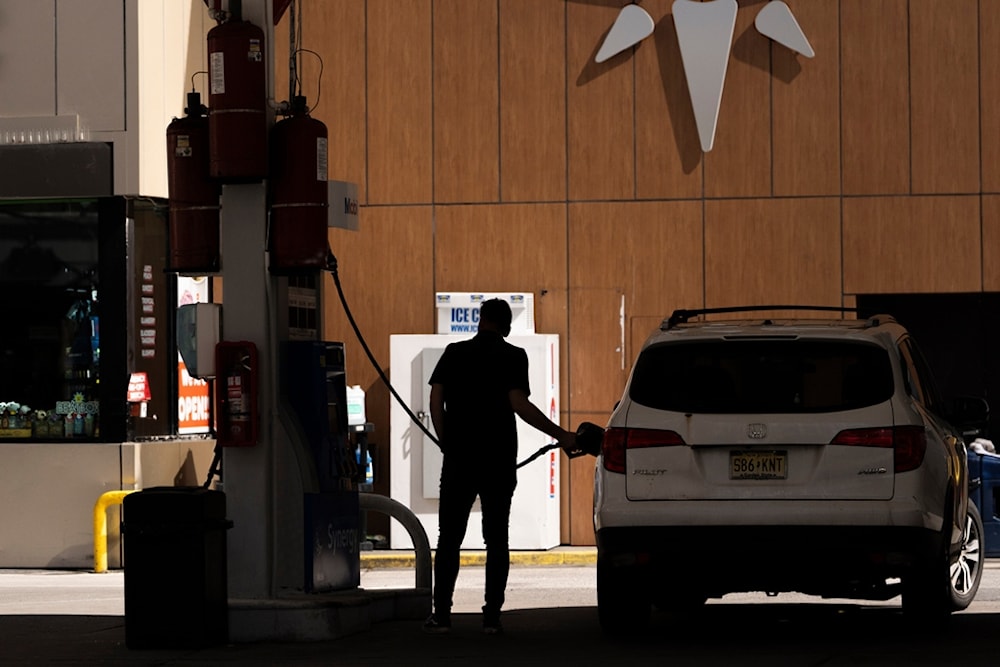
A person gets gas at a station on March 10, 2026, in New York. (AP)
US gas prices reached an average of $3.70 per gallon, a 24% increase since the war on Iran began on February 28, according to AAA.
Secretary of Energy Chris Wright acknowledged the economic impact of the war but emphasized that enduring “short-term pain” is preferable to allowing Iran to develop nuclear weapons.
Even if hostilities ended today, experts say it could take 1 to 3 months for the Strait of Hormuz—a vital shipping route carrying 20% of the world’s oil—to become fully operational again. Hundreds of ships would need safe passage, and damaged facilities would require repairs to resume normal oil flows.
“The duration of the war is what really matters,” said CNN’s David Goldman. The longer the war continues, the higher the prices for everyday consumers.
Airline fuel costs
According to the CNN report, rising oil prices directly affect airline fuel costs, which could quickly translate into higher ticket prices.
United Airlines CEO Scott Kirby warned that the impact of higher jet fuel prices on airfares would “probably start quick”. Travel experts advise booking flights early and avoiding restrictive basic economy fares, which limit refunds and rebooking options during uncertain times.
Grocery bills set to climb
Higher fuel prices also increase the cost of transporting food. Grocery shoppers may notice the effects first in the produce, meat, and dairy sections.
Perishable goods are especially vulnerable, as companies cannot stockpile these items in advance. As transportation costs rise, these costs are passed directly to consumers, creating sustained price pressure for staples in American households.
The war’s economic ripple effects extend far beyond West Asia. From gas pumps to grocery aisles and airline flights, Americans are already feeling the strain.
The situation highlights the interconnectedness of global wars and everyday life: disruptions at the Strait of Hormuz or oil infrastructure in the region can quickly translate into tangible impacts on US households.


