
Iran warns of 'zero restraint' if infrastructure attacked again
 2 Min Read
Iranian Foreign Minister Abbas Araghchi warns that Tehran exercised only "fraction" of its power in responding to Israel's attack on infrastructure, threatening "zero restraint" if Iranian facilities are struck again.
-
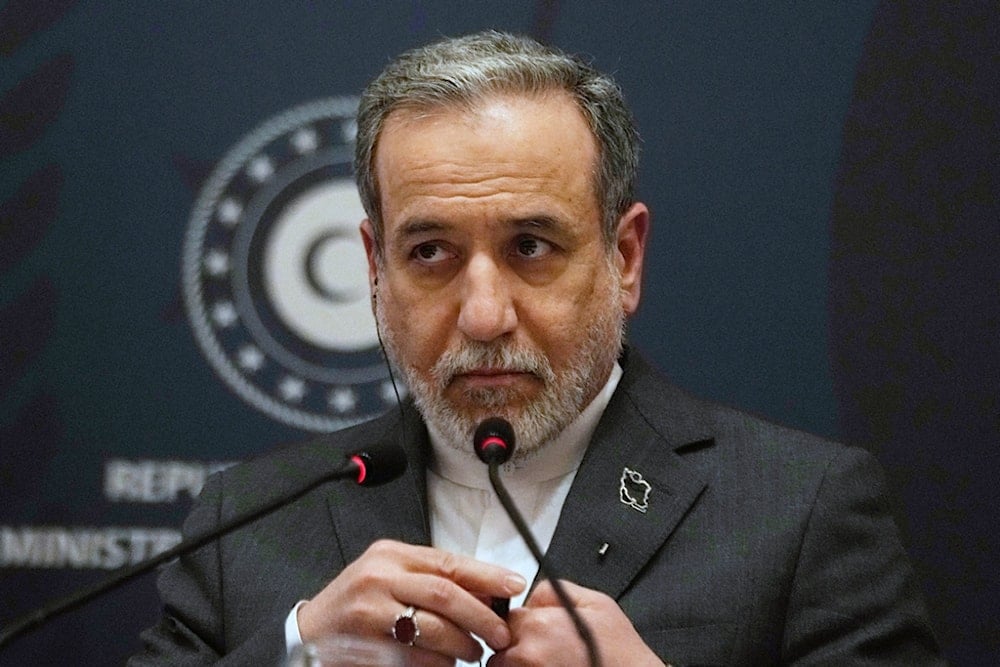
Iranian Foreign Minister Abbas Araghchi speaks to journalists during a press conference in Istanbul, Turkey, Friday, Jan. 30, 2026 (AP)
Iran will not hold back in case of repeated attacks on Iranian infrastructure, Iranian Foreign Minister Abbas Araghchi said on Thursday.
"Our response to Israel's attack on our infrastructure employed FRACTION of our power. The ONLY reason for restraint was respect for requested de-escalation. ZERO restraint if our infrastructures are struck again," Araghchi said on X.
Our response to Israel's attack on our infrastructure employed FRACTION of our power. The ONLY reason for restraint was respect for requested de-escalation.
— Seyed Abbas Araghchi (@araghchi) March 19, 2026
ZERO restraint if our infrastructures are struck again.
Any end to this war must address damage to our civilian sites.
The warning comes after reports emerged on Wednesday that oil industry facilities at the South Pars field and in the Asaluyeh region in southern Iran had been attacked by US and Israeli forces.
Context: Attacks on Iranian infrastructure
On March 18, Tasnim news agency reported that US and Israeli forces attacked oil industry facilities at the South Pars field and in the Asaluyeh region in southern Iran. The South Pars field is the world's largest natural gas field, located in the Persian Gulf, and is a central pillar of the country’s domestic energy system. The attack damaged key facilities and disrupted production, affecting the energy supply relied upon by millions of civilians.
From Tehran’s perspective, the targeting of South Pars marked a deliberate shift toward economic warfare, aimed not only at infrastructure but at the foundations of civilian life. The field supplies a large share of Iran’s domestic energy needs and is critical for electricity generation and heating.
In response, Iran expanded its operations to energy infrastructure across the Gulf, including Qatar’s Ras Laffan industrial complex, the world’s largest LNG export hub, causing significant damage and sending shockwaves through global energy markets. Iranian officials framed the strikes as reciprocal, warning that attacks on the country’s economic lifelines would be met in kind.
Read More: Araghchi slams Macron over 'selective outrage' after South Pars strike


