
Iran was ready to dilute highly enriched uranium, US backed away
 3 Min Read
Iran’s Deputy Parliament Speaker Ali Nikzad says Tehran was ready to dilute enriched uranium as a goodwill gesture.
-
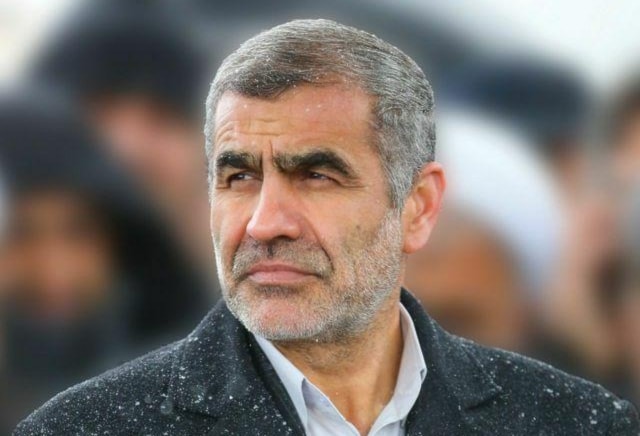
Iran’s Deputy Parliament Speaker Ali Nikzad (Wikimedia Commons)
Tehran had been prepared to demonstrate goodwill in previous nuclear negotiations by diluting a significant portion of its enriched uranium stockpile, Iran’s Deputy Parliament Speaker Ali Nikzad stated on Monday.
In remarks to Iranian state television, Nikzad said Iran was willing to dilute 450 kilograms of enriched uranium rather than hand it over, emphasizing that such a step was intended as a confidence-building measure within the framework of negotiations.
US backtracked on uranium consortium plan
Nikzad revealed that earlier rounds of talks had included plans to establish a joint consortium involving Iran, the United States, and Saudi Arabia to oversee the dilution process; however, they backed down, undermining progress.
He stressed that Iran had entered negotiations with “good faith and will”, but the opposing side’s reversal eroded trust and stalled potential cooperation.
The Iranian official also pointed to proposals raised during negotiations that extended beyond the nuclear file, including the idea of establishing a legal framework for the Strait of Hormuz with US involvement. Nikzad questioned Washington’s relevance to the strategic waterway, stating that “they even proposed creating a legal system for the Strait of Hormuz in which Americans would also be involved,” rejecting such notions as unjustified interference in a regional matter.
Operation in Isfahan aimed at uranium seizure
Addressing recent developments, Nikzad said the United States had sought to seize Iranian uranium through what he described as an operation in Isfahan, adding that the attempt ultimately failed.
He said the incident was part of broader US efforts to exert pressure on Iran, while reaffirming Tehran’s stance on safeguarding its nuclear assets and national sovereignty.
Naval escalation, Strait of Hormuz
The remarks follow talks in Islamabad, which ended in deadlock after 21 hours of intense deliberations. Soon after, US President Donald Trump announced a naval blockade on Iran and any vessel transiting the Strait of Hormuz in coordination with Iranian authorities.
Lieutenant Colonel Ebrahim Zolfaghari, spokesperson for Iran's Khatam al-Anbiya Central Headquarters, responded to Trump's threats, saying that security in the Gulf and the Sea of Oman will be enforced on a reciprocal basis.
Zolfaghari said Iran considers the defense of its territorial waters a “natural and lawful duty," stressing that the presence of foreign-aligned vessels in key maritime corridors will not be permitted.
“If the security of the ports of the Islamic Republic of Iran in the waters of the Persian Gulf and the Sea of Oman is threatened, no port in the Persian Gulf and the Sea of Oman will be safe,” the spokesperson said, warning that any threat to Iranian maritime security would result in broader regional consequences.
Read more: Repetitive nuclear demands, cleared by Tehran, keep Iran, US at odds


