
Leaked files expose UK DSMA media control, push for censorship
 2 Min Read
Leaked DSMA files show UK media influence on national security issues and efforts to control sensitive content on social media platforms.
-
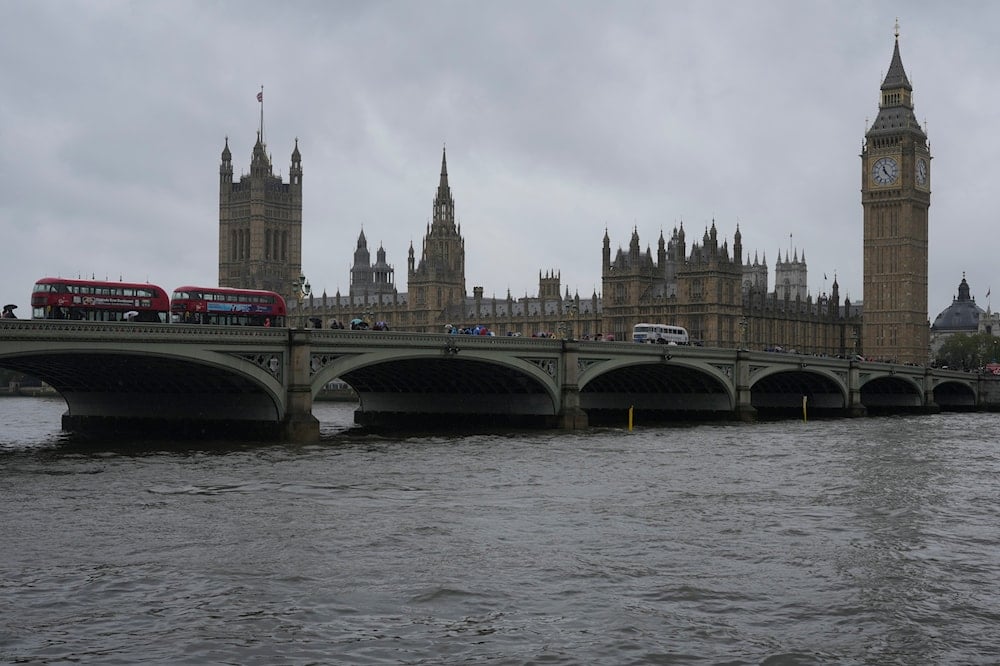
A general view of the Houses of Parliament from across the River Thames in London, Friday, May 3, 2024 (AP)
Newly released documents have shed unprecedented light on the inner workings of the UK’s Defense and Security Media Advisory (DSMA) Committee, revealing how the body shapes, influences, and at times suppresses reporting on national-security matters, and is now seeking to broaden its reach onto social media platforms.
A cache of internal DSMA files published by investigative outlet The Grayzone outlines how the committee, which includes senior figures from the military, intelligence services, and major news organisations, routinely guides British media on sensitive issues. These include intelligence operations, special forces deployments, and high-profile criminal investigations.
Although participation in the DSMA system is officially voluntary, the documents show the committee boasts of a “90%+ success rate” in discouraging publication of certain information. They also reveal instances in which independent or non-mainstream outlets were labelled “extremist” for running stories considered “embarrassing” or insufficiently deferential to DSMA guidance.
Logs covering 2011 to 2014 list dozens of newsroom requests for advice on topics such as the death of GCHQ employee Gareth Williams, UK cooperation with foreign intelligence agencies, and alleged child sexual abuse involving public officials.
Considerable editorial influence
The files do not indicate whether journalists approached the committee proactively or whether DSMA officials intervened before publication. According to The Grayzone, the volume of inquiries points to considerable editorial influence, particularly in reporting related to rendition programs and British special forces activity in Libya and Syria.
The documents also detail DSMA's involvement in managing coverage of long-running and highly sensitive matters, including the Dunblane massacre, Operation Ore, and the death of Princess Diana. In some cases, journalists reportedly issued apologies for publishing material the committee deemed problematic.
As digital platforms have eroded the DSMA’s traditional leverage over the press, the committee has sought to expand its remit. Internal reviews warn that social media undermines its ability to contain sensitive disclosures, and meeting minutes show discussions about engaging major technology companies in efforts to limit the spread of restricted information on platforms such as Meta and X.
While these companies have so far resisted formal cooperation, the DSMA has expressed hope that future regulation may compel them to participate.


