
NATO leaders meet in Ankara as Trump tests transatlantic unity
 5 Min Read
NATO leaders will meet next week as European allies seek to ease tensions with Donald Trump, boost defense spending, reaffirm support for Ukraine, and reinforce the alliance amid growing security challenges.
-
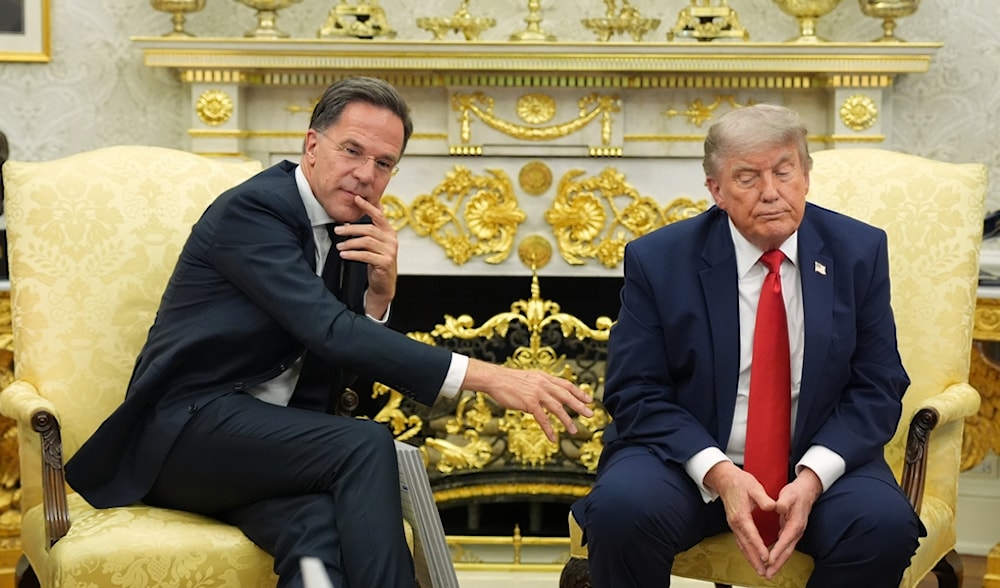
President Donald Trump meets with NATO Secretary General Mark Rutte in the Oval Office at the White House on June 24, 2026, in Washington. (AP)
NATO leaders will gather in Ankara next week as European allies seek to present a united front despite lingering tensions with US President Donald Trump over Iran, Greenland, and Washington's reduced military commitments to the alliance.
The summit is expected to focus on increased defense spending, continued support for Ukraine, and reinforcing NATO's collective position against Russia.
NATO Secretary-General Mark Rutte said the two-day meeting, scheduled for Tuesday and Wednesday, will demonstrate that European allies are fulfilling commitments to strengthen the alliance's military capabilities. He said defense agreements worth tens of billions of dollars are expected to be signed during the summit.
European allies aim to boost defense capabilities
Rutte said the summit will focus on converting higher defense spending into operational military capabilities while expanding Europe's defense industrial base.
"The summit next week will focus on turning extra spending into combat-ready capabilities, and significantly scaling up our defence industries", he said during a speech in Berlin.
He added that NATO remains a transatlantic alliance but argued that European members and Canada are assuming greater responsibility for the continent's conventional defense alongside the United States.
According to Rutte, NATO's European members and Canada increased defense spending by $90 billion in 2025 compared with the previous year, bringing total expenditures to more than $570 billion.
Ukraine support remains a key priority
Leaders are also expected to reaffirm military support for Ukraine in their war against Russia by pledging continued funding for weapons supplies.
Volodymyr Zelensky is expected to attend a dinner hosted by Recep Tayyip Erdoğan, who will also hold bilateral talks with Trump on the sidelines of the summit.
European officials hope Trump's close relationships with Erdoğan and Rutte will help ensure a smooth gathering despite recent disagreements between Washington and its European allies.
Trump criticism clouds NATO unity
European governments remain concerned that tensions stemming from the war on Iran and Trump's repeated criticism of NATO could overshadow the summit.
In a Truth Social post, Trump questioned US spending on the alliance, arguing that Washington was protecting NATO members "without getting any benefit from so doing".
NATO leaders have responded by emphasizing that the alliance contributes to US security while pointing to significant increases in European defense spending that address Trump's longstanding calls for greater burden-sharing.
Uncertainty overtakes alliance
The summit comes after a year of growing strains within the alliance. Trump has threatened to take Greenland from fellow NATO member Denmark, ordered military action against Iran without consulting European allies, and announced reductions to US forces assigned to NATO defense plans, including aircraft, fighter jets, refueling assets, and drones.
Washington has also launched a review of its military presence in Europe, raising questions about the future of US commitments to the continent.
Despite these challenges, European diplomats claim the alliance remains resilient. One diplomat described NATO as "alive and kicking but a bit bruised," while another expressed confidence that leaders understand the importance of maintaining unity during the summit.
Trump's flip-flop on NATO
A NATO source previously told Reuters that the alliance is preparing to present a message of reassurance at its upcoming summit in Ankara, with European members expected to say they have compensated for nearly all of the military capability shortfalls created by recent US reductions in NATO crisis planning.
According to the NATO source, the most significant unresolved gap remains in strategic bombers. Washington has reportedly informed the alliance that it will provide only one such aircraft for NATO planning purposes, rather than two.
The expected announcement follows US moves in May to reduce several military contributions assigned to NATO plans. Reuters reported that the drawdown affected multiple categories, including combat aircraft, drones, refueling aircraft, maritime patrol aircraft, destroyers, and cruise missile submarines.
At the same time, a recent report by the Wall Street Journal revealed that Trump halted War Secretary Pete Hegseth's proposal to announce additional troop cuts in Europe, opting instead for a broader Pentagon review of Washington's military presence.
Although Trump has repeatedly criticized NATO members for what he considers inadequate defense spending and has also criticized allies that did not support the US aggression against Iran, Hegseth's proposals and public remarks have unsettled NATO partners and lawmakers, including prominent Republicans who fear rapid reductions could weaken the alliance and embolden Russia.
Read more: Europe moves to cover US pullback in NATO planning ahead of summit


