
Europe moves to cover US pullback in NATO planning ahead of summit
 3 Min Read
European NATO members are expected to announce at the Ankara summit that they have filled nearly all capability gaps left by reduced US contributions, though the alliance remains dependent on Washington for strategic bomber capacity.
-
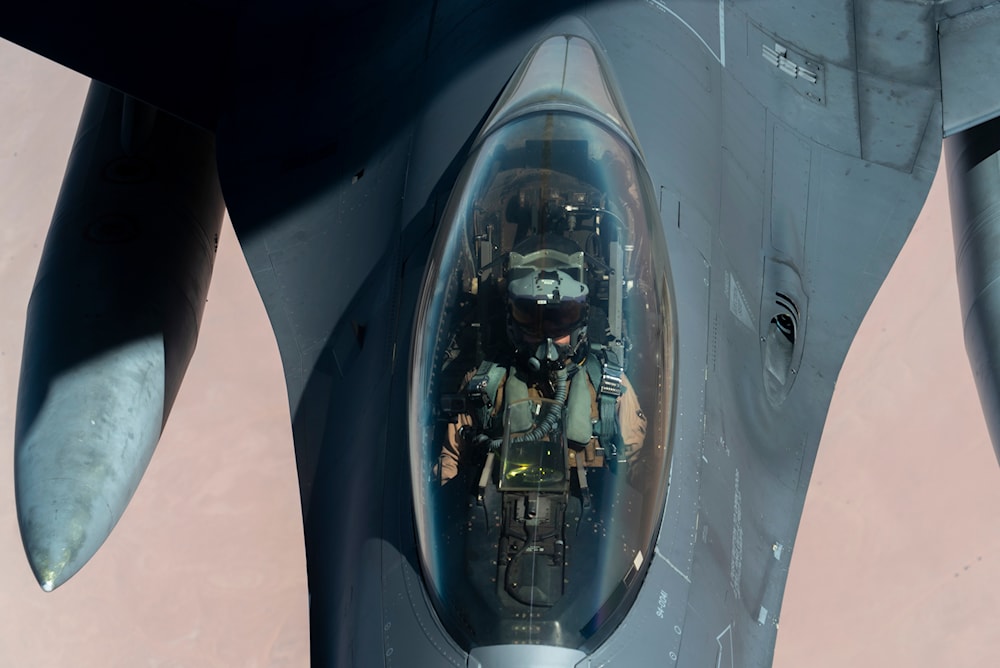
US Air Force F-16 Fighting Falcon is aerial refueled by a KC-135 “Stratotanker” over the U.S. Central Command area of responsibility as part of an escort mission in support of the B-52 “Stratofortress” deployment on December 30, 2020 (AP)
NATO is preparing to present a message of reassurance at its upcoming summit in Ankara, with European members of the alliance expected to say they have compensated for nearly all of the military capability shortfalls created by recent US reductions in NATO crisis planning, Reuters reported, citing a NATO source.
The announcement is expected during the July 7-8 summit in Türkiye, where alliance leaders will seek to project unity at a time of growing pressure on European states to shoulder a larger share of NATO’s military burden.
According to the NATO source, the most significant unresolved gap remains in strategic bombers. Washington has reportedly informed the alliance that it will provide only one such aircraft for NATO planning purposes, rather than two.
The issue is sensitive because strategic bombers are among the capabilities Europe cannot easily replace. Unlike fighter jets, drones, refueling aircraft, maritime patrol planes, warships, and other assets that European allies can attempt to substitute, long-range heavy bomber capacity remains overwhelmingly dependent on the United States.
Broader shift in alliance responsibilities
The expected announcement follows US moves in May to reduce several military contributions assigned to NATO plans. Reuters reported that the drawdown affected multiple categories, including combat aircraft, drones, refueling aircraft, maritime patrol aircraft, destroyers, and cruise missile submarines.
US allocations of F-15 and F-15E fighter jets for NATO were reportedly cut by around one-third, while Reaper drone availability was reduced by half.
European allies have since moved quickly to fill those gaps, aiming to ease concerns over NATO readiness and prevent Washington’s reductions from being seen as a major weakening of the alliance’s posture.
The development comes as NATO prepares for a summit centered on military spending, industrial production, joint procurement, and implementation of the alliance’s long-term capability targets. NATO has said the Ankara gathering will focus on progress toward its 5% defense investment plan and on turning higher spending into expanded weapons production and stronger deterrence.
The issue also reflects a wider shift inside the alliance, as European states face growing demands to become less dependent on US military assets while maintaining Washington’s political and strategic commitment to NATO.
For the alliance, the message in Ankara is expected to be that Europe can cover most of what the United States has scaled back. But the remaining bomber gap underlines how deeply NATO’s most advanced military planning still relies on US power.


