
Pope Leo XIV welcomes US-Iran memorandum, hopes war 'is really over'
 3 Min Read
Pope Leo XIV welcomed the US-Iran memorandum of understanding on Tuesday, urging dialogue over war and calling for nuclear disarmament ahead of the Friday signing in Geneva.
-
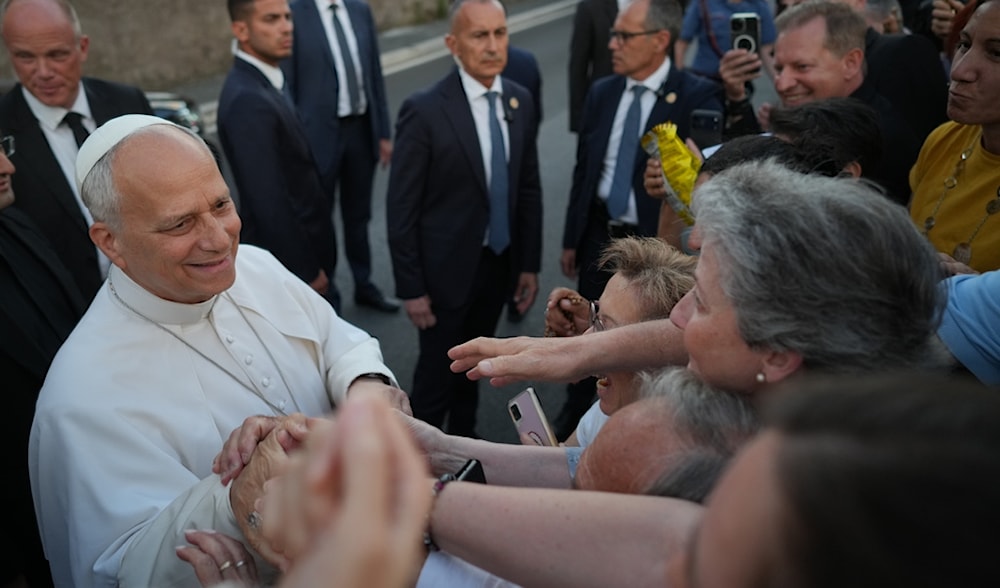
Pope Leo XIV greets people as he leaves his residence in Castel Gandolfo, on the outskirts of Rome, to return to the Vatican, Tuesday, June 16, 2026. (AP Photo/Andrew Medichini)
Pope Leo XIV on Tuesday welcomed the memorandum of understanding reached between Iran and the United States, expressing hope that it would bring the more than three-month war to a definitive end, while calling for the elimination of nuclear weapons and addressing the economic and social damage wrought by the war.
Speaking to reporters outside Villa Barberini, the papal residence at Castel Gandolfo, where he spends his Tuesdays resting and working, Leo said: "Thank God, there is at least this memorandum that they will officially sign on Friday."
"There will still be several points to be established," he added, "but it is always better to do so through dialogue, through negotiation, rather than returning to war."
The Pope expressed hope that the memorandum would be "truly a solution to the war, that the war is really over, and that we can move forward for the good of all," calling specifically for the elimination of nuclear weapons and efforts to address the economic and social consequences generated by the war.
A consistent voice against the war
The remarks come after months of outspoken opposition to the US war on Iran, which Pope Leo consistently condemned from the earliest days of the aggression.
In late March, the pope openly expressed hope that Trump was "looking for an off-ramp" to end the war. On April 7, as Trump threatened the "annihilation" of Iranian civilisation on social media, Leo told reporters outside the same Castel Gandolfo residence that the threat was "truly not acceptable," calling on citizens worldwide to press their elected officials for peace and warning that attacks on civilian infrastructure violated international law.
The following day, he welcomed the short-lived two-week ceasefire as "a sign of deep hope," insisting that only a return to negotiations could end the war.
Just war theory 'outdated'
Leo's position on the war found doctrinal grounding in Magnifica Humanitas, Wonderful Humanity, his first encyclical, released on May 25.
Primarily focused on artificial intelligence, the document also declared the classical "just war" theory "now outdated," writing that "without prejudice to the right to self-defense in the strictest sense, it is important to reaffirm that the just war theory, which has all too often been used to justify any kind of war, is now outdated."
Though the encyclical names no specific war, the framing was widely read as a direct rebuke of the moral justifications advanced for the Iran war.


