
Iran's Hormuz leverage is squeezing Trump: Tosi
 3 Min Read
A former US Congressional aide argues that Iran is prolonging the war to raise the political cost for Trump before November's midterms, and that ships are being struck in Hormuz despite White House claims of control.
-
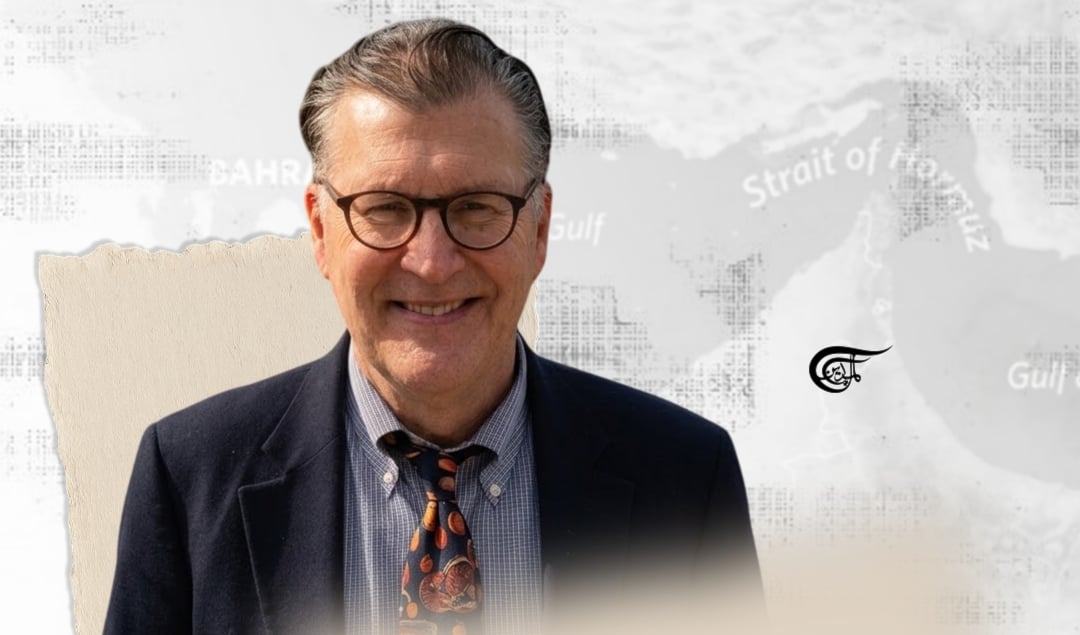
Gregory Tosi, a Republican former congressional aide, speaks to Al Mayadeen on the Strait of Hormuz and the US war on Iran, September 24, 2026. (Al Mayadeen English)
A former US congressional aide and member of the Republican Party has acknowledged that Iran is using its control over the Strait of Hormuz to pressure US President Donald Trump ahead of November's midterm elections, conceding that the outcome could create serious problems for the White House.
Speaking on Al Mayadeen's The Grand Standoff on Thursday, Gregory Tosi, a Washington-based attorney, said Tehran understands where Washington is most vulnerable and is prepared to wait it out.
Tosi explained that Iranian decision-makers recognize that a prolonged war carries a domestic political cost for Trump. "He is not on the ballot, of course, but his party is," he said, adding that losing the House "is going to be a big problem for him."
In his account, Iran intends to keep the war going until it becomes politically too costly for Trump to sustain. "This is their number one strategy," he said.
He credited Iran with a clear reading of the balance of pressure, saying Iranian officials understand the pressure points on both the Americans and Trump.
Threats of annihilation recast as rhetoric
Tosi also sought to soften Trump's threats against Iran. He cited Trump's stated wish to "annihilate the civilization of Iran" and called it hyperbole meant to signal resolve rather than a literal plan. He also invoked journalist Salena Zito's maxim that Trump should be "taken seriously but not literally."
Trump has no intention of leveling Iranian cities, Tosi said, before claiming that "if he wanted to, Tehran would be evaporated tomorrow."
Tosi acknowledged that ships crossing the Strait of Hormuz via unauthorized routes are being struck, even as Trump insists the waterway is open, under US control, and seeing heavy traffic. But he attributed the disruption to Iran "just having drones and small boats."
Strain between Washington, Tel Aviv?
Tosi further said that relations between the United States and "Israel" are strained, pointing in part to growing pressure on Trump over "Israel's" genocidal war on Gaza. "Netanyahu is aggressive," he said, adding that Trump "has some trouble" with the Israeli prime minister.
He also highlighted the weight of pro-"Israel" lobbying in US politics, saying these groups "make their presence known."
Tosi's case for the war rests on keeping nuclear weapons out of Iran's hands, yet he openly granted that "Israel" possesses them. He said "no one is worried about them using it" because Israeli leaders are "rational players."
He argued that "Israel" is under threat but chooses not to use its arsenal, and that its leaders have "no interest" in destroying the region or the Iranian people. He claimed an Iranian bomb would quickly pass to Hezbollah or Hamas and could end up "parked in downtown Tel Aviv" or in New York.
"Israel" has never signed the Treaty on the Non-Proliferation of Nuclear Weapons, and its arsenal remains outside IAEA inspections. In November 2023, Israeli Heritage Minister Amichai Eliyahu said dropping a nuclear bomb on Gaza was one of the options. Iran, by contrast, is a party to the treaty, and its leadership has long held nuclear weapons to be religiously forbidden.


