
Sayyed Khamenei marks Eid, Nowruz, denies Iran attacks on Turkey, Oman
 6 Min Read
Sayyed Mojtaba Khamenei’s Nowruz statement highlights regional unity, promotes economic resilience, and emphasizes Iran’s strategic priorities for the year.
-
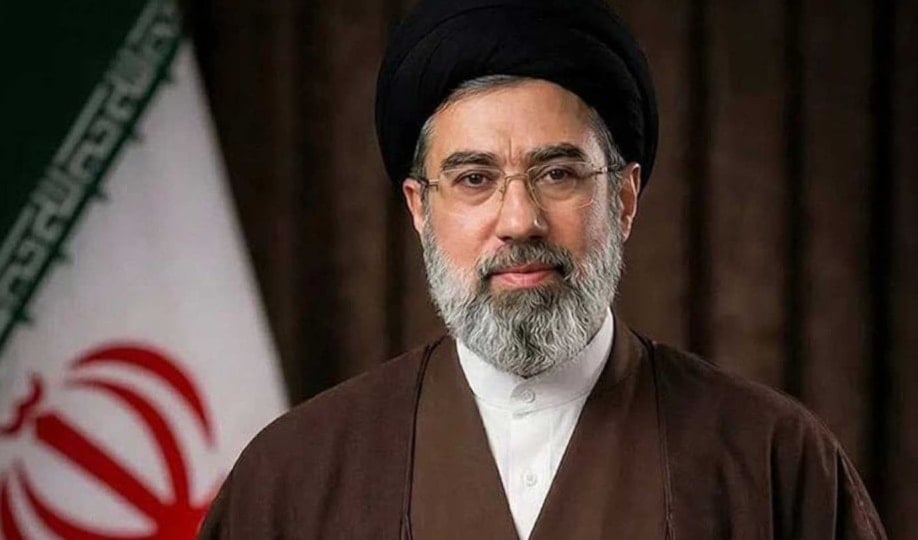
An undated image of Iran’s Leader Sayyed Mojtaba Khamenei (Social Media)
Iran’s Leader Sayyed Mojtaba Khamenei released a written message to mark the start of the Persian New Year, Nowruz, in which he designated the year as one focused on a “resistance economy under national unity and national security.” This slogan emphasizes strengthening Iran’s economic resilience and internal cohesion.
The message comes amid widespread street celebrations across the country marking the start of the new year in defiance of the brutal US-Israeli aggression.
The three wars and national defense
In the statement, released on his Telegram channel, Sayyed Khamenei highlighted three wars that the country experienced over the past year:
The First War: Last June, "Israel", with US support, launched an aggression targeting Iran’s elite leaders and scholars, resulting in the martyrdom of approximately one thousand people. He explained that the enemy believed the regime would collapse quickly; however, the vigilance of the people and the sacrifices of the men of Islam thwarted its objectives.
The Second War: The January coup attempt, during which the US and the Zionist entity assumed that the Iranian people would achieve the enemy’s goals under economic pressure, resulting in the martyrdom of many citizens and significant losses.
The Third War: The ongoing US-Israeli aggression, which began with the farewell of the martyred convoy, including the students of a school in Minab, the fallen heroes, commanders, and members of the Guard, army, and security forces, anonymous soldiers, border guards, and the rest of the people.
Sayyed Khamenei emphasized that the enemy is desperate to manipulate the people in its favor but has failed due to fasting, Jihad, and the people establishing a wide defensive line and fortified trenches in cities and mosques. This disrupted the enemy, causing confusion and irrational behavior.
The people’s epic participation
The Iranian Leader also praised the conscious participation of the people in national marches and events, stressing that citizens’ presence day and night strengthens social cohesion.
He expressed gratitude to the president and officials who mingled with the people, noting that such appearances enhance harmony between the government and citizens and weaken the enemy’s morale.
Sayyed Khamenei noted that one of the enemy’s strategies is to target national unity through media operations. He warned against focusing on the country’s weaknesses and stressed that domestic media must refrain from promoting such vulnerabilities to safeguard national security and unity.
The Resistance economy: This year’s slogan
He also underlined that ensuring livelihoods and generating wealth for the general public is the central point in confronting the economic war, announcing the slogan for the year 1405: “A Resistance Economy under National Unity and National Security.”
He pointed to the efforts of various state units, private sectors, and service professions to enhance production and provide free services, noting that these efforts contribute to strengthening national resilience.
Relations with neighboring countries
The message emphasized the importance of good relations with neighboring countries, particularly eastern neighbors, and reminded them of the special attention given to Pakistan, as was emphasized by the martyred Leader Sayyed Ali Khamenei.
He also clarified that recent attacks in Turkey and Oman did not originate from Iran; rather, they are attempts by the enemy to sow discord between Iran and its neighbors.
Sayyed Khamenei concluded his message with hopes for a year full of victories for the Iranian people and all Muslim nations, especially members of the Axis of Resistance.
He cited the Quranic verse: "And We wanted to confer favor upon those who were oppressed in the land and make them leaders and make them inheritors."
In first letter, Sayyed Mojtaba Khamenei vows continued retaliation
In his first public message after assuming leadership, Sayyed Mojtaba Khamenei said his country would not retreat from confronting those responsible for the martyrdom of Iranian citizens and leaders.
On March 8, Iran’s Assembly of Experts announced the election of Sayyed Mojtaba Hosseini Khamenei as the third leader of the Islamic Republic, following the martyrdom of Sayyed Ali Khamenei.
In a statement issued to the Iranian people, the council extended condolences over the martyrdom of Sayyed Ali Khamenei, as well as other victims of the ongoing war, including commanders of the armed forces and students from the Shajareh Tayyebeh school in the southern city of Minab. The statement also condemned the “brutal aggression carried out by the criminal United States and the malicious Zionist regime.”
The council said it moved swiftly to ensure continuity of leadership despite wartime conditions and attacks targeting the institution itself.
In his speech, Sayyed Mojtaba praised the Resistance, thanking allied movements and governments across the region for supporting Iran during the war.
“We consider the countries of the Resistance front to be among the friendliest to Iran,” he affirmed, praising Ansar Allah, Hezbollah, and the Iraqi Resistance for their continued support for Gaza and Iran.
They are inseparable from the Islamic Republic of Iran, he said, hailing their efforts and stressing that continued cooperation cuts the enemy's lifeline shorter.
Following his election, Resistance factions and groups across the region hailed Sayyed Mojtaba Khamenei and pledged support for Iran amid the ongoing aggression. Many welcomed Sayyed Khamenei's election, describing him as an "extension of the Islamic Revolution’s path."
Leader martyred, succession
Sayyed Ali Khamenei was martyred in a joint US-Israeli aggression on Iran on February 28.
Iranian state television reported that the leader was martyred at his workplace while carrying out his duties in his office during the early hours of Saturday, rejecting claims circulated by “outlets linked to the Israeli regime and regional reactionary currents that the leader was in a secure and undisclosed location" and affirming that he remained present among his people while fulfilling his responsibilities.
Following his martyrdom, an interim leadership council was formed in accordance with Article 111 of the Iranian Constitution to assume the responsibilities of the Leader until a successor was selected.
The council consisted of Iranian President Masoud Pezeshkian, Judiciary Chief Gholamhossein Mohseni Ejei, and Sheikh Alireza Arafi, a jurist from the Guardian Council elected by the Expediency Discernment Council.
The position of Leader, also known as the Jurist Guardian (Vali-e Faqih), represents the highest authority in Iran’s political and religious system. Rooted in the doctrine of Jurist Guardianship (Velayat-e Faqih), the role grants its holder supreme authority over the executive, legislative, and judicial branches while shaping the country’s domestic policies, national institutions, and broader strategic direction.


