
Starmer says to resign as Labour launches leadership contest
 4 Min Read
British Prime Minister Keir Starmer announced his resignation after mounting pressure within Labour, triggering a leadership contest expected to conclude before Parliament returns in September.
-
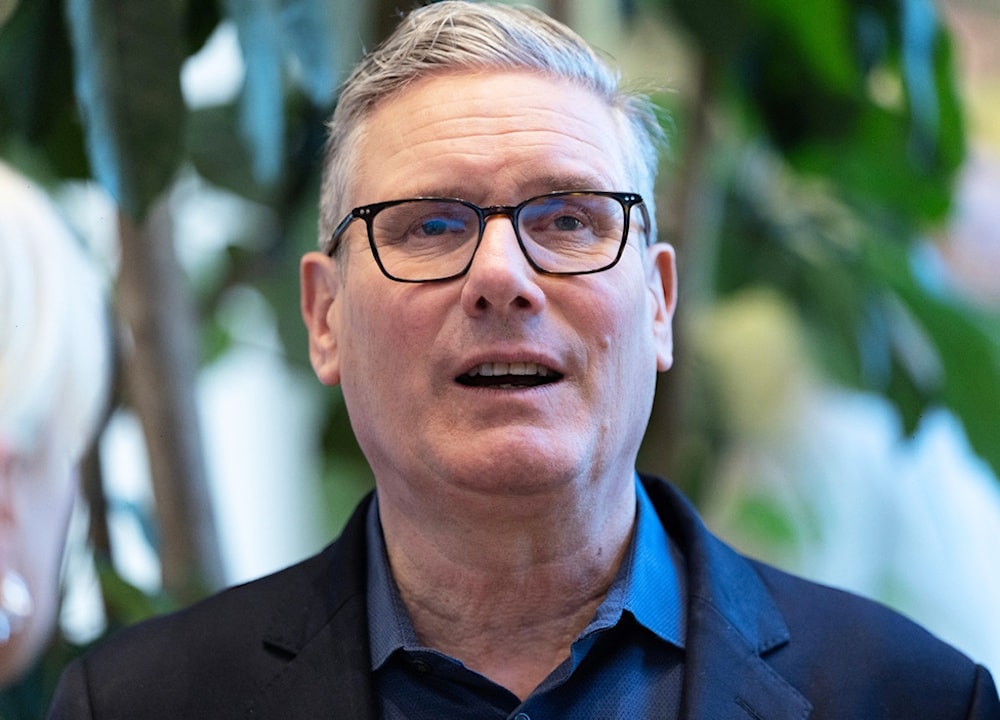
Britain's Prime Minister Keir Starmer speaks with local residents as he visits a housing development in north London, Friday, June 19, 2026. (Peter Macdiarmid/Pool Photo via AP)
British Prime Minister Keir Starmer announced he would resign during a press briefing on Monday, adding that he will put his full support behind his successor.
"I know the question being asked now is not who was best placed to change the Labour Party, to take us into power, and to begin the vital work of improving lives for millions of people," Starmer said. "Those questions have been answered. The question my party is asking now is whether I am best placed to lead us into the next general election."
He added that he accepted the answers given to whether or not he is fit to remain as prime minister with good faith, stating that every decision he made was to put the UK first.
"That is why I will resign as leader of the Labour Party," Starmer said.
Watch live: My statement. https://t.co/MX7ga3FRGq
— Keir Starmer (@Keir_Starmer) June 22, 2026
He noted during the briefing that he had taken his decision to the monarchy and will notify the National Executive Committee of the Labour Party to plan a timetable with nominations opening on July 9, with the intention of a successor being nominated by the summer recess.
Starmer added that in the event of a contest, a new Labour leader will be put in place before parliament returns in September.
UK media had speculated that Starmer would be announcing his resignation soon after he faced mounting criticism from Labour lawmakers, as well as a series of political setbacks that have weakened his position.
Read more: UK Foreign Secretary Cooper privately urged PM Starmer to resign
Burnham's arrival intensified Labour leadership speculation
The news of Starmer's resignation comes as Labour heavyweight Andy Burnham prepares to take his seat in Parliament following a decisive by-election victory that has strengthened expectations of a leadership challenge.
Burnham's return to Westminster is viewed by many Labour figures as a significant moment in the party's internal debate over its direction following months of declining public support.
The Greater Manchester mayor used his victory speech to warn that Labour had a "final chance to change," comments widely interpreted as a signal of his intention to seek the party leadership.
Burnham's popularity was an immense amount of pressure against the Starmer leadership, bringing hope to Labour lawmakers that he could turn the tide in the party's favor.
However, besides stating that the UK needs fundamental change and needs to bring down the cost of living, Burnham's approach to foreign affairs, the economy, and defense remains unknown.
Under Labour rules, any party leader must be a sitting member of Parliament, making Burnham's by-election victory a necessary step toward a potential challenge.
British media reports suggest that Burnham has already secured growing support among Labour lawmakers frustrated by the party's recent performance.
Labour crisis deepened after electoral setbacks
The pressure on Starmer followed a series of disappointing electoral performances and internal controversies that have eroded confidence in his leadership.
Labour's poor showing in recent local and regional elections intensified criticism from across the party, with many lawmakers arguing that the government has failed to maintain momentum despite its large parliamentary majority.
Starmer has also faced backlash over several policy reversals, ministerial departures, and controversial appointments that opponents say damaged public trust.
The Makerfield by-election, won comfortably by Burnham, became a focal point for dissatisfaction inside Labour and further exposed divisions over the party's future direction.
Burnham, who is associated with Labour's soft-left wing, has so far offered limited details regarding a potential leadership platform. However, British media reports indicate he is considering significant changes to the government team should he succeed in replacing Starmer.
Read more: UK PM Starmer announces social media ban for children under 16


