
Starmer warns successor against neglecting global crises
 3 Min Read
Outgoing UK Prime Minister Keir Starmer says his successor must remain engaged in global affairs, arguing that international crises directly affect Britain's domestic priorities.
-
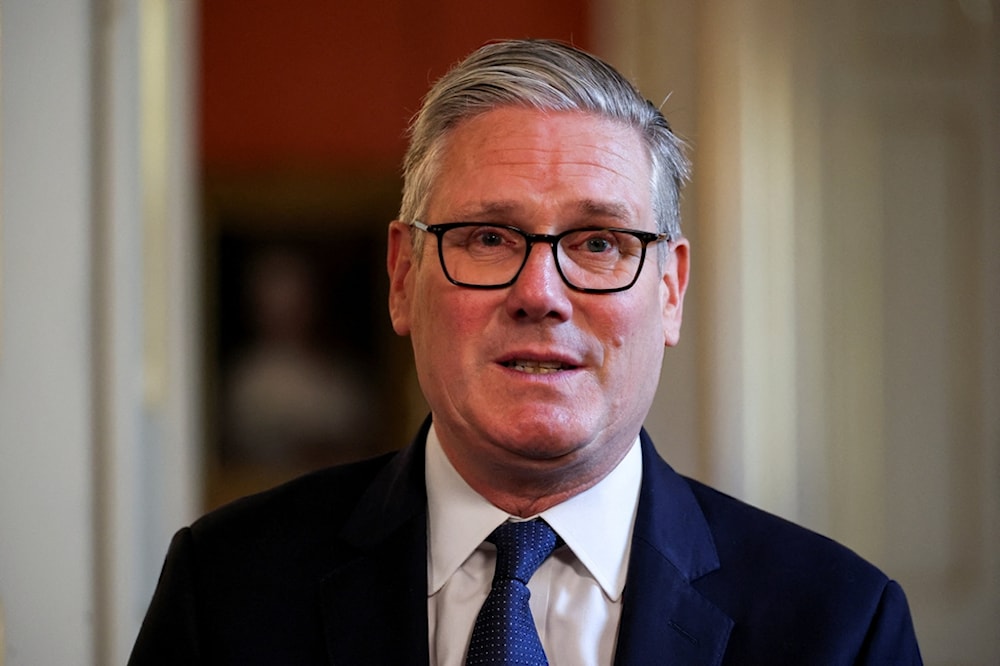
Britain's Prime Minister Keir Starmer meets with campaigners to discuss historical forced adoption, at Downing Street, in London, Thursday July 2, 2026. (Isabel Infantes/Pool Photo via AP)
Outgoing British Prime Minister Keir Starmer has warned his likely successor, Andy Burnham, that the next Labour leader will not be able to prioritize domestic issues at the expense of Britain's role on the international stage, arguing that global instability directly affects life at home.
Speaking in his first interview since announcing his resignation on June 22, Starmer told the BBC that his successor would inherit an increasingly volatile geopolitical landscape and would have to remain actively engaged in foreign affairs.
"Whoever's my successor is going to face the same global conflict. We keep saying, and it's true, we're in a more dangerous and volatile world than we've been in for probably most of my lifetime. That's not just a phrase, that's reality," Starmer said.
Global crises and domestic priorities are interconnected
Starmer's remarks come as former Manchester mayor Andy Burnham, currently the only declared candidate to lead the ruling Labour Party, prepares to potentially assume office by mid-July.
Burnham's supporters have argued that his leadership should place greater emphasis on domestic priorities, including the cost-of-living crisis and decentralizing government. However, Burnham has also pledged to maintain Britain's support for Ukraine, saying during a social media Q&A on Friday that he would "100 percent" continue Starmer's policy.
Rejecting the notion that foreign policy can be separated from domestic governance, Starmer argued that international events have a direct impact on British households.
"There's often this discussion -- what's the right balance between dealing with international affairs and dealing with domestic affairs? They're one and the same thing," he said.
"If you're prime minister and you care what bills are going to be like in any household around the country, you have to care about finding a lasting solution to the situation in Ukraine, you have to care about what happens in the Strait of Hormuz."
Starmer pledges support for Labour's next leader
Starmer said he holds "no personal animosity" toward Burnham and pledged to support the next Labour government, while making clear he does not intend to publicly second-guess his successor.
"I would do everything I possibly can to make sure" the next government succeeds, he said, adding that he would be "keeping my mouth shut, rather than giving constant advice to my successor about what they should be doing."
The outgoing prime minister, who led Labour to a landslide victory in the 2024 general election, confirmed he intends to remain a member of parliament until at least the next national election.
Reflecting on his decision to step down after initially vowing to resist challenges to his leadership, Starmer said mounting pressure within the Labour Party ultimately made his resignation a personal choice reached with his family.
"In the end it became an intensely personal decision," he said, recalling that he reached his final decision after spending two days with his wife and children at the prime minister's country residence, Chequers.


