
Study finds plug-in hybrids use 3x more fuel on road
 3 Min Read
A large-scale German study finds that plug-in hybrid vehicles consume up to three times more fuel in real-world driving than official EU certification figures indicate, raising concerns over emissions standards and regulatory oversight.
-
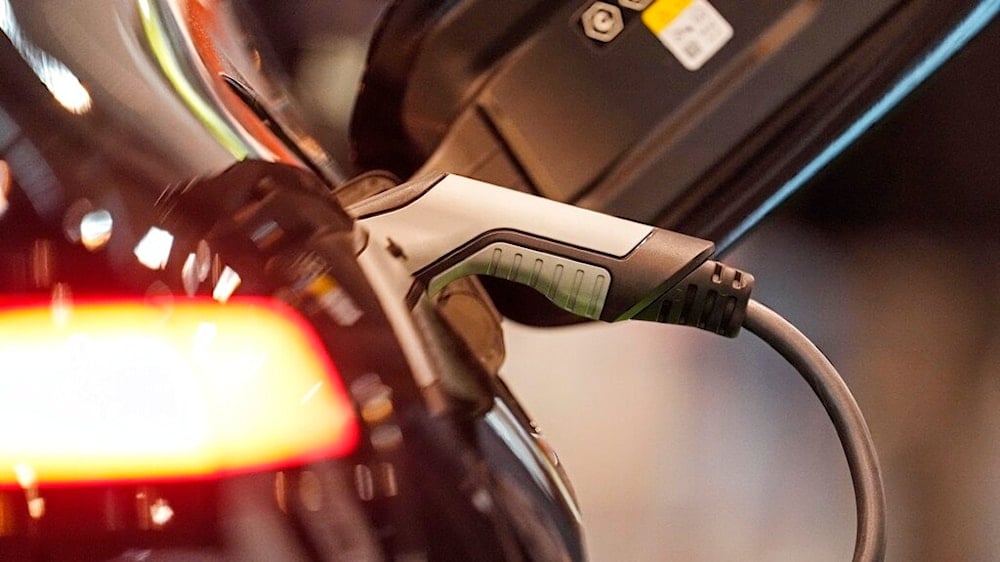
FILE - An electric car is charged at the Motor Show in Essen, Germany, on December 2, 2021. (AP Photo/Martin Meissner, File)
A large-scale German study has concluded that plug-in hybrid vehicles are using significantly more fuel in everyday driving than official EU certification figures suggest, raising fresh questions about emissions accounting and regulatory standards across Europe.
Researchers at the Fraunhofer Institute analyzed real-world operational data from roughly one million plug-in hybrid electric vehicles (PHEVs) manufactured between 2021 and 2023. The data, transmitted wirelessly while the cars were in use, allowed scientists to compare actual fuel consumption with figures recorded under EU laboratory testing procedures.
Their findings show that, on average, plug-in hybrids consume around six litres of fuel per 100 kilometres in real-world conditions, roughly three times higher than the one to two litres per 100km often cited in official documentation.
Hybrid gap exposed
PHEVs combine a conventional internal combustion engine with a rechargeable electric motor, allowing drivers to alternate between the two systems. Under EU certification tests, manufacturers calculate fuel use based on assumptions about how often the vehicle operates in electric-only mode. The study suggests that in practice, the combustion engine engages far more frequently than projected, pushing fuel consumption sharply higher.
Speaking to SWR, Patrick Plötz of the Fraunhofer Institute said the team suspects the petrol or diesel engine is activated more often than previously believed during routine driving, calling for regulators to rely on real-world emissions figures, stating: “Then one could say a manufacturer who does not comply with the (emissions) limits on the road may have to pay a penalty.”
According to the analysis, performance varied by brand. German-built plug-in hybrids ranked among those with the highest average consumption levels. A high-end model from Porsche recorded approximately seven litres per 100km when operating in hybrid mode, exceeding the average for other PHEVs and in some cases even surpassing conventional combustion vehicles in comparable driving scenarios.
At the lower end of the market, models from Kia, Toyota, Ford and Renault showed considerably lower consumption levels in certain cases.
Porsche defends standards
Responding to the findings, Porsche pointed to variations in driving habits and external factors. “The fuel consumption figures of our vehicles are based on the legally prescribed EU measurement procedures.” The company added that the methodology ensures “uniform and comparable values across Europe”.
“Deviations from individual real-world consumption figures can arise due to different usage profiles and external conditions,” such as road conditions or driver behaviour, the company told SWR.
The study’s authors urged European regulators to revise how plug-in hybrids are assessed, arguing that existing procedures may underestimate real emissions. They said CO2 fleet limits, which determine how much carbon dioxide manufacturers are allowed to emit on average across their vehicle ranges, may need adjustment in light of the findings.
The European Commission, which oversees CO2 standards, declined to comment. Meanwhile, Germany’s automotive industry association defended current testing protocols, saying it considers the existing framework for measuring fuel consumption and emissions to be reliable.
Read more: China’s BYD overtakes Tesla as world’s top electric carmaker in 2025


