
Trump dissatisfied with Iran's phased ceasefire proposal
 3 Min Read
US President Donald Trump expresses dissatisfaction with Iran’s phased ceasefire proposal, insisting nuclear talks come first as Strait of Hormuz disruptions push oil prices higher and tanker traffic collapses.
-
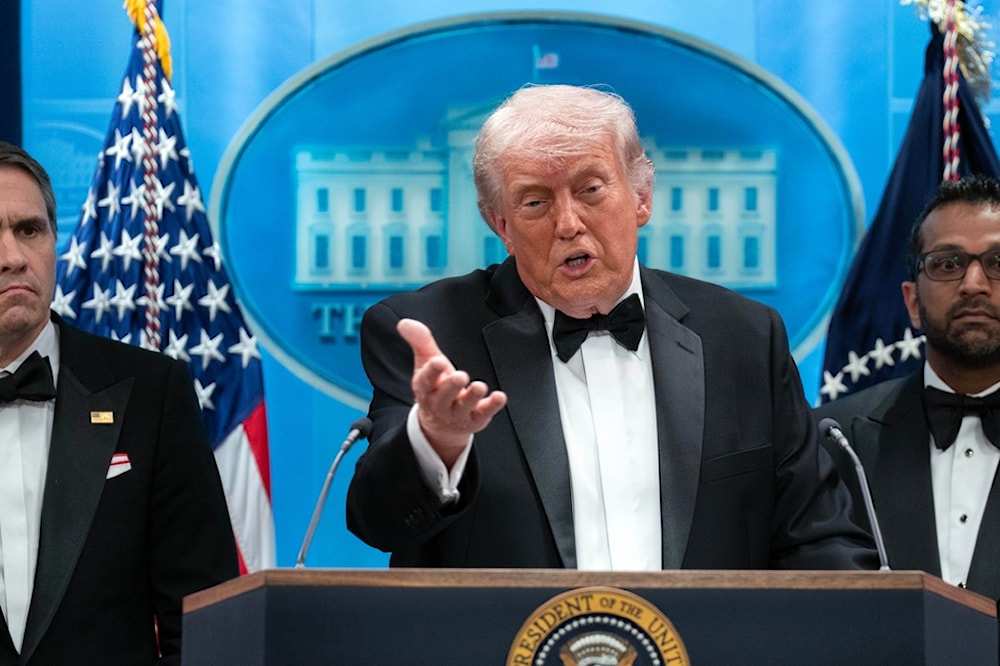
US President Donald Trump gestures as he speaks in the James Brady Press Briefing Room at the White House after an unspecified threat at the annual White House Correspondents' Association Dinner in Washington, Saturday, April 25, 2026. (AP Photo/Jose Luis Magana)
US President Donald Trump has expressed dissatisfaction with a recent Iranian proposal aimed at ending the ongoing war, according to Reuters, citing a US official, casting further doubt on prospects for a near-term resolution to a war that has shaken global energy markets and led to heavy losses.
The proposal reportedly calls for a phased approach to negotiations, beginning with an end to hostilities and addressing maritime tensions in the Gulf, before discussions over Iran’s nuclear program. However, Washington has maintained that any diplomatic process must include nuclear issues from the outset, a point that remains a key obstacle.
A US official familiar with internal discussions said Trump rejected the framework during a meeting with advisors on Monday, citing its failure to address core US demands. The White House reiterated its stance publicly, with spokesperson Olivia Wales stating that the United States “will not negotiate through the press” and remains firm on its conditions for ending the war launched earlier this year alongside Israeli forces.
Efforts to revive diplomacy have shown signs of faltering. A planned visit to Islamabad by Trump’s envoy Steve Witkoff and senior advisor Jared Kushner was canceled, even as Iran’s Foreign Minister Abbas Araghchi intensified regional consultations. Araghchi traveled between Pakistan and Oman before heading to Russia, where he met President Vladimir Putin and received support from Moscow.
Oil markets bear the brunt
The ongoing standoff has had a visible impact on global oil flows, with prices rising again in early Asian trading on Tuesday amid mounting supply concerns. Market analysts point to disruptions in the Strait of Hormuz as a central factor driving volatility.
Shipping data shows a sharp decline in vessel movement through the strategic waterway. While more than 100 ships typically transit the strait each day, only a handful were recorded over the past 24 hours, none of them carrying oil destined for international markets. At least six tankers loaded with Iranian crude were reportedly forced to return due to a US naval blockade, underscoring the scale of disruption.
Iran has strongly condemned the seizures, describing them as acts of piracy and accusing Washington of targeting its maritime trade. The blockade, alongside the broader war, has intensified pressure on global supply chains.
At the political level, Trump is also facing growing domestic scrutiny as his approval ratings decline, with critics questioning the shifting rationale behind the war.
According to Iranian officials, the proposal delivered in recent diplomatic engagements outlines a sequence of steps beginning with a ceasefire and guarantees against renewed military operations. It also includes resolving tensions surrounding the US naval presence and reopening the strait under Iranian oversight.
Only in later stages would negotiations address broader disputes, as per Reuters, including Iran’s nuclear program, with Tehran continuing to seek recognition of its right to uranium enrichment.
Read more: US 'being humiliated' by Iran, which is 'negotiating skillfully': Merz


