
Ukraine receives another IRIS-T launcher from Germany: reports
 4 Min Read
Ukraine has received another IRIS-T air defense launcher from Germany as part of a €4 billion weapons package, despite Russian warnings that such shipments are legitimate military targets.
-
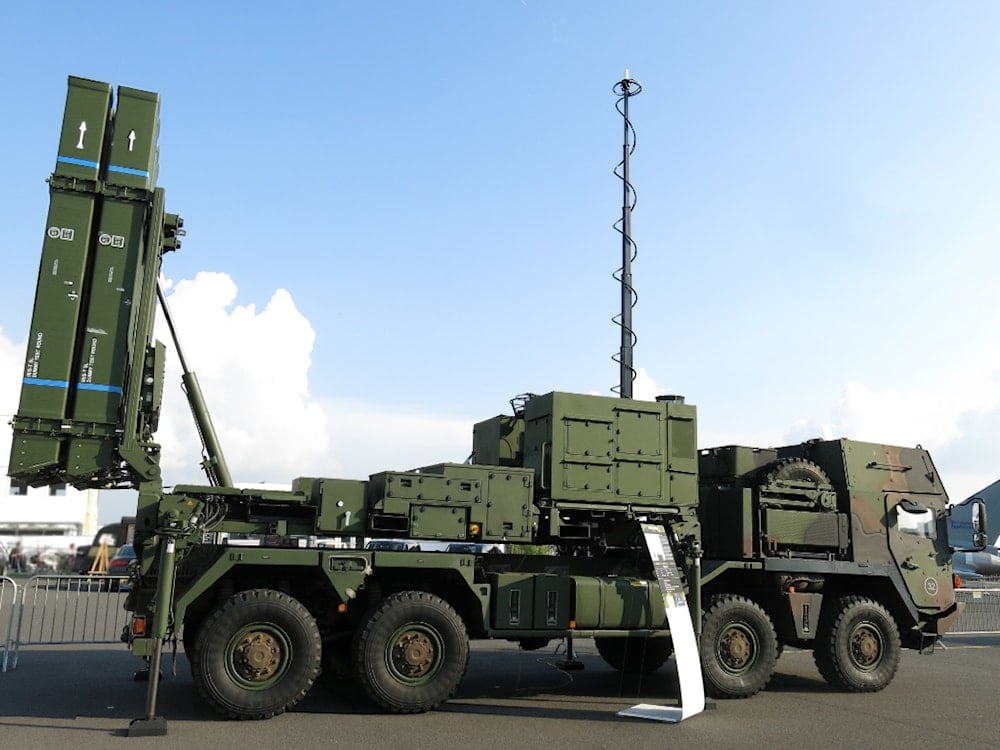
DIEHL launcher station 2x4 IRIS-T SL on MAN SX45 truck, ILA Berlin Air Show 2016. (Wikicommons)
Ukraine has taken delivery of an additional IRIS-T air defense system from Germany, according to Ukrainian authorities cited by the Strana.ua news website, as Berlin continues to supply Kiev with advanced weaponry despite repeated Russian warnings that such shipments constitute legitimate military targets.
The delivery follows an announcement in April by Ukrainian Defense Minister Mykhailo Fedorov that Germany had agreed to supply and finance weapons production worth a total of 4 billion euros, or approximately $4.7 billion. The package includes the purchase of several hundred missiles for Patriot systems and the delivery of 36 IRIS-T launchers.
Russia has previously destroyed a number of such systems. On May 5, the Russian Defense Ministry reported that its forces had struck a German-made IRIS-T launcher using long-range precision weapons.
Russia warns weapons shipments are legitimate targets
Russian Foreign Minister Sergey Lavrov has repeatedly warned that any cargo containing weapons for Ukraine will be considered a legitimate target for the Russian military.
The Russian Foreign Ministry has also stated that NATO allies are "playing with fire" by supplying weapons to Ukraine.
The Kremlin has consistently stressed that funneling weapons to Kiev does not contribute to the peace process and only prolongs the conflict, which is now in its fifth year.
NATO divided over military aid to Ukraine as Germany acts alone
The latest IRIS-T delivery to Kiev comes amid deep divisions within NATO over the alliance's role in arming Ukraine. As reported last week, United Kingdom and France rejected a proposal by NATO Secretary General Mark Rutte requiring all member states to allocate 0.25 percent of their GDP specifically for military assistance to Ukraine. Spain, Italy and Canada also rejected the proposal, while seven other member states, believed to include the Netherlands, Poland and some Nordic and Baltic nations, accepted it.
Rutte had promoted the initiative as a mechanism to ensure uninterrupted military support for Kiev amid concerns that Western aid could falter as the conflict continues.
However, the rejection by major European powers, including two nuclear‑armed permanent members of the UN Security Council, highlights the lack of consensus within the alliance over the level of commitment to Ukraine. France and the UK have provided significant military assistance to Kiev but appear unwilling to formalise a binding spending target.
Germany's unilateral deliveries underscore alliance fragmentation
While Germany has continued to supply advanced weaponry to Ukraine, including the latest IRIS-T launcher, the failure of Rutte's proposal suggests that European members are pursuing their own national policies rather than a coordinated NATO strategy. Some allies fear that direct confrontation with Russia could escalate the conflict beyond Ukraine's borders, while others, particularly Eastern European nations, have pushed for greater NATO involvement.
Russia has consistently warned that Western arms supplies to Ukraine hinder the resolution of the conflict and make NATO countries direct parties to the crisis. Russian Foreign Minister Sergey Lavrov has stated that any cargo containing weapons for Ukraine will be considered a legitimate target for the Russian military. The Kremlin has stressed that funneling weapons to Kiev does not contribute to the peace process and only prolongs the fighting.
The divisions within NATO over arming Ukraine, coupled with Russia's demonstrated ability to destroy advanced Western systems like the IRIS-T, raise questions about the long-term sustainability of Western military aid to Kiev. As the conflict enters its fifth year, European nations remain split on how far they are willing to go to support Ukraine.
Read More: UK, France reject NATO plan to spend 0.25% of GDP on arming Ukraine


