
Ukraine struggles to intercept Russian missiles amid Patriot shortage
 3 Min Read
Ukraine’s ability to intercept Russian ballistic missiles has weakened as Kiev faces shortages of US-made Patriot interceptors amid continued attacks.
-
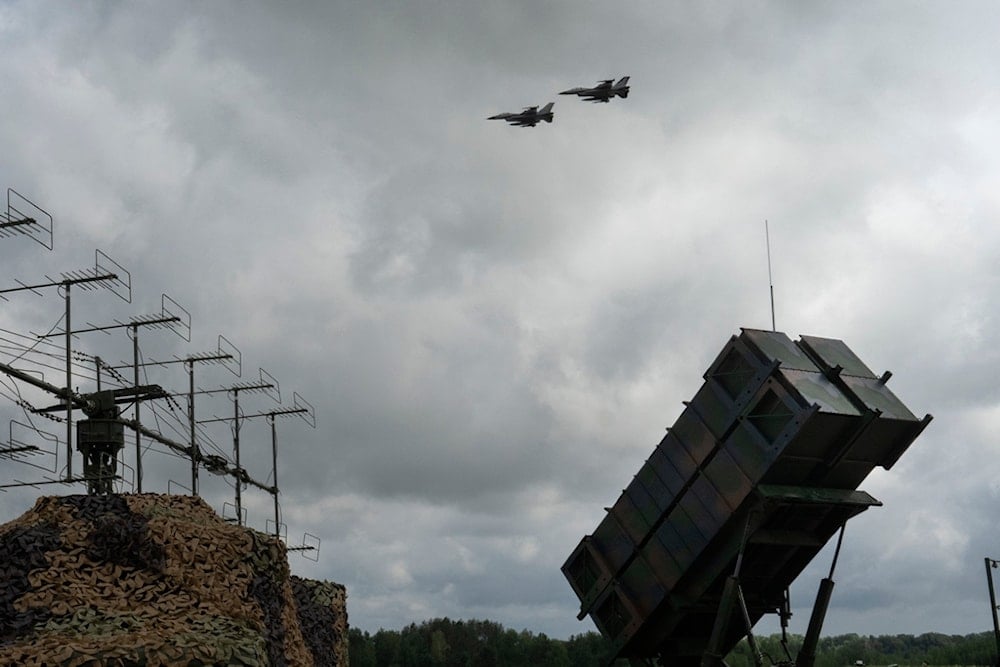
The Ukrainian Air Force's F-16 fighter jets fly over a Patriot Air and Missile Defense System in an undisclosed location in Ukraine, on August 4, 2024. (AP)
Ukraine’s ability to intercept Russian ballistic missiles has declined during recent large-scale attacks, highlighting growing pressure on Kiev’s air defense systems amid shortages of US-made Patriot interceptors.
Ukraine failed to shoot down any of the 23 Iskander-M ballistic missiles or six high-speed Zircon and Oniks missiles launched by Russia in an overnight operation between July 5 and 6, according to figures released by the Ukrainian Air Force on Telegram.
The latest figures mark a decline from previous Russian air operations, during which Ukraine had intercepted around one-third of incoming ballistic missiles and at times achieved higher interception rates.
Ukraine struggles to counter Russian ballistic missile attacks
The deterioration in Ukraine’s ballistic missile interception capabilities comes as NATO Secretary-General Mark Rutte warned that allied countries do not have an unlimited supply of missile interceptors.
Ukrainian President Volodymyr Zelensky has repeatedly called on allies to replenish Ukraine’s stockpile of Patriot munitions, which Kiev says are essential for protecting major cities, including the capital, from Russian strikes.
A typical Russian aerial attack combines hundreds of drones with dozens of cruise and ballistic missiles. While Ukraine has improved its ability to intercept Shahed-type drones and slower cruise missiles, ballistic missiles remain a major challenge due to their speed and flight trajectory.
Patriot interceptors remain critical to Ukraine’s air defense
The US-made Patriot air defense system has become one of Ukraine’s most important tools for countering ballistic missile threats. However, limited interceptor supplies have created challenges as Russia continues launching large-scale missile attacks.
The ground-launched Iskander-M missile is Russia’s primary ballistic weapon and has a range of around 500 kilometers. It can strike targets within minutes, leaving air defense systems with only a narrow window to respond.
Allies at their limit
Earlier today, the Netherlands announced it has reached the limit of its direct military support for Ukraine and can no longer provide additional military assistance.
Speaking on the sidelines of the NATO summit in Ankara, Dutch Defense Minister Dilan Yeşilgöz-Zegerius said the Netherlands had exhausted its capacity to provide further direct military aid and would instead urge other allies to increase their support for Kiev.
Similarly, Poland has significantly reduced its deliveries of weapons and military equipment to Ukraine, with Defense Minister Władysław Kosiniak-Kamysz saying Warsaw has already transferred nearly everything it could provide.
"We are continuing to provide aid. Of course, in significantly smaller quantities. Because everything we could give has already been given", Kosiniak-Kamysz told reporters on Monday.
Read more: Poland revokes honor awarded to Zelensky after tribute to Nazi unit


