
UNIFIL reports Israeli mortar striking position in Southern Lebanon
 4 Min Read
UNIFIL reported that Israeli fire struck one of its positions near Yaroun in southern Lebanon overnight.
-
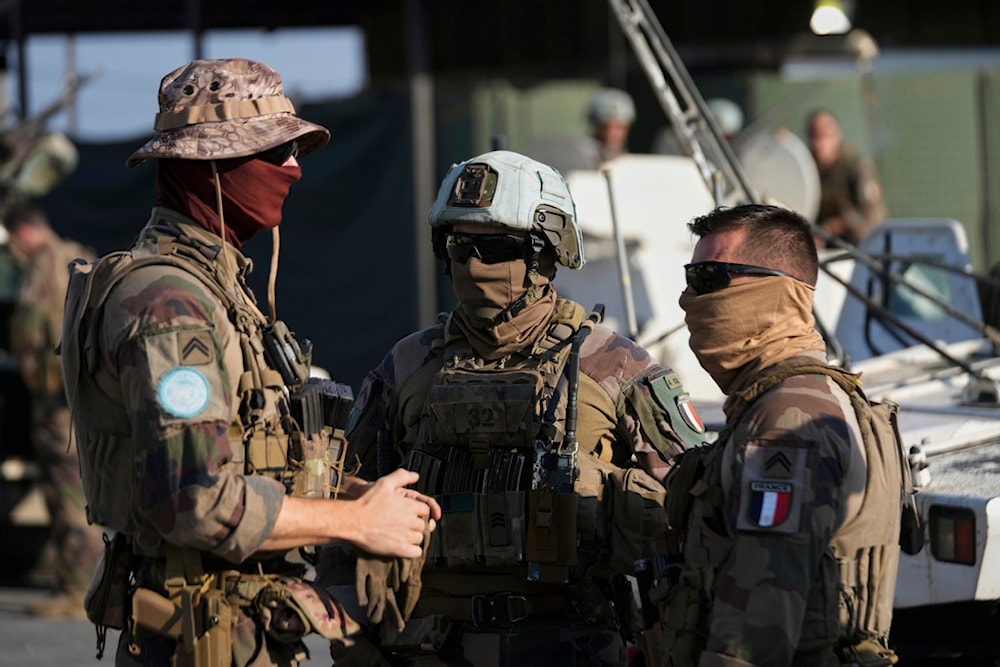
French U.N. peacekeepers prepare to leave their base to patrol along the Lebanese-Israeli border in Deir Kifa, south Lebanon, Wednesday, Aug. 20, 2025 (AP Photo/Hussein Malla)
UNIFIL reported on Tuesday that two mortar rounds, assessed as likely illumination flares, struck the helicopter landing pad and the main gate of one of its positions southwest of Yaroun in southern Lebanon overnight.
In a statement, the United Nations Interim Force in Lebanon said its personnel immediately took shelter to protect themselves, confirming that no injuries were reported.
UNIFIL added that it issued a stop-fire request to Israeli forces following the incident, a step it has repeatedly taken in response to fire originating from Israeli positions near or inside Lebanese territory.
The international force stressed that it has once again reminded "Israel" of its legal obligation to ensure the safety and security of UN peacekeepers and to cease attacks that endanger their lives and installations. Such incidents, UNIFIL warned, directly threaten the mission’s ability to carry out its mandate.
UNIFIL further stated that any attack on peacekeeping positions constitutes a serious violation of UN Security Council Resolution 1701 and undermines the fragile stability the mission is tasked with maintaining in southern Lebanon.
'Israel' Targets Peacekeepers
The incident near Yaroun comes amid a broader pattern of Israeli military actions affecting UN personnel. In recent months, UNIFIL has repeatedly reported fire from Israeli tanks and positions landing close to or impacting its patrols and facilities, including cases in which UN peacekeepers were injured. In each instance, UNIFIL said it contacted Israeli forces to demand an immediate halt to fire, underlining what it describes as persistent operational risks caused by Israeli military activity.
"Israel" has continued to violate the ceasefire framework, with Lebanon subjected to near-daily attacks ranging from airstrikes to the destruction of agricultural land, alongside constant surveillance drone flights over Lebanese territory and the continued occupation of five points in the south. UNIFIL positions themselves have also been targeted, incidents the occupation has routinely claimed were “unintentional,” despite their frequency.
According to UNIFIL data, these actions form part of a sustained pattern of violations, with the mission recording more than 10,000 Israeli breaches of the cessation-of-hostilities arrangements since the agreement was signed.
UNIFIL Under Pressure
The security incidents have unfolded alongside intensifying diplomatic pressure on Lebanon linked to renewed discussions over UNIFIL’s future role. Lebanese sources said earlier this month that efforts are underway to revisit the mission’s mandate or encourage the withdrawal of certain contributing countries, moves viewed in Beirut as part of a broader attempt to reshape the international framework governing the southern border despite persistent Israeli violations on the ground.
In this context, Lebanese President Joseph Aoun told UN officials in early January that Lebanon welcomes the continued presence of international forces in the south beyond UNIFIL’s planned withdrawal at the end of 2027, provided an agreed framework is reached to support the Lebanese Armed Forces in extending state authority to the internationally recognized border and implementing Resolution 1701. Aoun said the army’s full deployment has been obstructed by "Israel’s" failure to withdraw from occupied points, its continued ceasefire violations since November 2024, and ongoing hostile actions against Lebanese territory.
UNIFIL officials have meanwhile reiterated that "Israel’s" continued military activity and occupation in southern Lebanon represent serious violations that hinder stability and place peacekeepers at risk, warning that even limited breaches risk escalation while diplomatic deliberations shift increasingly toward the UN Security Council.
Read more: UNIFIL shies away from naming IOF being behind attack in South Lebanon


