
US imposes 25% tariffs on Brazil, Lula vows to push back
 4 Min Read
Washington has imposed 25% tariffs on selected Brazilian goods under Section 301, as Brazil denounces the decision and denies engaging in unfair trade practices.
-
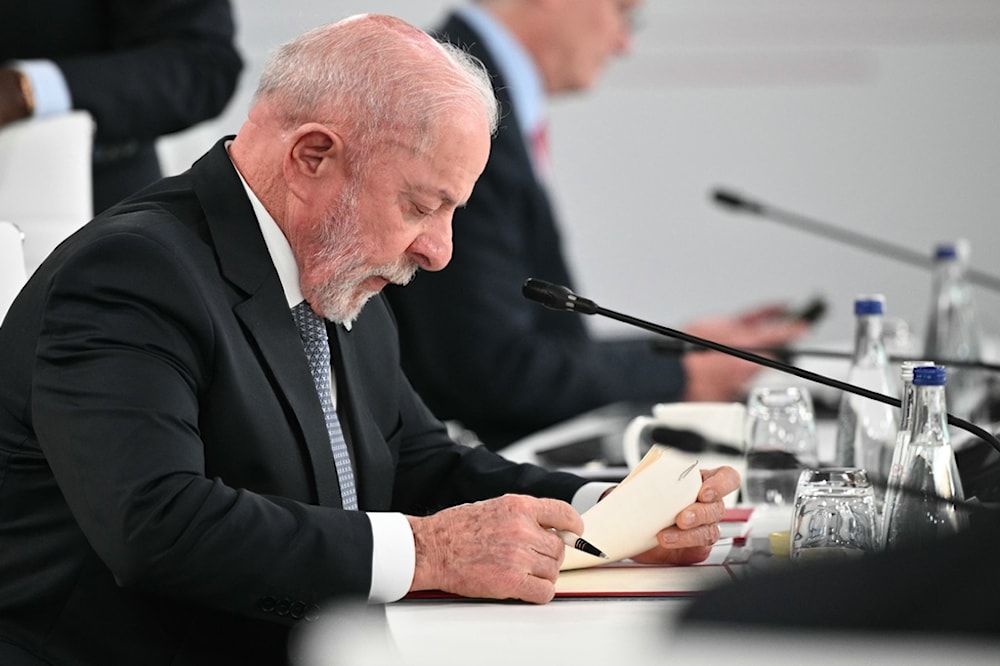
Brazil's President Luiz Inacio Lula da Silva attends a working session at the G7 summit, in Evian-les-Bains, France, on June 17, 2026. (Mandel Ngan/Pool Photo via AP)
The United States will impose a 25% tariff on certain imports from Brazil beginning July 22, marking the first use of President Donald Trump's new trade strategy under Section 301 of the Trade Act of 1974, US officials announced on Wednesday.
According to Reuters, the decision follows a year-long investigation by the Office of the US Trade Representative (USTR), which concluded that several Brazilian policies impose an unreasonable burden on US commerce. The probe examined Brazil's approach to digital trade, tariffs, intellectual property protections, market access for US ethanol, anti-corruption enforcement, and environmental policies related to deforestation.
US Trade Representative Jamieson Greer said the tariffs were necessary to protect American businesses and workers after negotiations between the two countries failed to resolve Washington's concerns. "Today's action is necessary to address these unfair trade practices to ensure American workers and companies can compete on a level playing field," Greer said in a statement.
Greer added that despite "extensive negotiations" over the past year, the two sides had failed to reach an agreement, although Washington remains open to further talks.
The move comes after months of negotiations that Reuters previously reported had produced little progress, with Brazilian officials expecting Washington to proceed with additional tariffs despite ongoing diplomatic efforts.
Rubio accuses Lula of failing to negotiate in good faith
US Secretary of State Marco Rubio defended the measures, accusing Brazilian President Luiz Inácio Lula da Silva of refusing to negotiate constructively with Washington. "The Brazilian government has not negotiated with the US in good faith," Rubio said, adding that Lula had "put his own ego ahead of making a deal for the welfare of the Brazilian people."
The tariffs represent the first trade action under Trump's renewed reliance on Section 301, a provision of US trade law that authorizes investigations into what Washington considers unfair foreign trade practices before imposing retaliatory measures.
The Trump administration has increasingly turned to Section 301 after the US Supreme Court earlier this year struck down many of the president's sweeping tariffs imposed under the International Emergency Economic Powers Act (IEEPA), ruling that Trump had exceeded his authority under that legislation.
Brazil condemns US move
Brazilian President Luiz Inácio Lula da Silva's government condemned the US decision, rejecting Washington's findings and denying that Brazil engages in unfair trade practices.
"The Brazilian government repudiates the decision announced today by the United States government regarding the imposition of 25 percent tariffs on Brazilian products," the presidency said in a statement on X, dismissing the allegations made in the USTR investigation.
Nota à imprensa sobre a imposição de tarifas unilaterais contra o Brasil pelos Estados Unidos
— Lula (@LulaOficial) July 16, 2026
O dia 15 de julho de 2026 passará para a história das relações entre Brasil e EUA como um marco lastimável.
O governo brasileiro repudia a decisão anunciada hoje pelo governo dos EUA…
Although the tariffs will apply to thousands of Brazilian products, the US has exempted several key goods that are either not produced domestically or are considered critical to maintaining supply chains. Exemptions include coffee, beef, oranges, orange juice, certain oil and gas products, and aerospace parts and components.
Brazil has also pointed out that the United States has maintained a trade surplus with the South American country in goods for several years, challenging Washington's justification for the new measures.
Trade tensions carry a political backdrop
The dispute has unfolded alongside growing political tensions between Washington and Brasília.
After the proposed tariffs were announced in June, Lula suggested the move was politically motivated, accusing Flávio Bolsonaro, son of former Brazilian President Jair Bolsonaro and an ally of Trump, of lobbying US officials against his administration ahead of Brazil's October elections.
The latest tariffs also follow a separate dispute in which Trump had previously imposed a 50% tariff on Brazilian goods under the IEEPA, citing Brazil's prosecution of Jair Bolsonaro over allegations that he sought to overturn his defeat in the 2022 presidential election.
The new Section 301 tariffs replace that legal framework with one grounded in alleged unfair trade practices, potentially providing the Trump administration with a stronger legal basis to maintain trade restrictions while negotiations with Brazil continue.


