
US Senate delays crypto bill vote until after August recess: Politico
 5 Min Read
The US Senate will delay a vote on the Clarity Act until September, as lawmakers remain divided over ethics rules and crypto regulation.
-
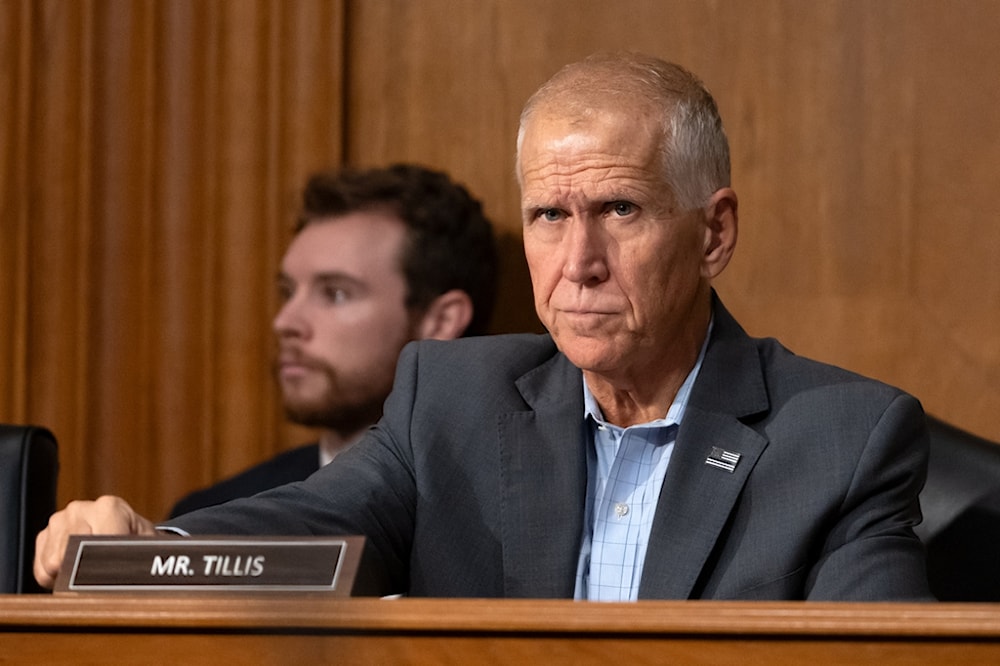
Sen. Thom Tillis, R-N.C., arrives for a hearing of the Senate Finance Committee on Capitol Hill, Thursday, July 30, 2026, in Washington. (AP Photo/Mark Schiefelbein)
The US Senate is set to leave Washington for its August recess without voting on a major cryptocurrency bill, dealing a setback to an industry that has made the legislation one of its top priorities in Congress.
Politico reported on Sunday that Senate Republicans had spent weeks signaling that the sweeping measure, known as the Clarity Act, was nearing a floor vote. However, lawmakers are now expected to postpone consideration until September.
The delay leaves senators with roughly three weeks before the midterm elections to resolve remaining disagreements over the 616-page legislation, which would establish a new regulatory framework for digital assets.
Delay raises doubts over Clarity Act
The postponement is one of several setbacks that have affected the bill over the past year, according to Politico, with months of bipartisan negotiations accompanied by intense lobbying from cryptocurrency companies and banks.
Sen. Thom Tillis, a retiring Republican from North Carolina who has played a key role in the negotiations, was reported by Politico as saying that the delay could substantially reduce the bill's chances of passing.
“I do think the odds drop precipitously,” Tillis said. “We leave for a month, we come back, we’ve got an election ahead of us. I think it gets difficult to get done.”
Republican senators have pledged to take up the legislation after returning from recess, while supporters maintain that there is still enough time to secure an agreement.
Sen. Cynthia Lummis, a Republican from Wyoming and a leading congressional supporter of cryptocurrency legislation, said Friday that she was frustrated by the delay but remained committed to the effort.
“We’ve come too far to quit now,” Lummis said, according to Politico. “I will continue working with my colleagues to get this done— this fight is far from over.”
Sen. Kirsten Gillibrand, a New York Democrat who has worked with Lummis on cryptocurrency legislation, also expressed optimism that the additional time could help resolve outstanding disagreements.
Gillibrand said the delay would give congressional staff more time to work with the White House, industry representatives, and senators to finalize the remaining provisions.
Democrats seek restrictions on Trump's crypto interests
About a dozen Democrats have indicated that they could support the legislation, but several major issues remain unresolved, Politico reported.
A key Democratic demand is an ethics provision that would restrict US President Donald Trump's ability to profit from cryptocurrency businesses associated with his family.
Republican Sen. Thom Tillis and Democratic Sen. Ruben Gallego of Arizona recently submitted a counterproposal to the White House addressing the issue, according to Politico. The proposal came after Democrats rejected earlier ethics language backed by Republicans and supported by the president's team.
The Tillis-Gallego proposal includes a divestment requirement that could force Trump to sell interests in some of his cryptocurrency businesses. It would also allow state attorneys general to sue the Justice Department over alleged failures to enforce the legislation's rules.
Politico reported that it remains unclear whether the White House and other Republican lawmakers would support the proposal, particularly provisions concerning Trump's potential divestment and the authority granted to state attorneys general.
Democrats are also seeking changes in response to concerns raised by law enforcement organizations, as well as amendments to provisions governing commodities under the jurisdiction of the Senate Agriculture Committee.
Sen. Cory Booker, a New Jersey Democrat involved in negotiations over the Agriculture Committee provisions, said a bipartisan agreement remained possible if lawmakers addressed the ethics issue. “I think there is a really good bipartisan pathway to getting this done if they will do on ethics what they should do, which is not allow a president or anybody else to grift off of their office,” Booker said, according to Politico.
Banking industry pressures lawmakers
The bill is also facing resistance from parts of the banking industry and some Republican senators.
Banking groups are seeking changes to cryptocurrency rewards programs, arguing that such products could resemble traditional checking and savings accounts.
At least two Republicans have indicated that they plan to oppose the legislation over concerns raised by banks that crypto rewards programs could encourage customers to move deposits away from traditional institutions and potentially reduce banks' lending capacity.
Politico also reported that The Wall Street Journal editorial board has recently sided with banks in the dispute, challenging cryptocurrency companies' claims that Wall Street groups are attempting to suppress competition.
Sen. John Kennedy, a Republican from Louisiana who supports the legislation and serves on the Senate Banking Committee, told reporters Friday that pressure from banks appeared to have caused some lawmakers to reconsider their positions.
“The pressure from the banks, this is just a general impression, has given some people pause,” Kennedy said, according to Politico.
Kennedy argued that postponing the vote was a mistake and warned that opposition to the legislation would continue during the recess. “It’s a mistake not to vote now,” he said, according to Politico. He added that he had been reading a critical Wall Street Journal editorial about the Clarity Act.
“With the delay,” Kennedy said, “the pressure’s just gonna continue.”


