
Russia warns Telegram has been compromised by foreign intelligence
 3 Min Read
Russia's FSB and digital minister warn that Ukrainian and Western intelligence services can access Telegram messages sent by Russian soldiers.
-
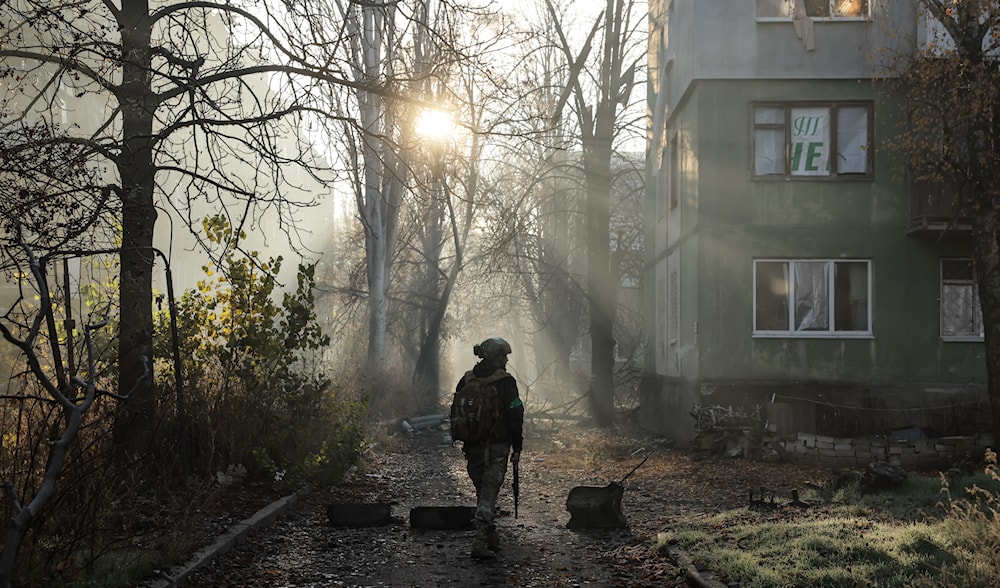
Ukrainian soldier goes along a street in the frontline town of Kostyantynivka, Donetsk region, Ukraine on November 15, 2025. (Oleg Petrasiuk/Ukraine's 24th Mechanized Brigade via AP)
Russia's Federal Security Service (FSB) is sounding the alarm over the use of Telegram by military personnel on the front lines, with senior officials claiming the popular messaging app has been penetrated by Ukrainian and Western intelligence services. The warnings come amid growing evidence that the platform has become one of the most consequential and contested digital battlegrounds of the Ukraine war.
Since the onset of the war, Telegram has served as a critical communications tool for both Ukraine and Russia. Ukrainian state bodies, including President Zelensky's office and security services, have used it for air-raid warnings, shelter maps, and rallying domestic and international support.
Civilian-run bots and channels have enabled ordinary Ukrainians to report Russian troop movements and vehicle positions directly to military intelligence, tips that Kiev has credited with enabling successful strikes on Russian forces.
On the Russian side, soldiers at the front have routinely turned to Telegram as an informal alternative to official communications systems, sharing coordination messages, situational updates, and videos. Russian "milblogger" channels have also proliferated on the platform, serving as a primary source of battlefield information for Russian troops and domestic audiences alike.
Moscow calls Telegram a security liability
Russian authorities have grown increasingly vocal about the risks. The FSB stated that Ukrainian armed forces and intelligence agencies are capable of obtaining information posted on Telegram "in the shortest possible time," using it to identify positions and movements of Russian personnel. The agency said its findings were based on reliable information gathered through monitoring of the platform's wartime use, and warned that such disclosures have directly threatened soldiers' lives.
Russia's digital development minister, Maksud Shadayev, went further, telling Interfax earlier this week that "there are numerous indications that foreign intelligence agencies have access to the messenger's correspondence and are using this data against the Russian military." Despite the alarm, Shadayev said authorities would stop short of a full block on Telegram for troops, acknowledging they would need time to transition to alternative platforms.
The FSB has also previously found that Kiev's agents exploited loopholes to create fake identities and spread disinformation, while using SIM-boxes, devices running dozens of SIM cards, for scams and other operations.
In 2025 alone, more than 50,000 SIM cards registered to fake identities were seized. Russian security services have further alleged that since the escalation of the conflict, Ukrainian intelligence agencies used both Telegram and WhatsApp to recruit operatives to carry out attacks inside Russia.
Why Telegram is considered vulnerable
Beyond political messaging, independent security researchers and investigative journalists point to concrete architectural weaknesses that make Telegram particularly susceptible to exploitation in a conflict environment.
The vulnerabilities extend beyond infrastructure. Because many Russian soldiers post photos, videos, and situational commentary to relatively public or poorly secured channels, open-source intelligence and military units on the Ukrainian side can scrape, geolocate, and analyze this material.
The platform's custom protocol leaves significant metadata exposed, including device identifiers, IP addresses, and timestamps, even when message content is encrypted. These data points can be harvested by state-level interception systems and used to map networks of accounts, infer unit locations, and generate targeting intelligence without ever breaking content encryption.


