
US delays China chip tariffs until 2027 amid trade strategy shift
 2 Min Read
The United States says it will impose tariffs on Chinese chip imports but will delay the announcement until June 2027, reflecting evolving semiconductor policy.
-
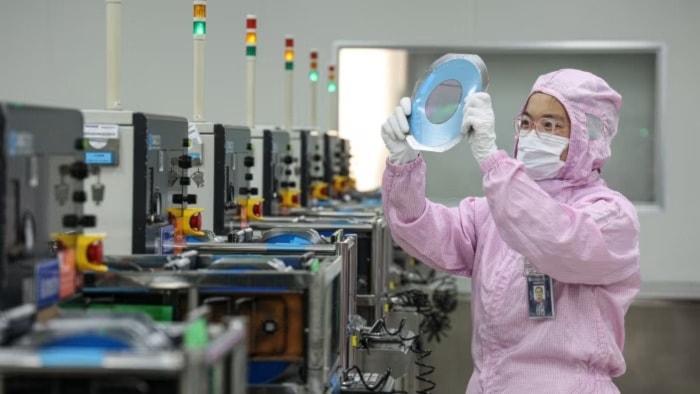
An undated photo of an employee at a semiconductor factory in Binzhou in China’s eastern Shandong province (STR/AFP/Getty Images)
The United States announced that it will impose new tariffs on Chinese semiconductor imports aimed at countering China’s bid for dominance in the global chip industry, but the implementation of those duties has been postponed until June 2027.
The tariff rate will be disclosed at least 30 days before the effective date, according to the official filing following a lengthy Section 301 investigation into China’s exports of “legacy,” or older technology chips.
The probe, initially launched under the Biden administration and carried forward by the Trump administration, concluded that China’s technology strategy burdens and restricts US semiconductor policy and commerce, giving Washington legal grounds to act.
While the threat of tariffs remains, the delay allows continued negotiation with Beijing, especially over export curbs on rare earth metals that are vital for technology supply chains.
Read more: US AI push strained by reliance on Chinese batteries: NYT
H2: Export controls and Nvidia AI chips in focus
As part of ongoing tech policy shifts, the administration has also reviewed Nvidia AI chip exports that could permit shipments of its second‑most powerful AI processors to China, despite opposition from China hawks in the US who fear these chips could enhance Chinese military capabilities.
Separately, the broader semiconductor sector is awaiting the outcome of a Section 232 national security review, which could lead to even wider tariffs on chip imports and devices containing them from around the world.
However, officials have indicated that further tariffs under that probe may also be delayed.
The Trump administration previously introduced steep semiconductor tariffs on Chinese imports, at times threatening rates as high as 100%, as part of efforts to pressure Beijing over perceived unfair trade practices and to protect domestic industries.
At the same time, US export restrictions have targeted a wider range of technology exports to China, including critical semiconductors and advanced design software.
These measures were intensified amid China’s restrictions on rare earth exports, deepening economic confrontation, and complicating negotiations. The expanded restrictions reflect an escalating US‑China supply chain competition that impacts global manufacturing and tech cooperation.


