
Dollar set for biggest drop as markets shift ahead of Iran-US talks
 3 Min Read
The US dollar heads for its biggest weekly loss since January, as investors await Islamabad talks and monitor fragile calm in the Strait of Hormuz.
-
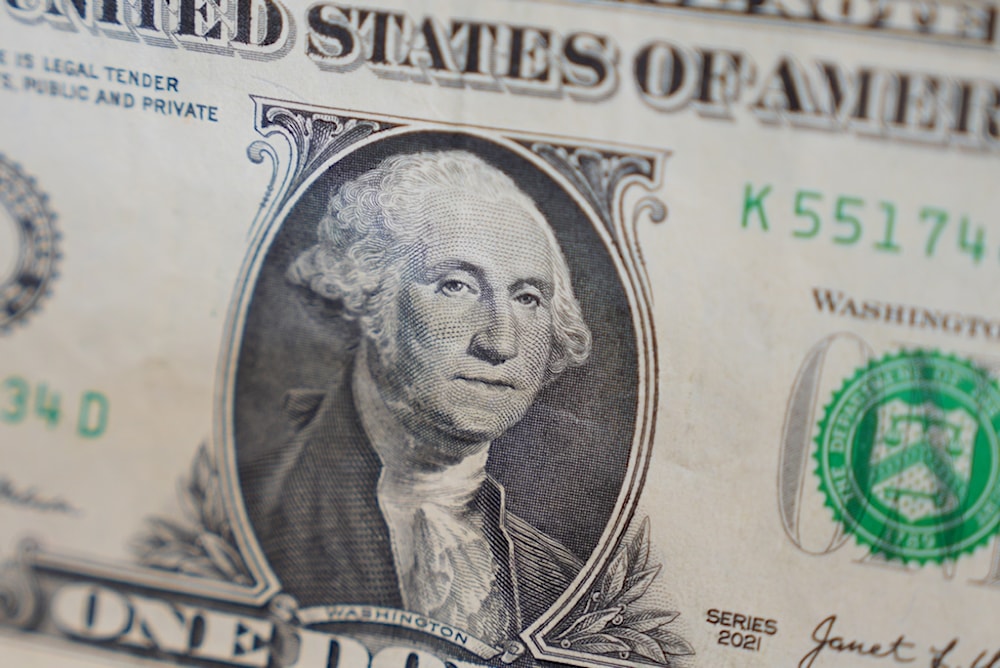
A portrait of George Washington is displayed on a U.S. one-dollar bill in Dallas, Tuesday, April 7, 2026. (AP Photo/LM Otero)
The US dollar is heading toward its largest weekly decline since January on Friday, as global currencies strengthen amid cautious optimism over the continuation of the ceasefire in the Gulf and expectations of a potential recovery in global energy flows through the Strait of Hormuz.
Markets are closely watching upcoming talks between Iranian and US delegations expected to take place in Islamabad, Pakistan, as both sides prepare to discuss prospects for a “lasting peace” aimed at easing tensions that disrupted global markets in March.
The dollar had posted strong gains last month as a safe-haven asset during the US-Israeli aggressive escalation against Iran, which triggered sharp spikes in oil prices and weighed on global equities and gold.
However, the announcement of a ceasefire earlier this week has shifted market sentiment. The dollar index has fallen by around 1.3% so far this week, while the euro, British pound, and commodity-linked currencies have strengthened.
Despite improving sentiment, concerns remain over the stability of global energy flows. In the first 24 hours of the ceasefire, only one oil tanker and five cargo ships passed through the Strait of Hormuz, compared with a daily average of around 140 vessels before the war.
Analysts say the situation remains highly fragile, warning that any breakdown in the weekend talks could quickly reverse recent gains and return volatility to global markets.
In parallel, the Chinese yuan rose to its strongest level since 2023, emerging as an unexpected winner during the war period despite China being the world’s largest oil importer.
Economists say the yuan’s performance reflects shifting dynamics in global currency markets during periods of geopolitical tension, as investors reassess exposure to major currencies amid regional instability.
IMF warns Iran war will slow global growth and fuel inflation risks
Similarly, the head of the International Monetary Fund (IMF), Kristalina Georgieva, warned yesterday that the ongoing war on Iran and the wider West Asia will significantly weigh on global economic growth this year, driven by damage to energy infrastructure and disruptions to supply chains.
Speaking ahead of next week’s spring meetings of the IMF and the World Bank, Georgieva said that even in the most optimistic scenario, the global economy will not return to pre-war conditions. “Even in a best case, there will be no neat and clean return to the status quo ante,” she said, adding that growth will be slower even if a peace agreement proves durable.
The IMF noted that a fragile two-week truce agreed between the United States and Iran could help limit some of the economic damage. However, Georgieva stressed that the broader consequences of the war are already embedded in global markets.
The fund’s last projections, issued in October, had already anticipated a slowdown in global growth to 3.1% this year, down from 3.2% in 2025. Georgieva said those forecasts are now likely to be revised downward due to the war’s impact on energy markets.
Read more: Oil prices rise amid doubts over durability of US-Iran ceasefire


