
Gold falls as oil, dollar rise following overnight strikes in Gulf
 3 Min Read
Gold slips 0.5% on Wednesday after Iran struck US forces in Bahrain and Kuwait, fading hopes for a near-term ceasefire.
-
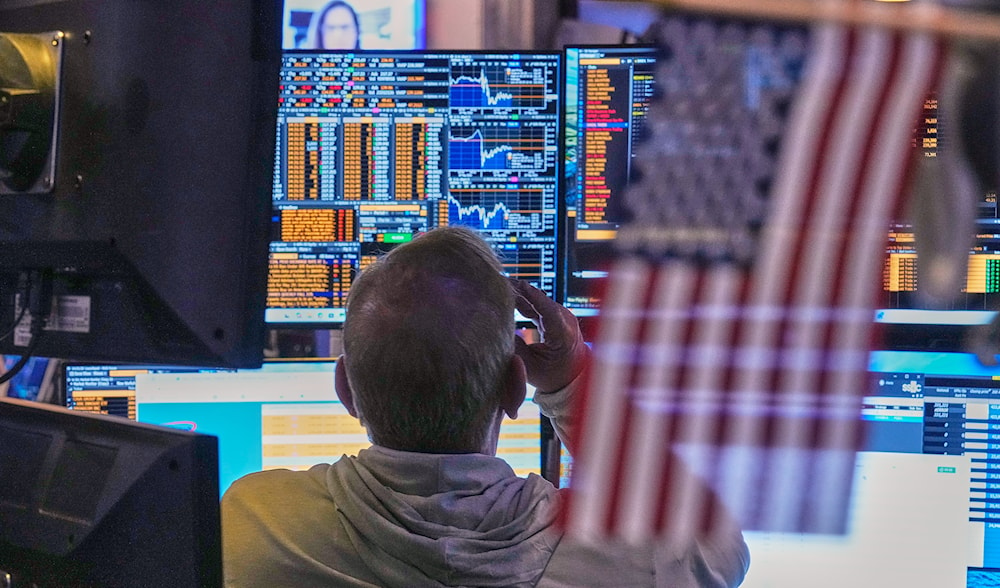
Trader Richard Cohen works on the floor of the New York Stock Exchange, Friday, May 29, 2026. (AP Photo/Richard Drew)
Gold prices fell on Wednesday as a stronger dollar and rising oil prices weighed on the metal, following a new round of military strikes across the Gulf that dimmed prospects for a near-term end to the US war on Iran.
Spot gold dropped 0.5% to $4,463.74 per ounce by mid-morning GMT, while US gold futures for August delivery slipped 0.6% to $4,492.00. Silver fell 1% to $74.37, platinum lost 0.4% to $1,929.80, and palladium declined 1.3% to $1,351.75.
The dollar rose 0.1% on Wednesday, making gold more expensive for buyers using other currencies. Oil extended gains for a third straight session, adding to inflation pressures that are already preventing the US Federal Reserve from cutting rates.
Gold is commonly bought as a protection against inflation, but that logic breaks down when interest rates are high, because bonds and cash start paying returns that gold cannot match.
"Gold is under pressure, knocking on the $4,450 support level due to renewed clashes in the Middle East. Fading hopes of an imminent US-Iran peace deal are likely to keep oil prices elevated," Lukman Otunuga, senior research analyst at FXTM, told Reuters.
IRGC retaliates
Iran's Islamic Revolution Guard Corps (IRGC) announced missile and drone strikes against the US Fifth Fleet headquarters in Bahrain and US military positions in Kuwait. The IRGC affirmed that the strikes were a direct response to a US attack on an Iranian oil tanker near the Strait of Hormuz and a strike on a telecommunications tower south of Qeshm Island.
On the diplomatic track, Trump told reporters that talks with Iran were moving forward. Iranian outlets Tasnim and Fars News rebuked Trump's claims, confirming that no Iranian response to the US draft agreement has been sent, that message exchanges have been suspended for several days, and that Tehran will not sign any deal that does not address the situation in Lebanon.
Markets betting on a rate hike
Before the US war on Iran began, markets had priced in two Fed rate cuts in 2026. That picture has reversed sharply, WITH traders now pricing in a 42% chance of a 25-basis-point rate hike by December, according to CME Group's FedWatch tool.
Cleveland Fed President Beth Hammack said Tuesday that the Fed may need to raise rates if inflation keeps climbing.
Friday's US nonfarm payrolls report for May is the next key data point. A strong jobs print, Reuters noted, could push more traders toward pricing in a December hike, adding further downward pressure on gold.


