
Rising US Treasury yields signal higher borrowing costs amid Iran war
 3 Min Read
US Treasury yields have surged above 4.4%, driven by rising energy prices and geopolitical tensions, increasing government borrowing costs and adding pressure on economic growth.
-
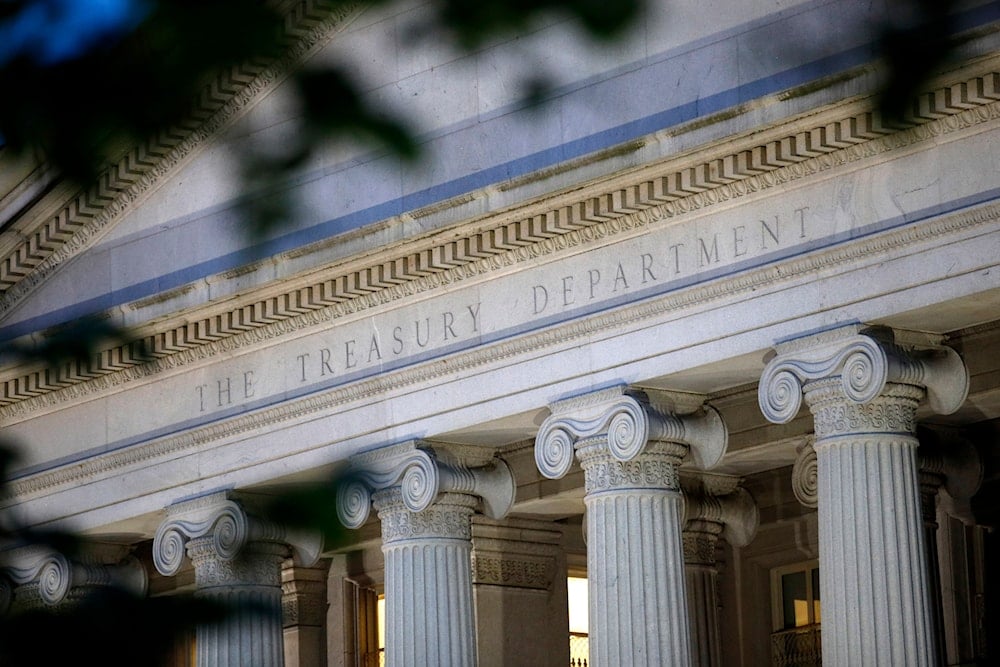
The US Treasury Department building at dusk on June 6, 2019, in Washington (AP)
US government borrowing costs are climbing as global appetite for US debt weakens, pushing interest rates higher and adding pressure on economic growth and affordability. The rise comes amid energy market volatility linked to the Iran war, alongside broader concerns over public debt and fiscal stability, Business Standard reported.
The benchmark 10-year US Treasury note has climbed above 4.44%, up from 3.95% before the Iran war began at the end of February.
This sharp increase in yields reflects a growing demand for higher returns from investors lending to the US government, signaling tighter financial conditions in the bond market and rising borrowing costs across the economy.
Drivers behind rising US government borrowing costs
Several factors are contributing to the upward pressure on US Treasury yields:
- Energy price shocks triggered by the war on Iran, which have intensified inflation concerns
- Rising US debt levels, increasing worries about long-term fiscal sustainability
- Reduced investor appetite for government bonds, reflecting greater risk sensitivity in global markets
Together, these forces are pushing borrowing costs higher as markets demand stronger compensation for holding US sovereign debt.
Impact on the US Economy
Higher Treasury yields have wide-ranging effects on the broader economy:
- Increased costs for government borrowing and debt servicing
- Higher interest rates across mortgages, loans, and credit markets
- Reduced affordability for households and businesses
- Potential slowdown in economic growth due to tighter financial conditions
As borrowing becomes more expensive, both public and private sector spending faces growing pressure.
Political implications ahead of midterm elections
The rise in borrowing costs is also emerging as a political factor ahead of November’s midterm elections.
Economic strain linked to higher interest rates and reduced affordability may increase scrutiny of fiscal policy under US President Donald Trump’s government. Rising costs of living and weaker growth conditions could become central issues shaping voter sentiment.
Energy market volatility tied to the Iran war is feeding directly into financial markets. Higher energy prices contribute to inflation expectations, which in turn influence bond yields. This interaction between energy shocks and sovereign debt markets is amplifying pressure on US Treasury bonds, reinforcing the upward trend in yields and tightening overall financial conditions.
With US Treasury yields now firmly above previous levels, markets are signaling sustained concern over inflation risks, debt dynamics, and geopolitical instability. The coming months will be critical in determining whether borrowing costs stabilize or continue to climb, further straining economic growth and political conditions.


