
Indonesia's Subianto heads to Moscow for talks with Putin on energy
 3 Min Read
Indonesian President Prabowo Subianto’s visit to Moscow underscores Jakarta’s push to secure stable oil supplies from Russia.
-
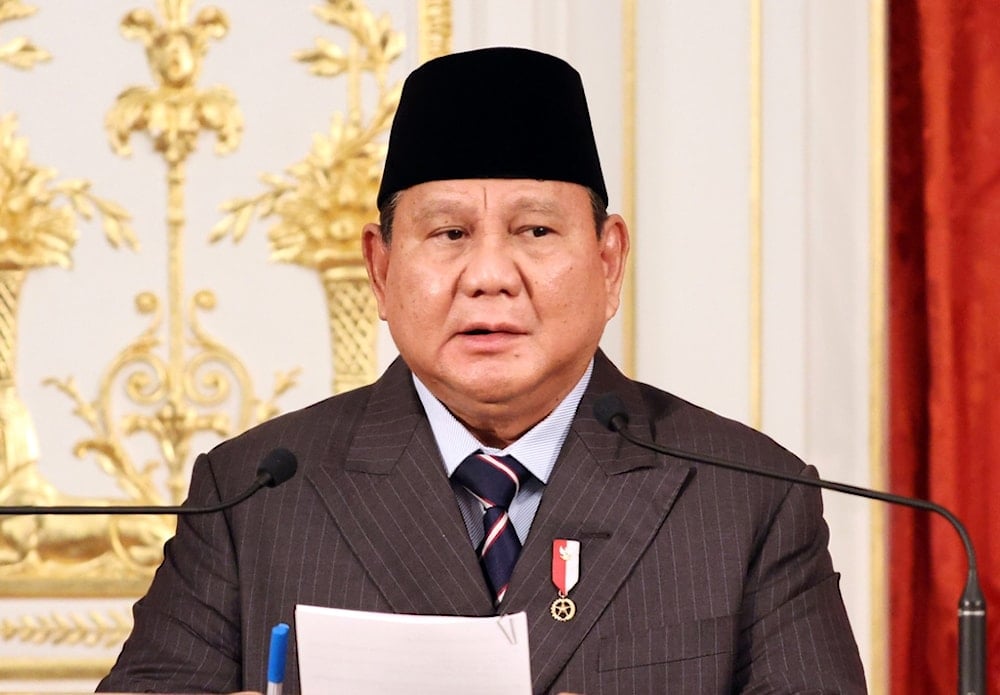
Indonesian President Prabowo Subianto announces a statement after he talked with Japanese Prime Minister Sanae Takaichi at the Akasaka guesthouse in Tokyo Tuesday, March 31, 2026 (AP)
Indonesian President Prabowo Subianto traveled to Moscow ahead of a scheduled meeting with Russian President Vladimir Putin, with discussions set to cover energy cooperation and broader strategic issues, officials said on Sunday.
The Kremlin confirmed that Putin will receive Subianto in Moscow on April 13, as both sides seek to deepen bilateral engagement.
In a statement shared on social media, the Indonesian government said, "The two leaders will discuss a range of strategic issues, including energy security, continued cooperation with the Russian government, and ensuring stable national energy supplies, including oil."
The visit comes as Jakarta explores options to secure reliable energy resources, with oil supply expected to feature prominently in the talks.
Energy shock pressure
The timing of the trip coincides with mounting global energy instability linked to the ongoing war on Iran, which has disrupted markets and raised concerns over the security of key maritime routes, including the Strait of Hormuz. The resulting surge in oil prices has placed additional strain on Indonesia’s economy, which remains heavily reliant on imported energy.
Rising crude costs have increased Indonesia’s fuel import bill and intensified pressure on the government’s subsidy system, while also contributing to higher inflation across transport, food, and essential goods. At the same time, global financial volatility tied to the war has weakened the rupiah, making energy imports even more expensive and adding to broader economic pressures.
Officials and analysts have warned that prolonged instability could further erode Indonesia’s trade balance and fiscal position, as higher oil prices increase import costs and force greater state spending to shield consumers from price shocks.
Against this backdrop, securing stable and affordable oil supplies has become a more urgent priority for Jakarta, giving added weight to Subianto’s discussions in Moscow.
Regional energy shift
Indonesia’s approach mirrors a broader regional trend, particularly across Asia, where major economies are recalibrating their energy strategies in response to the same disruptions. India, for instance, has expanded its purchases of Russian crude while also diversifying imports from suppliers such as Iran and Venezuela, seeking to reduce exposure to potential supply shocks linked to instability in the Gulf.
Similarly, several Southeast Asian countries have moved to increase engagement with alternative energy partners, including Russia, as governments attempt to secure reliable supplies amid uncertainty surrounding key shipping routes. The shift reflects a wider effort among import-dependent economies to reduce reliance on any single source and to hedge against prolonged volatility in global energy markets.
Beyond energy, Subianto is also expected to raise regional and global developments. According to the government, discussions will include geopolitics and Indonesia’s approach to maintaining international stability.
"In a constantly changing global environment, this meeting is of crucial importance," the statement added.
Subianto is accompanied by a senior delegation that includes Foreign Minister Sugiono, Energy and Mineral Resources Minister Bahlil Lahadalia, and State Cabinet Secretary Teddy Indra Wijaya.
Read more: Indonesia could withdraw from BoP if it fails to benefit Palestinians


