
Japan may tap reserves to keep gasoline subsidies afloat
 3 Min Read
The subsidies work by paying oil wholesalers directly to keep retail prices near the government's target, rather than issuing rebates to consumers.
-
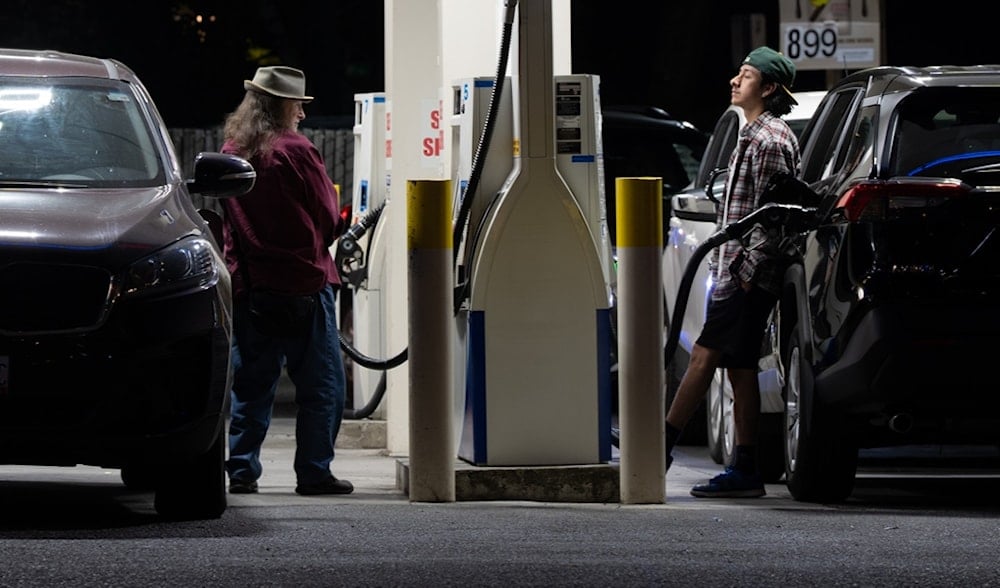
People fill up fuel tanks at a gas station on May 6, 2026, in Portland, Ore. (AP Photo/Jenny Kane, File)
Japan is considering withdrawing several hundred billion yen (several billion dollars) from its reserve fund to keep its gasoline subsidy program running, Kyodo News reported Tuesday, as the fallout from the US war on Iran continues to strain the country's energy budget.
Officials expect a funding shortfall as early as August. The withdrawal would allow Tokyo to maintain the subsidies that have kept gasoline prices capped at 170 yen per liter (approximately $1.04).
The government is also weighing whether to raise that cap to 175 yen per liter starting in September, while the subsidy system itself would be extended through October.
Subsidy fund running low
The gasoline subsidy pool was originally set at 1.16 trillion yen ($7.1 billion) when the program was relaunched in March, after energy prices spiked in the wake of the US war on Iran. By the end of June, the fund had shrunk to 380 billion yen. Officials project it will fall further, to just 190 billion yen, by the end of July.
The subsidies work by paying oil wholesalers directly to keep retail prices near the government's target, rather than issuing rebates to consumers.
Japan's public broadcaster NHK reported the government spent roughly 290 billion yen (roughly $1.78 billion) on fuel subsidies in May alone, a pace officials say the original fund cannot sustain much longer.
Wider reserve tied to regional fallout
The additional money would come from a separate reserve fund built into Japan's fiscal year 2026 supplementary budget, which runs from April 2026 through March 2027. That budget, totaling 3.1135 trillion yen (about $19.4 billion), set aside 2.5 trillion yen (roughly $15.3 billion) specifically to respond to shocks stemming from the US war on Iran and the wider disruption it has caused across West Asia.
The gasoline program is one part of a broader package of state support meant to shield households and businesses from rising import and fuel costs. The same supplementary budget includes 513.5 billion yen for utility subsidies between July and September and 100 billion yen in grants to local governments.
The repeated need to draw on reserves underscores how the economic fallout from the US war on Iran has outlasted Tokyo's initial response, forcing the government to keep financing price controls even as the original subsidy pool runs dry.


