
Japan approves $3 billion package to ease energy costs
 3 Min Read
Japan has approved $3 billion in emergency spending to subsidize electricity and gas bills as the war on Iran and continued closure of Hormuz drive up energy costs.
-
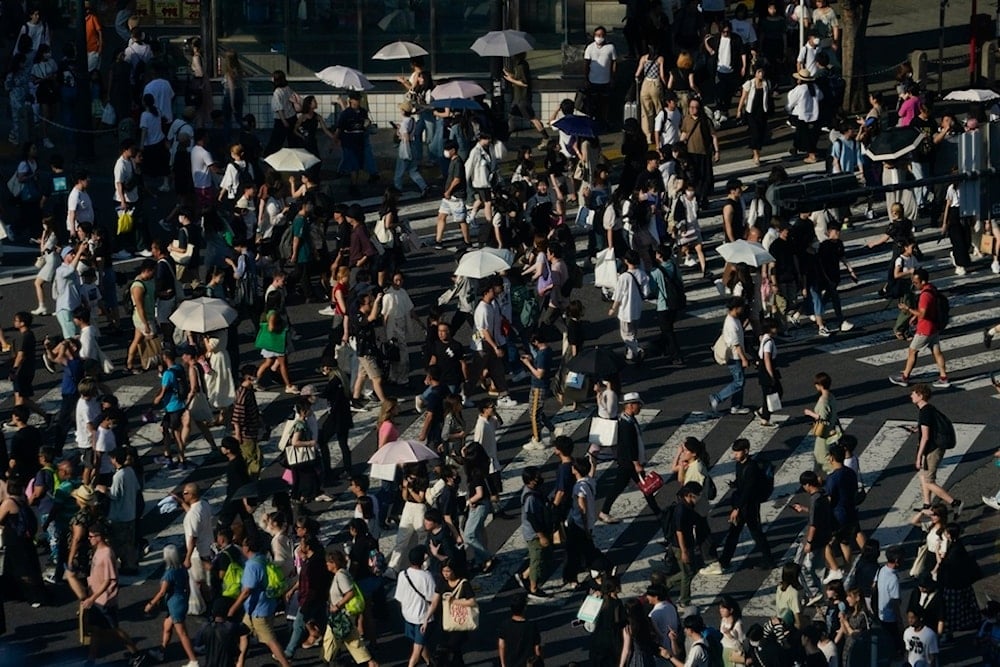
People carry umbrellas to shield themselves from the sun as they walk across an intersection Monday, July 17, 2023, in Tokyo. (AP Photo/Kiichiro Sato)
The government of Japan approved nearly $3 billion in emergency spending on Tuesday to support households facing rising electricity and gas bills amid escalating instability in West Asia and mounting pressure on global energy markets.
Officials said the package, worth 513.5 billion yen, will subsidize utility costs between July and September as fuel prices continue to rise due to the US-Israeli war on Iran and the disruptions to the Strait of Hormuz.
Speaking to reporters after a Cabinet meeting in Tokyo, Deputy Chief Cabinet Secretary Masanao Ozaki confirmed the approval of the spending plan.
"We approved the spending of 513.5 billion yen at the Cabinet meeting today" to support electricity and gas bills between July and September, Ozaki stated.
The measures come as Japanese households face increasing financial pressure from inflation and elevated import costs tied to energy market volatility.
Read more: Toyota profits take $4.2 bln hit from US war on Iran
Hormuz tensions deepen energy concerns
Like many Asian economies, Japan remains heavily dependent on imported fuel from West Asia, leaving it particularly vulnerable to instability affecting maritime energy routes.
Tokyo has moved to mitigate the economic fallout stemming from the blockade of the Strait of Hormuz, one of the world’s most strategically significant shipping corridors for oil and liquefied natural gas exports.
Iran initially imposed a blockade against vessels linked to the US and Israeli hostilities against the country. Following the ceasefire announced on April 8, Washington imposed its own blockade on Iran as punishment for its utilization of its own geographic leverage.
The ongoing war on Iran intensified fears of prolonged supply disruptions and sustained increases in fuel prices across global markets.
Ozaki said authorities do not currently expect major increases in utility bills during the coming weeks, though he warned that rising import costs would likely become more visible later in the year.
"Even as the situation in the Middle East remains uncertain, we will do our utmost to ensure there is no disruption to people's daily lives or economic activity," he said.
Government prepares broader economic relief measures
The latest subsidies were approved one day after Japanese Prime Minister Sanae Takaichi announced plans for a broader economic support package aimed at countering inflation and surging consumer prices.
Tokyo is reportedly preparing an additional budget worth approximately $19 billion to address rising costs for essential goods and shield households from worsening economic pressures.
Officials said the utility support measures will be funded through reserve allocations already included in the current fiscal year’s budget.
Takaichi also stated on Monday that the government expects to maintain stable oil supplies through next spring despite the worsening regional climate.
The announcement reflects growing concern among Asian governments over the long-term economic consequences of instability in West Asia and the potential impact on energy security.


