
Oil falls as Iran talks raise hopes of easing Hormuz disruption
 4 Min Read
Oil prices extend their decline as diplomatic efforts involving Iran and Qatar raise hopes of reopening the Strait of Hormuz and easing global supply disruptions.
-
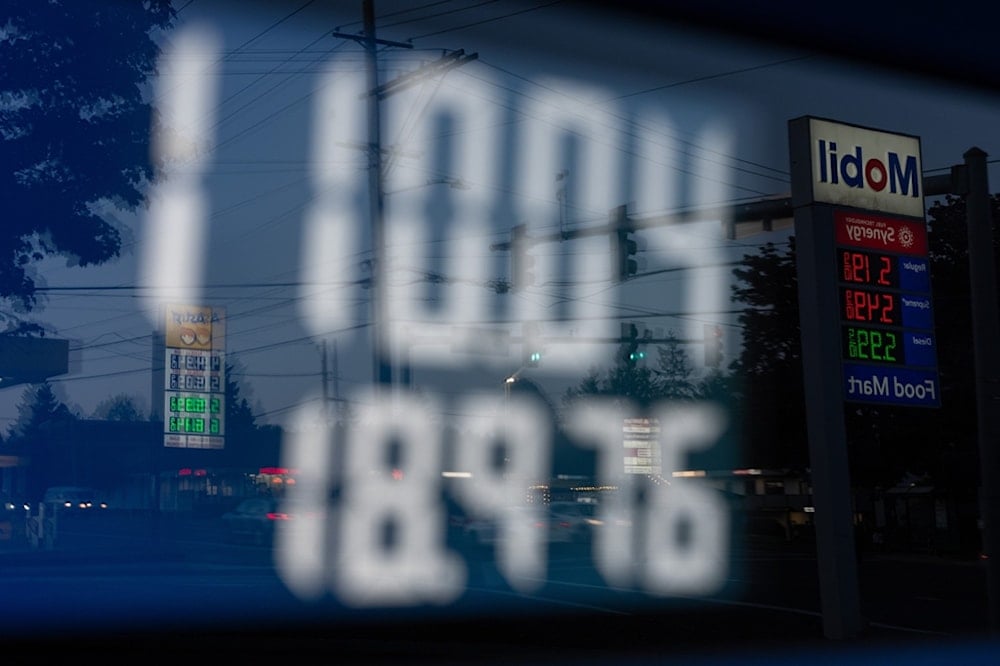
A display shows $110.04 for gasoline on a fuel pump at a Mobil gas station on Wednesday, April 29, 2026, in Portland, Ore. (AP Photo/Jenny Kane, File)
Oil prices fell further on Thursday as expectations of renewed diplomatic efforts involving Iran and Qatar raised hopes that the Strait of Hormuz could eventually reopen, easing disruptions to global energy supplies.
Brent crude futures fell 41 cents, or 0.5%, to $87.43 a barrel at 3:30 GMT, putting the benchmark on track for a fourth consecutive session of declines. West Texas Intermediate crude futures dropped 37 cents, or 0.5%, to $81.86 a barrel, its fifth straight day of losses.
The decline came as markets weighed efforts to resolve the war in West Asia, which has severely disrupted oil and gas shipments through the Strait of Hormuz, a key route for global energy supplies.
Hormuz reopening remains in focus
Iran and Oman are working to finalize details of an agreement concerning the Strait of Hormuz, a senior Iranian source said on Wednesday, as reported by Reuters. Iran's Revolution Guards Corps had earlier said the two countries had agreed on how to share control of the waterway, which connects major Gulf oil producers with international markets.
Before the US-Israeli war on Iran began on February 28, the strait carried oil and natural gas shipments equivalent to about one-fifth of global consumption of the fuels. Since Iran moved to shut the waterway in response to the conflict, oil flows have fallen to about one-quarter of their pre-war level, according to ship-tracking data.
"Crude oil edged lower as the prospect of the Strait of Hormuz reopening improved amid ongoing talks," said Daniel Hynes, senior commodity strategist at ANZ, in a note on Thursday, but he cautioned "concerns over shortages in the oil market persist".
Qatar's prime minister is due to travel to Iran on Thursday to relaunch diplomatic talks aimed at ending the conflict, which has lasted nearly six months.
The US has halted its attacks on Iran for about a month while seeking to increase economic pressure on Tehran, boosting investor expectations that disruptions to Gulf energy supplies could ease. However, Iran and the United States remain far apart over the terms for ending the war.
On that note, Iranian officials have said the strait would not reopen unless the US agreed to the terms of an interim ceasefire reached in June that later unraveled.
Oil supply risks remain
"At the heart of the dispute remains Iran's nuclear programme and that is unlikely to be resolved quickly ... Iran also understands the importance of its geographical position and the leverage that the Strait of Hormuz provides, so the risk of prolonged uncertainty remains," said Priyanka Sachdeva, head of market insights at Phillip Nova.
"As long as the risk to supply remains, some degree of war premium can continue to be priced into oil."
Hynes also highlighted the impact of the war in West Asia and the Russia-Ukraine war on global diesel markets. Refineries in West Asia have been damaged during the war, while Ukraine has struck several Russian refineries, reducing exports from Russia, which had been a major global diesel supplier.
The reduction in global diesel production is also appearing in inventory data. The US Energy Information Administration reported on Wednesday that distillate stockpiles, including diesel and heating oil, fell by 2.2 million barrels in the week to August 21, reaching 103.4 million barrels.
Hynes said the level was the lowest distillate stockpile ever recorded for this time of year.


