
Shell, BP, TotalEnergies pocket $4.75bln from chaos amid war on Iran
 3 Min Read
Shell, BP, and TotalEnergies make massive profits from energy market volatility, even as households worldwide struggle with soaring fuel costs.
-
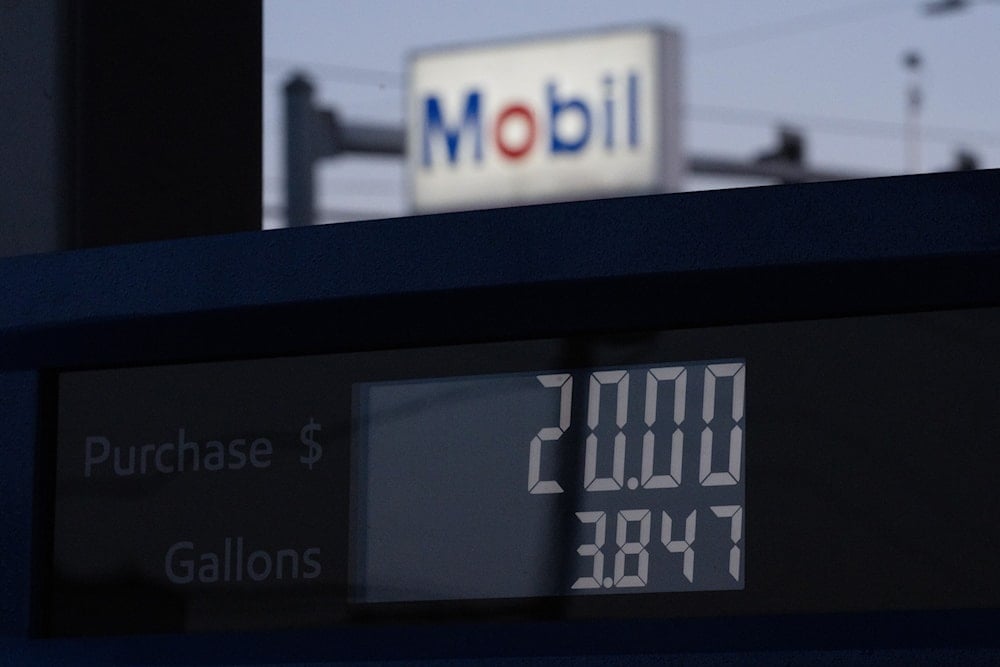
A display shows $20 for gasoline on a gas pump at a Mobil gas station on Wednesday, April 29, 2026, in Portland, Ore (AP)
Europe's three largest oil companies, Shell, BP, and TotalEnergies, have earned up to $4.75 billion in additional profits from the energy market turmoil triggered by the US-Israeli war on Iran, as sharp price swings created lucrative opportunities for their trading divisions, according to an analysis of five market experts cited by the Financial Times.
Analysts compared the companies' first‑quarter trading gains to the final three months of 2025. They concluded that BP's trading division benefited the most from the volatility, pocketing an estimated $1.75 billion in extra earnings. Shell added approximately $1.6 billion to its trading revenues, while TotalEnergies saw a roughly $800 million boost.
The calculations highlight how major energy firms have profited immensely from the global supply disruptions caused by the war, even as consumers around the world face soaring fuel bills and inflation.
Quarterly profits surge across the board
The companies’ official first-quarter reports confirm dramatic year-on-year profit increases. BP’s net profit jumped 5.6-fold, rising to $3.8 billion. Shell posted a 19 percent increase, reaching $5.7 billion. TotalEnergies recorded a 50 percent profit surge, climbing to $5.8 billion between January and March 2026.
These windfall profits come as the US‑Israeli war on Iran continues to choke the Strait of Hormuz, through which approximately one-fifth of the world's oil normally flows.
Iran has repeatedly stated that its closure of the waterway is a lawful defensive measure under international law, taken in response to unprovoked US‑Israeli aggression that began on February 28.
Energy crisis fuels corporate gains while households struggle
The war has triggered the largest energy shock since the 1970s, with oil prices spiking above $100 per barrel and natural gas markets in turmoil. European governments have scrambled to shield households from record inflation, while critics accuse energy companies of exploiting a humanitarian crisis for shareholder profits.
The Financial Times analysis underscores a familiar pattern of the fossil fuel industry: war and instability drive prices upward, and trading desks positioned to exploit volatility reap outsized rewards. Meanwhile, ordinary consumers pay the price at the pump, and developing economies face acute shortages of fuel, fertilizer, and raw materials.
Iran has maintained that the only real solution is an end to the US‑Israeli aggression and the lifting of the illegal naval blockade on Iranian ports, not temporary market fixes that enrich corporate executives while leaving global energy supplies in peril.
Read more: Exclusive: Trump pushing oil prices higher to trigger global chaos


