
Trump’s posts on Iran lose influence over oil markets
 3 Min Read
Oil markets are becoming less responsive to Trump’s posts on Iran and the Strait of Hormuz as traders increasingly focus on developments on the ground.
-
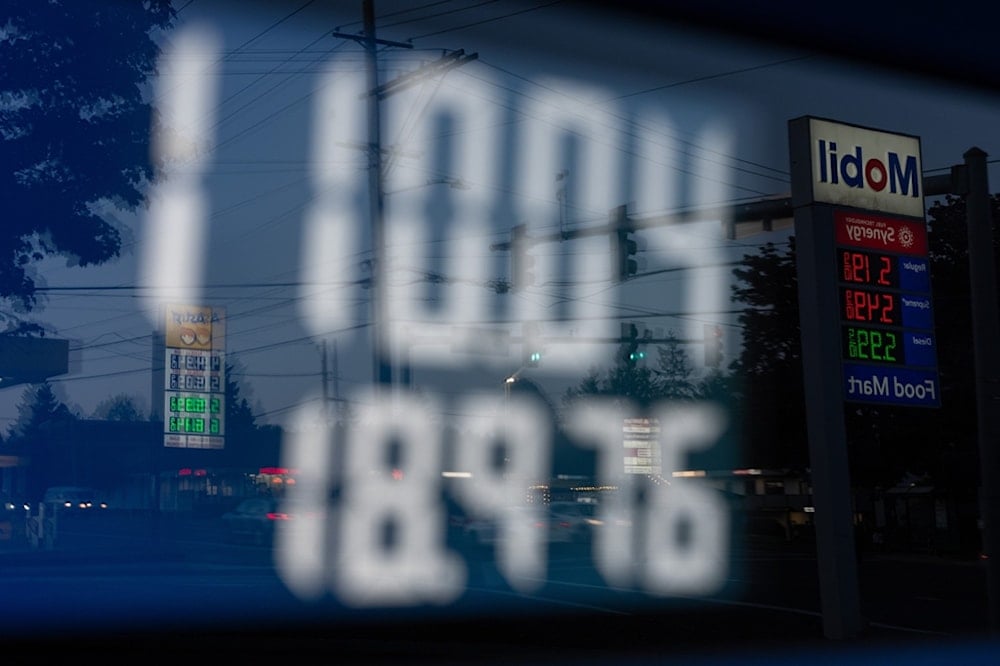
A display shows $110.04 for gasoline on a fuel pump at a Mobil gas station on Wednesday, April 29, 2026, in Portland, Ore. (AP, File)
Oil markets are becoming less responsive to US President Donald Trump’s social media posts about Iran and the Strait of Hormuz, an Axios analysis revealed, suggesting that traders are increasingly looking to developments on the ground rather than presidential statements.
The analysis examined 269 posts on Truth Social between February 28 and August 19 that mentioned Iran or the Strait of Hormuz, tracking changes in Brent crude futures prices before and after the posts.
In the early stages of the Iran war, Trump’s posts had a more pronounced impact on oil prices as traders faced uncertainty over US policy and the potential for disruptions to crude shipments through the strategic waterway.
Oil market reaction to Trump posts weakens
Oil analyst Ben Cahill said markets initially faced an "information vacuum" and "overreacted" to many of Trump's posts as traders sought clues about Washington's intentions and the potential impact on global energy supplies.
"For months now, the market has been tuning out social media posts because they just don't reflect the reality on the ground," said Cahill, a senior fellow with the Atlantic Council.
Cahill said Trump's statements regarding the Strait of Hormuz, US policies, and the objectives of the war have often shown "zero correlation" with the actual volume of oil moving through the waterway.
Axios found that the average five-minute change in Brent crude futures during the period studied was 0.2%. However, the average change in the five minutes after a Trump post mentioning Iran or Hormuz, or after the next market opening, was almost four times higher at 0.73%.
The analysis also found that this market reaction has diminished over time, indicating that traders have become less inclined to respond sharply to Trump's social media statements.
Trump’s influence on oil markets faces limits
Trump's posts have nevertheless demonstrated their ability to move energy markets rapidly, particularly during periods of heightened uncertainty surrounding the Iran war and oil supplies.
Truth Social has also begun charging Wall Street firms up to $1.2 million annually for access to its data, including Trump's posts, providing traders with potentially faster access to market-moving statements. The service has faced litigation.
Cahill said the White House initially appeared successful in influencing market expectations and helping push oil prices lower through its messaging, but that effect has weakened.
"In the first couple months, I think the White House was quite successful in controlling the narrative and talking down the oil prices," Cahill said. "But it has lost its effect."
The decline in Trump's influence over oil prices could also have political implications, as Democrats are expected to use energy costs as an issue against Republicans ahead of the US midterm elections.


