
US aggression deepens Hormuz crisis, sending oil demand lower
 3 Min Read
US aggression on Iran and the subsequent closure of the Strait of Hormuz deepen supply disruptions, drive fuel prices higher, and push global oil demand lower.
-
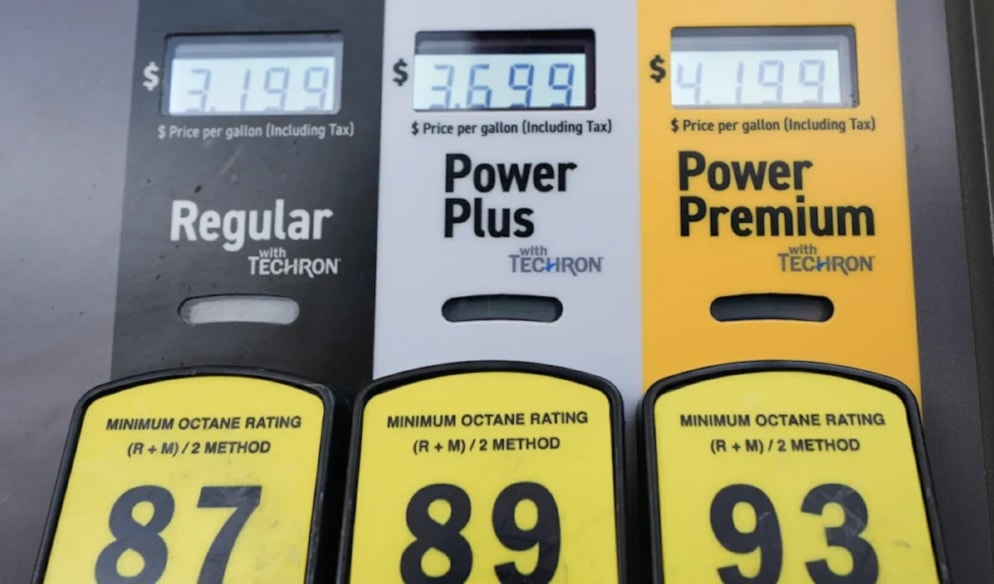
Fuel prices are shown on a gas pump at a filling station in Richardson, Texas, on March 6, 2026. (AP)
Global oil demand is expected to decline more sharply than previously projected this year as disruptions linked to the closure of the Strait of Hormuz continue to weigh on the market, the International Energy Agency said on Wednesday.
The IEA now expects global oil demand to fall by 1.6 million barrels per day in 2026, an increase of 510,000 barrels per day from its previous forecast issued in July.
The agency said that elevated fuel prices will continue to suppress consumption, while demand is expected to strengthen over the course of the year and return to growth during the final quarter.
The situation surrounding the Strait of Hormuz remains unresolved, as the US aggression on Iran continues. “Renewed hostilities and maritime disruptions” are hindering efforts to increase global oil supplies, the IEA said on Wednesday, adding that global supply remained 6.3 million barrels per day below year-earlier levels in July.
Crude prices remain volatile
The supply disruptions have contributed to sharp swings in crude prices. Brent crude, the international benchmark, climbed above $100 a barrel last month before dropping to around $70.
It was last trading just below $90 a barrel.
Concerns that the closure of the strait in March could trigger a severe global oil shortage have so far failed to materialize. The IEA pointed to several factors, including a steep decline in Chinese oil imports, the use of alternative transportation routes and withdrawals from existing inventories.
US crude inventories fell below 300 million barrels this week, according to data released Monday, marking their lowest level in more than four decades.
Refining constraints hit consumers
Crude price increases have remained relatively limited as traders continue to respond to signs that a potential agreement could be reached. Analysts have warned, however, that such support for prices may not last indefinitely.
Consumers are already facing higher costs as refining capacity has become severely constrained. Refinery availability plays a key role in determining the prices of products including gasoline and diesel.
IMF lowers global growth outlook
The International Monetary Fund has reduced its annual global economic growth forecast to 3%, down from 3.3% following the outbreak of the Iran war in February.
IMF Managing Director Kristalina Georgieva said earlier this year that “all roads now lead to higher prices and slower growth.”
The deepening oil shock underscores the far-reaching economic consequences of US aggression against Iran, as Washington’s confrontation with Tehran continues to disrupt vital energy routes and weigh on global markets.
Read more: Strait under strain: A short history of the Hormuz Strait


