
US issues temporary license for Iran oil, petrochemicals transactions
 2 Min Read
The US Treasury’s OFAC has issued a general license permitting certain transactions involving Iranian crude oil and petrochemical products through August 21, 2026.
-
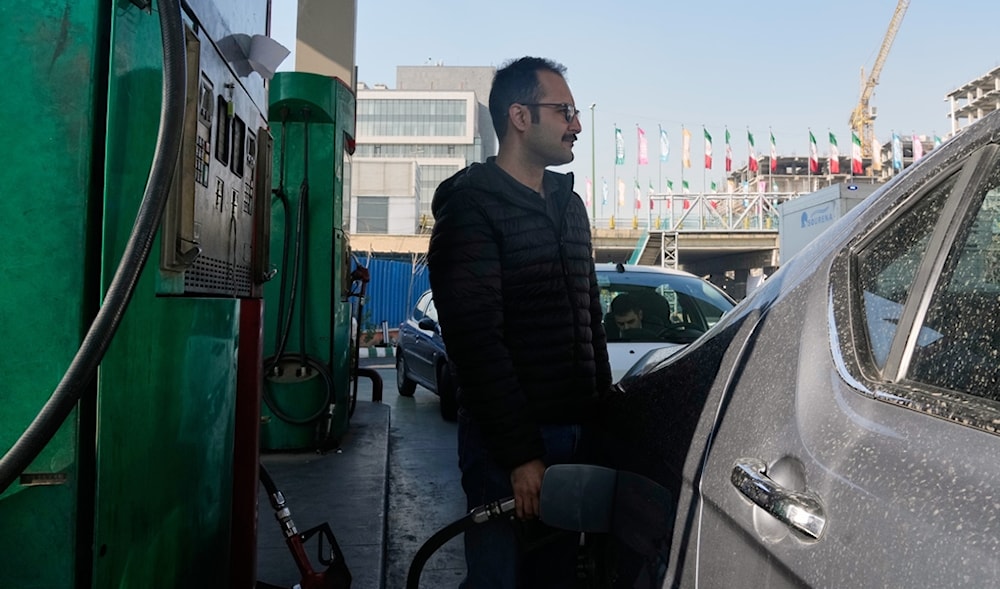
A man fills his car at a gas station in Tehran, Iran, Saturday, Dec. 13, 2025. (AP)
The United States has issued a general license authorizing certain transactions related to the sale and movement of Iranian crude oil and petrochemical products through August 21, 2026, according to the US Department of the Treasury’s Office of Foreign Assets Control (OFAC).
The notice, published on Monday, permits a range of activities ordinarily prohibited under US sanctions frameworks, including transactions necessary for the production, sale, delivery, and offloading of crude oil, petrochemical products, and petroleum products of Iranian origin. The authorization also covers transactions involving vessels that are otherwise blocked under existing sanctions authorities.
According to OFAC, the license is effective until 12:01 a.m. Eastern Daylight Time on August 21, 2026.
The authorization also allows the import into the United States of Iranian-origin crude oil, petrochemical products, and petroleum products, provided that the transactions are directly connected to their sale, delivery, or offloading.
View this post on Instagram
However, the license explicitly excludes transactions involving individuals and entities linked to the DPRK, Cuba, Crimea, and designated Russian regions, maintaining existing restrictions on those jurisdictions.
Global oil prices dip amid reported progress in talks
Global oil prices already fell on Monday following reports that US and Iranian officials had made progress in peace talks, with Brent crude dropping 1.7 percent to $79 a barrel and WTI declining 0.9 percent to $75 a barrel.
The price dip came after mediators confirmed that US-Iran negotiations concluded constructively in Switzerland overnight, with technical talks set to continue this week. Qatar and Pakistan announced that the two sides had established a "line of communication" for the Strait of Hormuz, raising hopes for stability at the critical oil trade chokepoint.
Oil traders have been closely monitoring how negotiators handle the reopening of the Strait of Hormuz. There are signs that traffic through the waterway has increased slightly over the past 24 hours, according to data from MarineTraffic reviewed by CNN.
Read more: Baghaei: Panel to oversee Lebanon, oil, sanctions provisions


