
US SPR hits new record low, falls below 300mln barrels amid Iran war
 3 Min Read
US SPR stocks have reached their lowest level since 1983, as the war on Iran and disruptions through Hormuz force the US to draw heavily on emergency crude supplies.
-
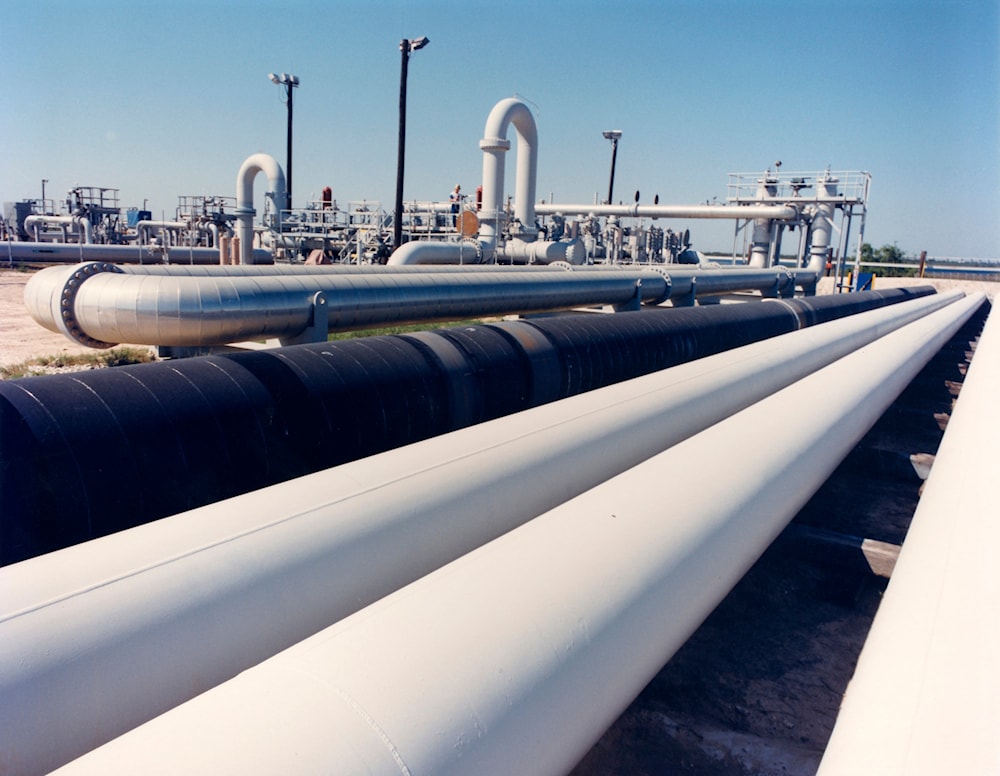
An undated photo provided by the Department of Energy shows crude oil pipes at the Bryan Mound site near Freeport, Texas (Department of Energy via AP)
US emergency crude stockpiles have fallen to their lowest level in more than four decades, as Washington continues drawing heavily on the Strategic Petroleum Reserve amid severe disruptions to global oil supplies caused by the war on Iran.
According to CNBC, citing Department of Energy data released Monday, the SPR declined by 6.1 million barrels last week to 298.7 million barrels, taking the reserve below the 300-million-barrel mark for the first time since January 1983.
The decline follows President Donald Trump’s decision in March to authorize the release of 172 million barrels after Iran sharply restricted oil flows through the Strait of Hormuz in retaliation for the US-Israeli aggression.
Before the start of the war, the reserve contained roughly 415 million barrels. Once the current release is fully carried out, government crude stocks are expected to fall to around 243 million barrels.
The SPR has an authorized storage capacity of 714 million barrels.
Questions grow over usable US reserves
Although the stockpile remains well above the minimum level required for the reserve to continue operating, concerns are mounting over how much of the remaining crude could actually be accessed during another major supply emergency.
An Energy Department spokesperson told CNBC in July that approximately 70 million barrels are required for the SPR to operate safely.
David Goldwyn, who served as a State Department special envoy for international energy affairs under former President Barack Obama, said Washington still has sufficient capacity for another emergency release.
“I’m not worried about the stability of the reserve or our ability to do another drawdown, if we needed to,” Goldwyn told CNBC.
However, aging infrastructure has further complicated the picture.
A Government Accountability Office report issued in May found that more than one-quarter of SPR inventories were unavailable for withdrawal as of December 2025 because of construction work and outages affecting storage caverns.
Based on current stockpile levels, Rapidan Energy estimated in a July analysis that at least 103 million barrels could be inaccessible.
“The SPR’s drawdown, distribution and fill capabilities are currently limited and are at risk going forward due to longstanding issues with aging infrastructure compounded with ongoing major construction intended to address them,” the GAO warned in the report.
Repeated drawdowns strain reserve infrastructure
The latest depletion comes after successive US administrations increasingly relied on the SPR to counter major disruptions in global energy markets.
Former President Joe Biden authorized the release of 180 million barrels following Russia’s military operation in Ukraine in 2022, at the time the largest drawdown in the reserve’s history.
The GAO later described that operation as an “unplanned stress test” for the system.
Frequent releases can also accelerate deterioration of the infrastructure used to extract and distribute crude from the reserve, Goldwyn said.
“When you do a drawdown, then you accelerate kind of the degradation of the wells themselves and some of the equipment,” Goldwyn said. “It’s like anything else — you use it a lot, you have to maintain it.”
Read more: Trump drains US oil reserve to mask costs of Iran war: RS


