
Richest 1% burn through 2026 carbon emissions share in first 10 days
 3 Min Read
An Oxfam analysis reveals the world's richest 1% used up their annual carbon budget just 10 days into 2026, deepening the global climate justice crisis.
-
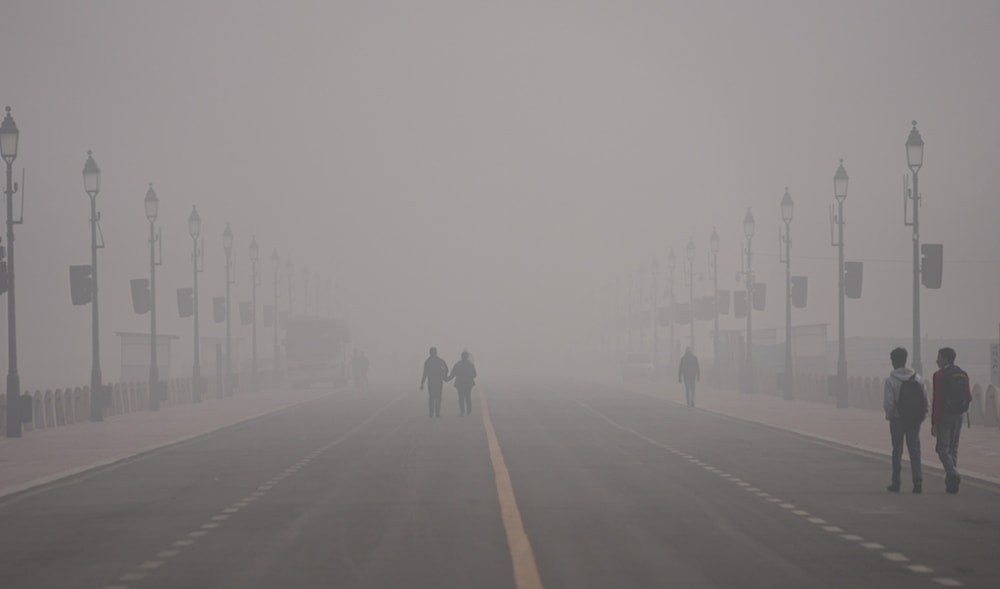
People walk through smog in New Delhi, India, December 15, 2025. (AP)
Just 10 days into 2026, the world’s richest 1% have already used up their fair share of the global carbon budget, according to a new analysis by Oxfam. The report underscores the stark carbon inequality that defines the climate crisis, with the richest 0.1% exceeding their annual share in just three days.
Oxfam warns that while the wealthiest continue to fuel global warming at disproportionate rates, it is those least responsible, especially communities in low-income countries, Indigenous groups, women, and girls, who suffer the most from the resulting climate breakdown.
Lower- and middle-income countries remain on the frontlines of the climate crisis. Oxfam estimates that global economic damage linked to emissions could reach £44 trillion by 2050. These countries, which contribute the least to carbon pollution, face the highest risks, from extreme weather to food insecurity and displacement.
UK’s role in carbon inequality
In the context of Britain, the richest 1% produce more carbon emissions in just eight days than the poorest 50% do in an entire year, the report says. Oxfam is urging the UK government to confront the role of its wealthiest individuals and corporations in worsening the climate crisis.
Beth John, climate justice advisor at Oxfam GB, stressed the need for urgent policy changes. “Repeated opportunities to make the richest pay their fair share for climate action have been missed in the UK, but there is still so much that can be done,” she said.
Call for fair taxation on major polluters
Oxfam has called on the UK chancellor to introduce measures to “increase taxes on climate-polluting extreme wealth”. The report argues that such steps are essential to curb emissions and support a just transition to a green economy.
“The wealthiest individuals and corporations hold disproportionate power and influence,” Oxfam said, pointing to high-carbon lifestyles and polluting investments such as private jets and fossil fuel ventures.
On average, a billionaire’s investment portfolio results in 1.9 million tonnes of CO2 annually, roughly equal to the emissions of 400,000 petrol-powered cars.
Urgent emissions cuts needed to meet climate goals
To meet the Paris Agreement target of limiting global warming to no more than 1.5°C above pre-industrial levels, the richest 1% would need to cut their emissions by 97% by 2030.
The Climate Action Tracker update, released ahead of the COP30 talks in Belém, Brazil, found that governments’ new emission-cutting plans are failing to prevent dangerous global heating for the fourth consecutive year. The anticipated 2.6°C rise far exceeds the Paris Agreement targets and would thrust the world into a “catastrophic new era of extreme weather and severe hardships.”
A separate analysis from the Global Carbon Project (GCP) predicts fossil fuel emissions will rise by about 1% this year, although the rate of increase has slowed compared with previous decades. Coal, oil, and gas emissions grew by 0.8% annually over the past decade, down from 2% in the prior 10 years. Renewable energy deployment is now close to meeting the world’s annual energy demand growth, but has yet to surpass it.


