
Belgium, Netherlands restrict imports from Israeli settlements
 4 Min Read
Belgium and the Netherlands move to restrict goods from Israeli settlements in the occupied West Bank, joining a growing European push.
-
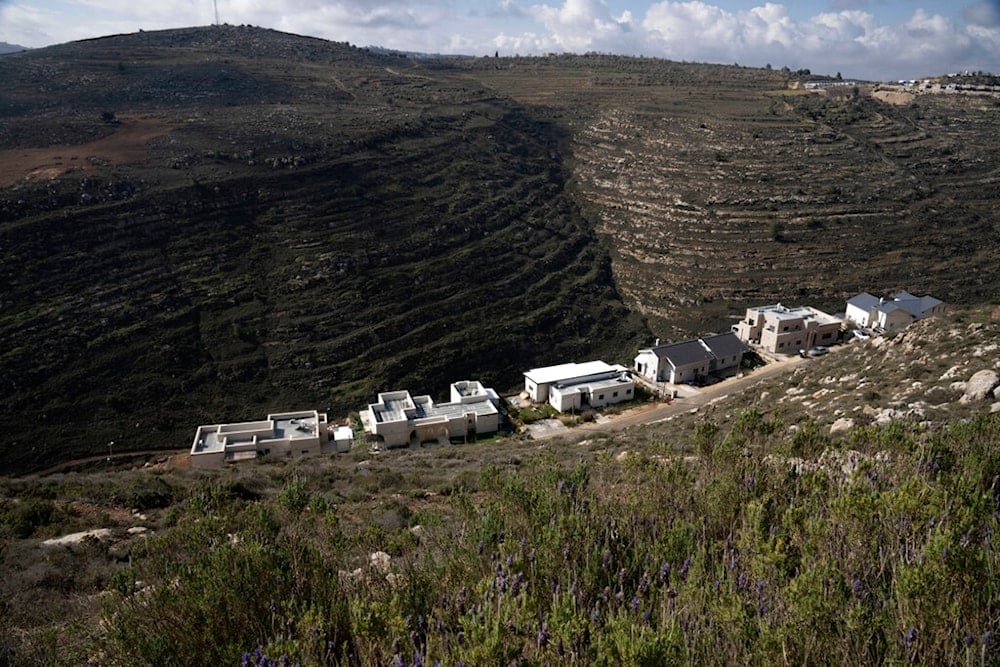
Houses sit on a hill at the occupied West Bank settlement outpost of Givat Harel, occupied Palestine, Thursday, February 16, 2023 (AP)
Belgium and the Netherlands have introduced measures to restrict imports of goods originating from Israeli settlements in the occupied West Bank, adding to a growing European push to limit trade with settlement enterprises, Tasnim reported.
The Netherlands' ban took effect on September 22, while Belgium has adopted a decree establishing a system to systematically deny import authorization for goods that are shown, or reasonably suspected, to originate from settlements in the occupied Palestinian territory.
The measures place Belgium and the Netherlands alongside Ireland, Spain, and Norway, which have previously taken similar steps concerning settlement products.
Belgium, Netherlands target settlement products
Under the Belgian measure, authorities will be able to deny import authorization where goods are established or reasonably suspected to have originated in Israeli settlements.
The Dutch restrictions took effect on September 22, further expanding European measures targeting products originating from settlements in the occupied West Bank.
The latest decisions come as European governments face increasing pressure to address economic ties with settlements established in occupied Palestinian territory.
European restrictions on settlement goods expand
Belgium and the Netherlands are joining a broader group of European states seeking restrictions on settlement products.
Ireland, Spain, and Norway have already introduced similar measures, while 12 countries, including the United Kingdom, France, and Canada, announced this month that they would introduce or support national or European restrictions targeting goods from Israeli settlements.
The measures reflect growing international scrutiny of economic activity connected to settlements in the occupied West Bank.
ICJ opinion underpins growing trade measures
The restrictions also follow a July 2024 advisory opinion by the International Court of Justice, which found the continued presence of the Israeli occupation in the occupied Palestinian territory unlawful.
The court called on states to take steps to prevent trade or investment relations that contribute to maintaining the situation created by the Israeli occupation.
The latest European measures therefore add to a wider international effort to limit economic relations connected to Israeli settlements in the occupied Palestinian territory.
Settler attacks in the West Bank surged by 63%
Palestinian towns and villages record escalating attacks by Israeli settlers, some of them armed, in the Nablus, Ramallah and Salfit governorates, coinciding with intensified incursions in occupied al-Quds, according to reports monitored during the period.
In the Nablus governorate, settlers attacked residents' homes in the al-Dahra area of Beita town in the southern part of the governorate, while others, including armed settlers, stormed lands in the village of Umm Safa, northwest of Ramallah.
In al-Mazra'a Al-Gharbiya, northwest of Ramallah, an armed settler stormed residents' lands and began bulldozing and vandalizing, coinciding with settlers releasing their livestock between the towns of Silwad and Yabrud, northeast of Ramallah, in an attack targeting agricultural lands and threatening their owners' source of livelihood.
Armed settlers also stormed the outskirts of the village of Burqa, east of Ramallah, while others attacked residents' homes in the village of Yasuf, east of Salfit. The attacks were distributed over a short period of time across more than one area and affected different aspects of Palestinian life.
These field attacks come within a broader context revealed by official figures. The Wall and Settlement Resistance Commission documented 4,286 settler attacks during the first seven months of 2026, an increase of 63% compared with the same period in 2025.


