
Ceasefire with US reflects 'clear strategic defeat': Velayati
 3 Min Read
Iranian official Ali Akbar Velayati says the US ceasefire decision reflects a strategic defeat, warning of a strong response to any violation.
-
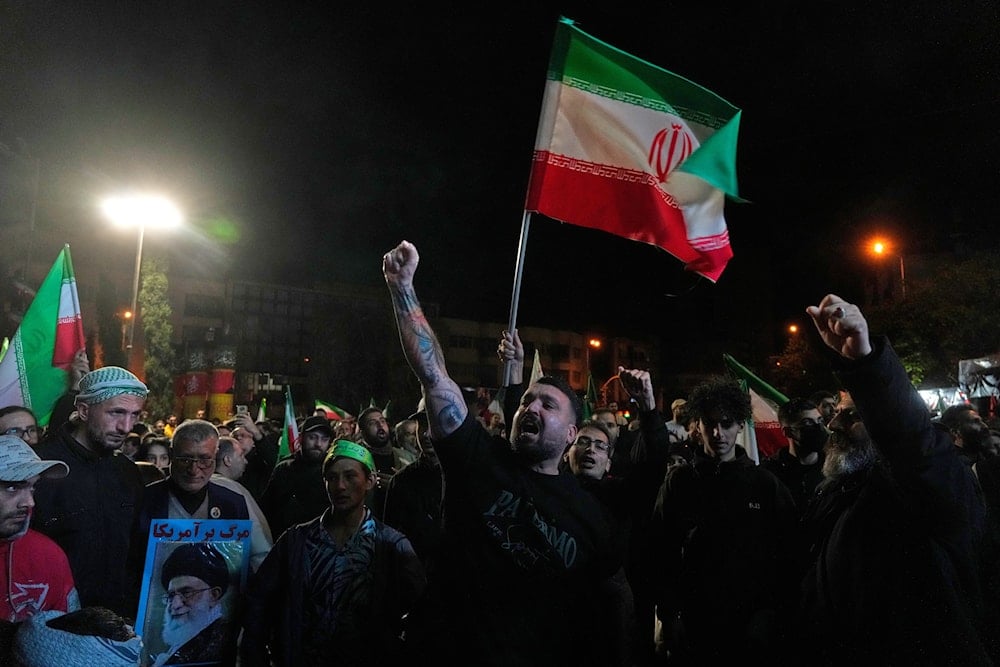
Iranian demonstrators chant slogans as they hold Iranian flags and a poster of the late Leader Sayyed Ali Khamenei after announcement of a two-week truce with the US, at the Enqelab-e-Eslami Square, in Tehran, Iran, April 8, 2026 (AP)
The United States’ being forced to accept a ceasefire reflects a clear strategic defeat for the US administration, advisor to the Leader of the Islamic Revolution and the Islamic Republic of Iran, Ali Akbar Velayati, stated on Wednesday.
In a post on X, Velayati stated: “The armed forces of the Islamic Republic of Iran remain, as on the first day, at the highest level of readiness." He warned that any miscalculation by the “Hebrew-Arab-American front” in violating the ceasefire would be met with a decisive and deterrent response from Iran.
۱) امریکا ناچار به پذیرش آتشبس شد؛ واقعیتی که بیانگر یک شکست راهبردی آشکار است.
— Aliakbar Velayati (@Drvelayati_ir) April 8, 2026
نیروهای مسلح جمهوری اسلامی ایران، همچون روز نخست، در بالاترین سطح آمادگی قرار دارند و در برابر هرگونه خطای محاسباتی از سوی جبهه عبری-عربی-آمریکایی در نقض آتشبس، پاسخی قاطع و بازدارنده خواهند داد.
Addressing what he described as a shifting global balance of power, Velayati said the move toward a multipolar world order has altered Iran’s international standing. He stated, “In the new global balance of power and the shift toward a multipolar order, Iran is no longer merely a country; rather, it is playing the role of the central axis of the Islamic pole.”
Iran secures ceasefire on its own terms
On April 8, Iran's steadfastness and retaliatory operations forced the US into a two-week ceasefire. The agreement followed intense negotiations and regional mediation, with Iran agreeing to suspend defensive operations if US and Israeli attacks are halted.
The ceasefire also allows safe passage through the strategically vital Strait of Hormuz under Iranian coordination, ensuring continued maritime traffic while maintaining military and technical oversight. Iranian Foreign Minister Abbas Araghchi highlighted the role of Pakistan’s leaders in facilitating the agreement.
Araghchi stated that the ceasefire reflects the sacrifices of Iranian forces and the enduring support of the population since the start of the war. He cited US acceptance of the general framework of Iran’s 10-point proposal as a key basis for negotiations.
Iran’s demands under the ceasefire emphasize non-aggression guarantees, control over the Strait of Hormuz, recognition of its uranium enrichment rights, and relief from primary and secondary sanctions. The country also seeks termination of UN resolutions it views as punitive.
Tehran further calls for compensation for damages, the withdrawal of US forces from the region, and the end of aggression on all fronts, including in Lebanon. These measures aim to secure Iran’s national security, economic stability, and regional influence.
Iran's SNSC congratulates Iranians on ceasefire
Meanwhile, Iran’s Supreme National Security Council congratulated Iranians on the historic diplomatic breakthrough after agreeing to a two‑week ceasefire with the United States, while stressing that unity and resilience remain essential until all terms are fully finalized.
In its official statement, the Council said Washington has accepted the outlines of a ceasefire framework that includes commitments on non‑aggression, continued Iranian control of the Strait of Hormuz, recognition of uranium enrichment, and the lifting of primary and secondary sanctions.
The Council also highlighted that further negotiations will begin in Islamabad to turn these principles into binding agreements, reinforcing the need for perseverance and national cohesion throughout the process.
Iranian state media and the Council’s statement praised allied resistance groups in the region and said the ceasefire marks a significant moment in the long confrontation, while noting that the truce is temporary and subject to the details being fully secured.


