
EU disagreements deepen divisions at Brussels summit, no deal reached
 4 Min Read
EU leaders remain divided over energy prices, Ukraine funding, China competition, and the bloc’s seven-year budget at a summit in Brussels.
-
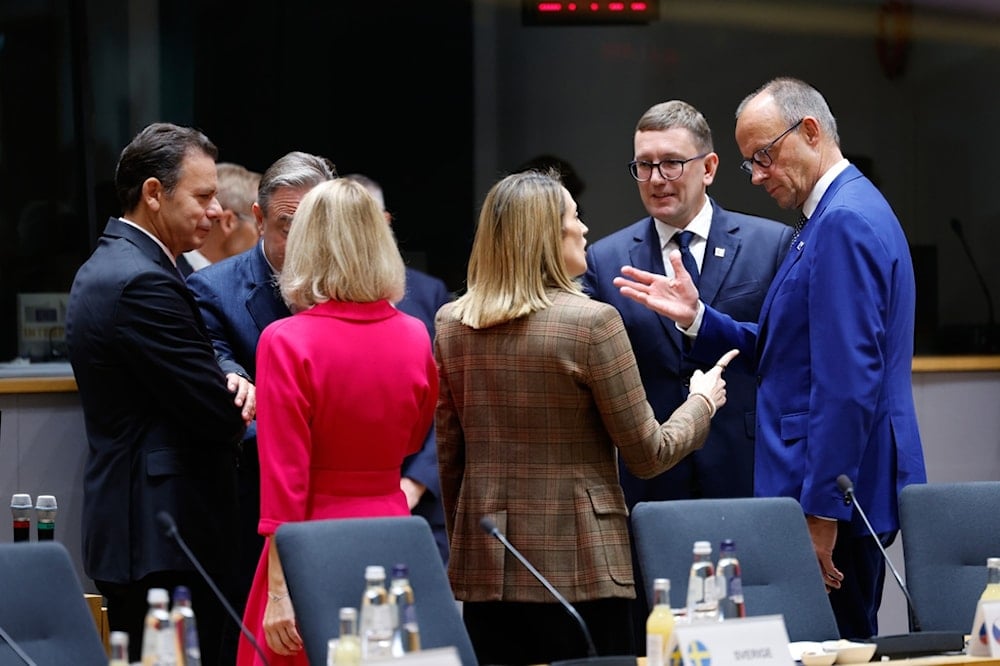
Portugal's PM Luis Montenegro, Belgian PM Bart De Wever, EU foreign policy chief Kaja Kallas, European Parliament chief Roberta Metsola, Estonian PM Kristen Michal, and German Chancellor Friedrich Merz at the EU summit in Brussels, Oct. 15, 2026 (AP)
Disagreements among European Union leaders over energy policy, competition with China, and the bloc’s seven-year budget prevented them from holding a closing news conference on the first day of their summit in Brussels.
The talks continued for more than 14 hours without agreement on how to manage the energy file, as rising prices put growing pressure on European economies. Southern European countries are seeking additional financial assistance for consumers affected by higher energy costs, amid concerns that protests that began in France could spread to other European countries.
These countries also want support for companies, some of which are considering moving their operations outside Europe because of rising costs. The European Commission, however, opposes allocating additional funds to offset higher energy prices.
The summit also exposed divisions over Ukraine. Ahead of joining the second day of the meeting, President Volodymyr Zelensky presented a list of demands that included additional weapons and financial assistance needed before the onset of winter.
Kiev has exhausted the 90 billion euros approved by the EU last year and says the funding shortfall will become very large at the start of next year.
European divisions over US-Russia diesel deal
EU leaders also differed over a deal between Russian President Vladimir Putin and US President Donald Trump to release 300,000 tons of diesel onto US and global markets. EU leaders broadly rejected the agreement, saying it serves the interests of the "Russian war in Ukraine."
Most EU countries, however, welcomed the part of the agreement concerning a halt to attacks on energy facilities in Russia and Ukraine. The Baltic states, which are geographically close to Russia, rejected that position, with some declaring their support for Zelensky in targeting Russian facilities.
The summit began Thursday with disputes over how to curb a sharp rise in energy prices, establish a budget that preserves the bloc’s competitiveness, and address a major increase in Chinese exports, which European leaders have linked to job losses.
The meeting is taking place amid growing economic concerns. Fuel prices have risen sharply since the start of the US-Israeli war on Iran, putting financially constrained governments under further pressure as companies face difficulties, while Europe also seeks to strengthen its defenses and support Ukraine.
The US-Russia diesel deal at a glance
US President Donald Trump announced a diesel supply agreement with Russian President Vladimir Putin on October 9, 2026, saying Moscow would release more than 300,000 metric tons of diesel to US and global markets immediately.
The announcement followed a discussion between the two leaders and came as Washington sought to bring down fuel prices ahead of the November 3 US midterm elections. Russia was also expected to supply another 500,000 tons in November, followed by an additional one million tons.
To facilitate the deal, the US Treasury Department issued a general license temporarily allowing imports of Russian diesel, easing restrictions imposed on Russian energy exports following the outbreak of the war in Ukraine in February 2022. Russia, meanwhile, partially relaxed its own diesel export restrictions on October 10, with shipments beginning to resume through its Baltic ports.
The agreement drew criticism from Ukrainian President Volodymyr Zelensky and European officials, who argued that restoring Russian fuel exports would generate revenue for Moscow while the war in Ukraine continued. The deal also heightened tensions over Kiev's attacks on Russian oil refineries, which Trump linked to pressure on fuel supplies.
Most EU leaders opposed the agreement, while welcoming the separate understanding concerning a halt to attacks on Russian and Ukrainian energy infrastructure.


