
Fifth Qatari LNG tanker crosses Hormuz as shipments continue flow
 3 Min Read
Ship-tracking data shows a fifth Qatari LNG tanker has crossed the Strait of Hormuz, bringing the total number of loaded LNG vessels since the start of the war to nine, according to Kpler, LSEG, and Vortexa data.
-
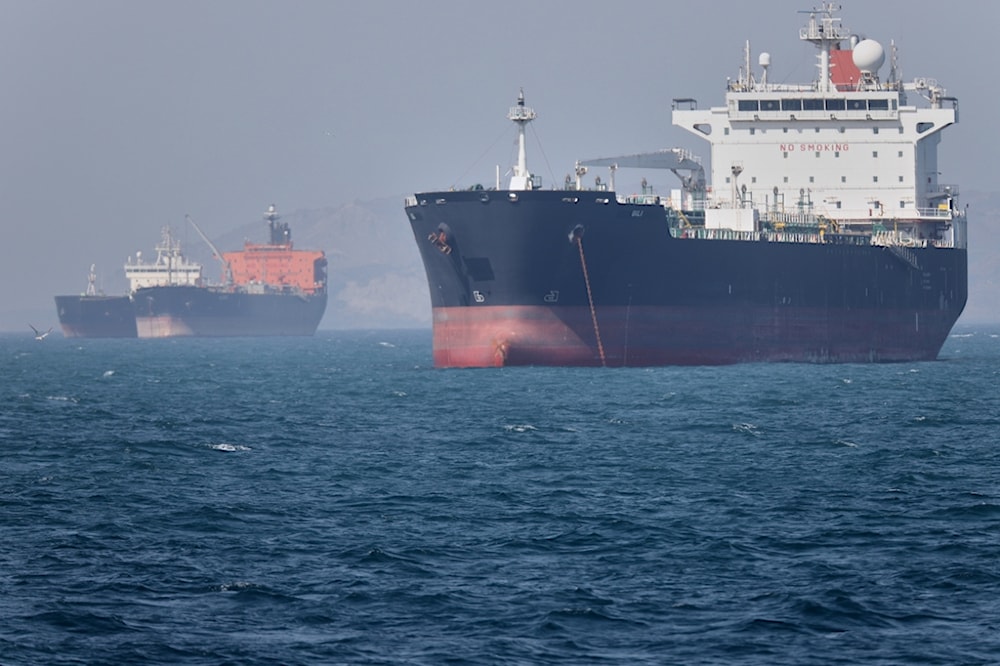
Oil tankers sit at anchor offshore in the Strait of Hormuz off Bandar Abbas, Iran, Saturday, May 2, 2026. (Amirhosein Khorgooi/ISNA via AP)
A fifth Qatari liquefied natural gas (LNG) tanker has crossed the Strait of Hormuz carrying cargo, tracking data shows, bringing the total number of loaded LNG vessels that have exited the waterway since the start of the war to nine ships despite the US naval blockade.
According to Kpler and London Stock Exchange Group data, the QatarEnergy-operated tanker departed the Qatari coast between June 4 and June 5, before reappearing in ship-tracking data on Monday, which confirmed its presence east of the Strait en route to China, after having loaded its cargo from Qatar’s Ras Laffan terminal on June 1.
Separately, the analytics company Vortexa reported that an LNG tanker had managed to re-enter the waterway after delivering a shipment to India.
The Al Hamra tanker, operated by the Abu Dhabi National Oil Company (ADNOC), had previously transited the strait to load cargo from the UAE’s Das Island during the period between April 19 and May 23.
Vortexa noted in a late Monday memo that satellite imagery confirmed the presence of Al Hamra near the Das Island terminal late last week after it passed through the narrow waterway. It added that the vessel was last detected on the Automatic Identification System (AIS) on May 30 before it stopped transmitting its location signals during the reload operation, marking its second transit since April.
Tens of vessels transit Hormuz under Iranian supervision
Since Iran announced its full control over the Strait of Hormuz, the Islamic Revolution Guard Corps (IRGC) has overseen the transit of tens of vessels under the supervision and protection of Iranian naval units.
According to the IRGC, vessels operating in the Gulf and the Strait of Hormuz are required to comply with navigation procedures established for the region. The force warned that any cooperation with hostile powers from outside the region would be viewed as a threat and dealt with accordingly.
In a related context, Iran's ambassador to Russia, Kazem Jalali, said last week that Iranian and Omani authorities are working on a new framework to govern passage through the Strait of Hormuz.
"This strait will be opened, but under new conditions. And these new conditions will be determined by the Iranian and Omani authorities... These are the issues currently being discussed. We'll see and understand in the future what happens with this strait's fate," he said.


