
German public confidence in gov't drops to new low, INSA survey shows
 2 Min Read
A new INSA survey shows German public confidence in both the government and Chancellor Friedrich Merz has plunged to record lows amid economic strain, political instability, and growing frustration over Berlin's perceived lack of direction.
-
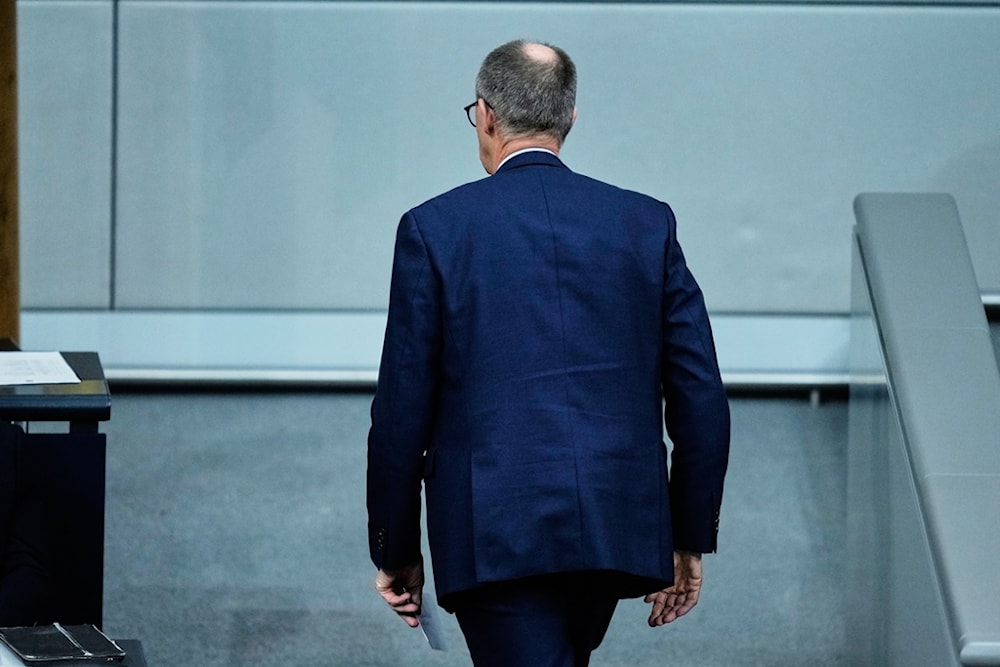
German Chancellor Friedrich Merzl attends a meeting about a pension package in the German Parliament in Berlin, Germany, Friday, Dec.5, 2025. (AP Photo/Ebrahim Noroozi)
A new INSA poll conducted for Bild indicates that public trust in Germany's leadership has collapsed to unprecedented levels, reflecting a deeper climate of economic anxiety, political fragmentation, and frustration with the direction of the country.
According to the survey, 70% of respondents expressed dissatisfaction with the government's work, the highest level of disapproval recorded in this polling series. With only 21% reporting satisfaction, the figures mark what INSA describes as an absolute low point.
Fractured Confidence
The findings come amid persistent concerns over rising living costs, stagnating growth, and fears that Germany is losing its status as Europe's economic anchor. Many households continue to feel the strain of the post-pandemic inflation shock, while industries warn of high energy prices, slow investment, and the pressures created by the accelerated green transition.
Political turbulence has reinforced this mood. Years of coalition infighting, contentious debates over migration, and the rapid ascent of the right-wing AfD have fed a perception that Berlin is struggling to govern effectively. The sense of instability that followed the end of the Merkel era has not faded, and the public continues to register deep frustration with what many see as drift at the top of government.
Sinking Ratings
Chancellor Friedrich Merz has also seen his approval worsen. The INSA results show that 68% of those surveyed have a negative assessment of his performance, an increase of four points from late November. Meanwhile, positive views of the chancellor have slipped to 23%, down two points from the previous poll.
Analysts note that Merz has faced criticism for focusing heavily on migration policy while failing to convince voters that his government has a clear plan to revive the economy or ease pressure on households, leaving both his leadership and the wider political system more vulnerable to protest sentiment.
The poll was carried out between December 4 and 5, with responses from 1,005 residents across Germany.
Read more: 'War is not a future prospect': Students reject German military bill


