
Germany denies report on plan to buy additional US F-35 fighters
 3 Min Read
Germany has denied reports that it plans to expand its F-35 fleet, even as uncertainty surrounding the FCAS program fuels speculation about Berlin’s long-term fighter jet strategy and defense autonomy.
-
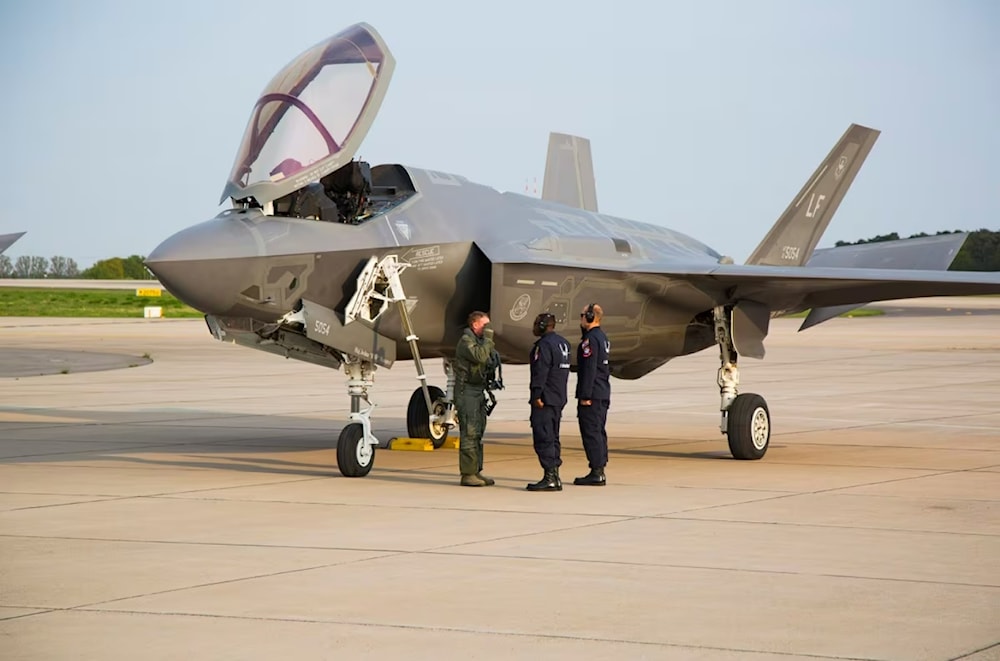
An F-35 lands in Germany for this year's Berlin Air Show. (Lockheed Martin)
Germany has moved to quash speculation that it is preparing to expand its fleet of US-built F-35 fighter jets, rejecting reports that Berlin is in discussions to acquire aircraft beyond the 35 already on order.
In an emailed statement on Friday, the German Defense Ministry said, “There are currently no concrete plans to buy more F-35s and no political decisions have been taken.” The ministry added that it would only comment on possible procurement projects once they have been approved by parliament, underscoring that no formal decision-making process is underway.
The clarification follows a Reuters report suggesting that Germany was weighing additional purchases from Lockheed Martin, manufacturer of the F-35 Lightning II. Berlin originally ordered 35 F-35s in 2022 as part of a broader military modernization effort and to replace its aging Tornado aircraft fleet. Deliveries are expected to begin in 2026, making the platform central to Germany’s future airpower structure.
According to the report, the renewed interest in the US-made jet is linked to mounting uncertainty surrounding the Future Combat Air System (FCAS), the ambitious next-generation fighter program jointly pursued by Germany, France, and Spain. FCAS, intended to deliver a new combat aircraft system around 2040, has been hampered by repeated industrial disagreements, disputes over workshare and leadership roles, and diverging national requirements. French and German priorities have not always aligned, complicating the political and technical roadmap of the project.
Strategic dependency
Airbus has even floated alternative structures for the program, including a potential split arrangement, reflecting the strain within the partnership. If FCAS were delayed further or restructured, Germany could face a capability gap as its Tornado fleet retires, placing greater pressure on the F-35 as an immediately available solution.
Expanding the F-35 order, however, would not be a purely technical decision. Additional US aircraft would deepen Germany’s integration into the American defense ecosystem, increasing reliance on US technology, logistics, training systems, and sustainment frameworks. This comes at a time when policymakers in Berlin are scrutinizing strategic dependencies, particularly in critical sectors such as defense, where reliance on both the United States and China has become politically sensitive.
At the same time, further F-35 acquisitions could strain relations with France, which views FCAS as a cornerstone of European strategic autonomy and its own defense-industrial ambitions. Any signal that Berlin is hedging its bets with Washington could be interpreted in Paris as a weakening of commitment to Europe’s flagship fighter program.
For now, German officials are seeking to dampen expectations, emphasizing that parliamentary approval is required before any procurement move is confirmed. Whether the issue resurfaces will likely depend on the trajectory of FCAS negotiations and Germany’s broader assessment of its future air combat requirements in an increasingly volatile security environment.
Read more: Merz raises European nuclear deterrent at Munich Security Conference


